
Paint on a canvas has a surface and a physical scale that a thumbnail only partly conveys; an exhibition lets a prospective buyer spend time with the actual work. For the artist, that meeting opens a commercial conversation tied to a particular object. Art exhibitions in Dubai connect this viewing opportunity with professional work behind the display. To assess a purchase, a collector needs accurate information concerning the offered work.
Within Someone’s Entertainment Group, Someone’s Gallery connects art with collector inquiries, alongside the group’s venue businesses. SEG’s corporate office directs the portfolio; specialist companies handle the relevant services. Exhibition proposals need an artistic purpose and a commercial arrangement appropriate to the works offered.
Let the Work Lead the Conversation
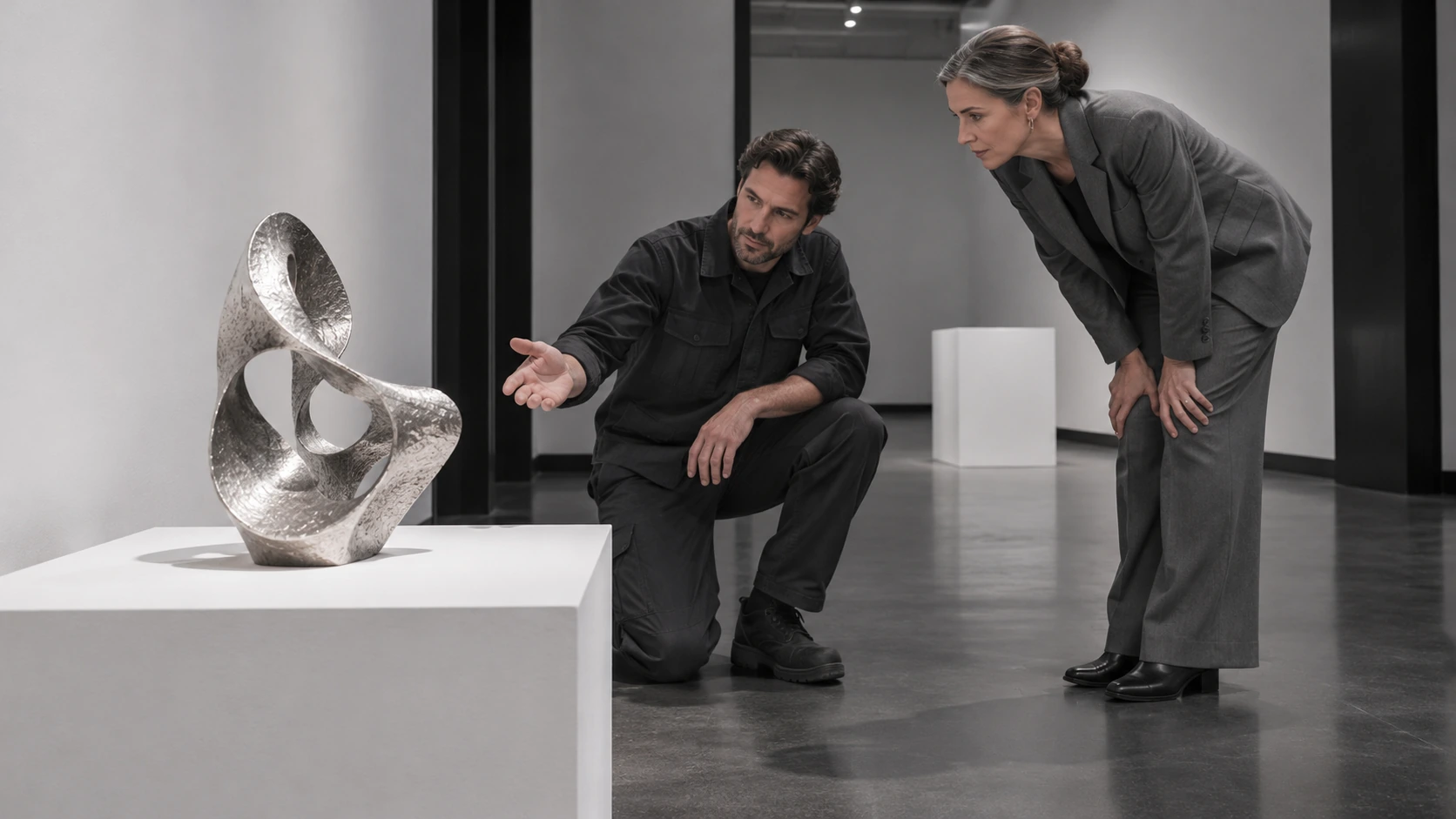
Someone’s Gallery’s public website describes exhibitions alongside private hospitality, with collector access connected to artwork acquisition. Its stated model places art in a setting where guests have time for conversation. For a prospective exhibition, the useful question concerns how the proposed encounter helps visitors understand the artist’s work. Current appointments and available pieces require confirmation with the Gallery team.
Visitors examining a painting may want to understand how its surface was made or why a particular image recurs in the artist’s practice. Use the artist’s approved explanation as the starting point for that discussion. Photographs help someone recall a work after a visit, especially when the image includes sufficient detail to distinguish similar pieces. Confirm the photograph’s intended use with the appropriate rights holder during exhibition preparation.
Prepare an Artwork Record Worth Keeping
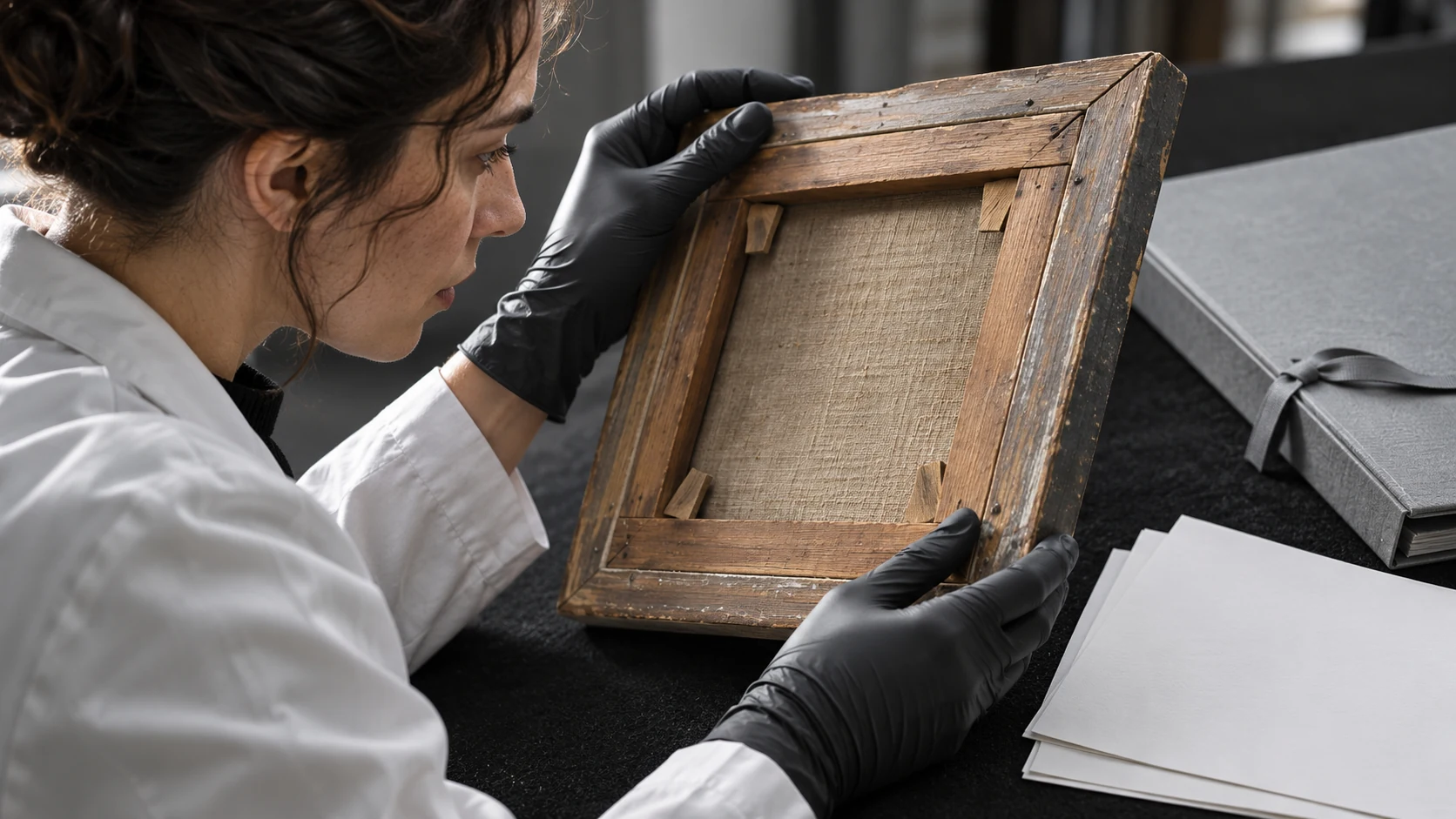
Collectors considering a purchase need information tied to the exact object; the record starts with its title and the artist’s identity. Record its materials alongside the creation date. Dimensions need units and a statement identifying whether the measurement includes the frame. For an edition, the accompanying information needs to identify the particular impression and its declared edition context.
ICOM’s Object ID documentation guidance includes photographs alongside descriptive information for identifying cultural objects, with a short written description included in the procedure. Alongside measurements and materials, the record includes the maker and production date. Exhibition teams have a basis for an object record in those categories. Keep the artist’s supplied information distinguishable from details awaiting verification, particularly where older work arrives with incomplete records.
Getty’s documentation guidance treats provenance as the object’s ownership history and the means through which it changed hands. For a collector, the relevant question concerns the evidence supporting that history. Earlier invoices or exhibition records may help establish a documented sequence. Where evidence leaves a gap, the seller needs to describe the gap in the information supplied for the transaction.
Make Presentation Decisions Around the Actual Object
SEG’s published Backstage description includes exhibitions and installations, with layouts assessed against the proposed program’s requirements. For projects involving private hospitality, the venue’s relationship with House offers a starting point. Artwork requirements still need to be assessed against the specific proposed space. Confirm a particular installation’s suitability with the operator and the appointed specialists.
For framed work, the proposed display has to accommodate the object’s weight and the approved attachment method. Its placement and illumination need to follow the conservator’s advice where specialist assessment is required. The Canadian Conservation Institute’s condition-report guidance describes examination records that document a painting’s physical state at a particular time. For exhibition preparation, professionals use those records to assess display readiness and identify handling requirements.
For a temporary exhibition, responsibility for receiving the works needs to be agreed with the team arranging transport. The handover record connects the delivered object with its condition information. If installation takes place outside guest hours, access arrangements must allow the appointed handlers to complete the agreed work. Collection after the exhibition deserves the same attention in the venue proposal.
Agree How the Artist Will Be Paid
Artists assessing an exhibition invitation need to understand which services the proposed gallery arrangement covers and how any artwork sale will be handled. Discuss the offered price and the amount payable to the artist. Any proposed reduction deserves an agreed approval process, particularly when a buyer asks for a discount during a viewing. Record the payment timing in the commercial agreement.
For a project involving consigned work, the agreement needs to specify who holds the object during the exhibition and when it is returned to the artist. Transport costs require an allocated payer, alongside responsibility for the agreed insurance arrangements. Ask the appointed advisers to review legal terms for the actual transaction. Gallery-specific commissions and payment practices require a current offer from the relevant company.
Answer the Collector’s Purchase Questions
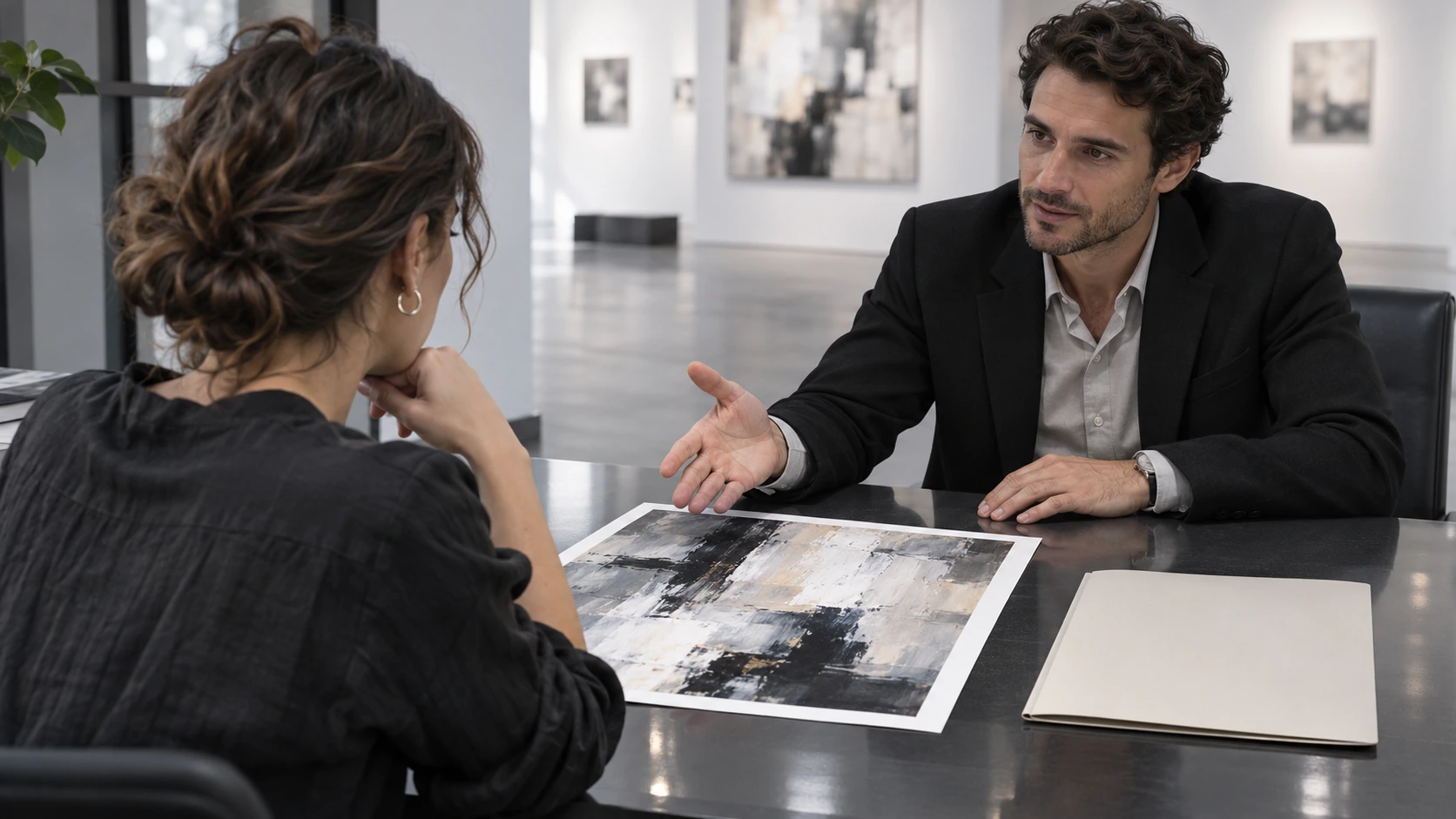
Someone interested in acquiring an exhibited work may need time to compare its dimensions with the intended display position at home. Provide a written offer identifying the object and the proposed price. State what the offer includes, particularly where framing or delivery creates an additional cost. Any temporary reservation needs an agreed expiry and release arrangement.
For a buyer planning to reproduce an artwork in a publication, image permission becomes part of the discussion with the appropriate rights holder. WIPO identifies paintings and sculpture among the artistic works commonly protected by copyright. Ask for the intended image use to be reviewed alongside any requested permission. Specialist advice remains appropriate for a proposed commercial reproduction or a cross-border transaction.
Continue the Relationship After the Viewing
Once a collector has selected a work, the gallery’s follow-up needs to preserve the agreed object details and the delivery arrangements. Arrange for a specialist handler to assess the receiving location against the artwork’s requirements. Documentation accompanying the work should match the completed transaction, with the artist’s care guidance included where available.
For an exhibition within SEG’s portfolio, send Someone’s Gallery a proposal describing the work and the intended collector conversation. Venue inquiries involving House or Backstage follow the House contact route, where the operator can assess the proposed display. Corporate partnerships belong with SEG’s corporate office.