
A culture's survival is unlikely to depend solely on inspiration.
It needs to be structured, continuous, and economically sound.
That's the exact viewpoint Asil Ersoydan uses for creative industries.
His work across events, media production, technology, and investment rests on a single observation: artistic output gains longevity only when supported by clear operational systems and disciplined capital logic. This approach is further reflected in ventures such as AES Future Technologies, where structured innovation and long-term thinking are applied across evolving creative and technological ecosystems.
Culture as an Economic System
The public often engages with creative work through emotional connection and public display. Financial outcomes are delayed, and sometimes the delay is detrimental. Ersoydan argues for reversing that order.
Ideas require context.
Context requires organization.
An organization requires capital discipline.
He believes cultural production should be viewed within an economic system comparable to manufacturing or technological advancement. At every stage, inputs, processes, outputs, and long-term value need to be apparent. This structured approach enables creative economic innovation, where artistic output is not only expressive but also scalable and sustainable.
Fragility is eliminated from art through such contemplation. The tool lets artists, producers, and institutions plan for future releases or performances beyond the immediate cycle.
Why Fragmentation Weakens Creative Output
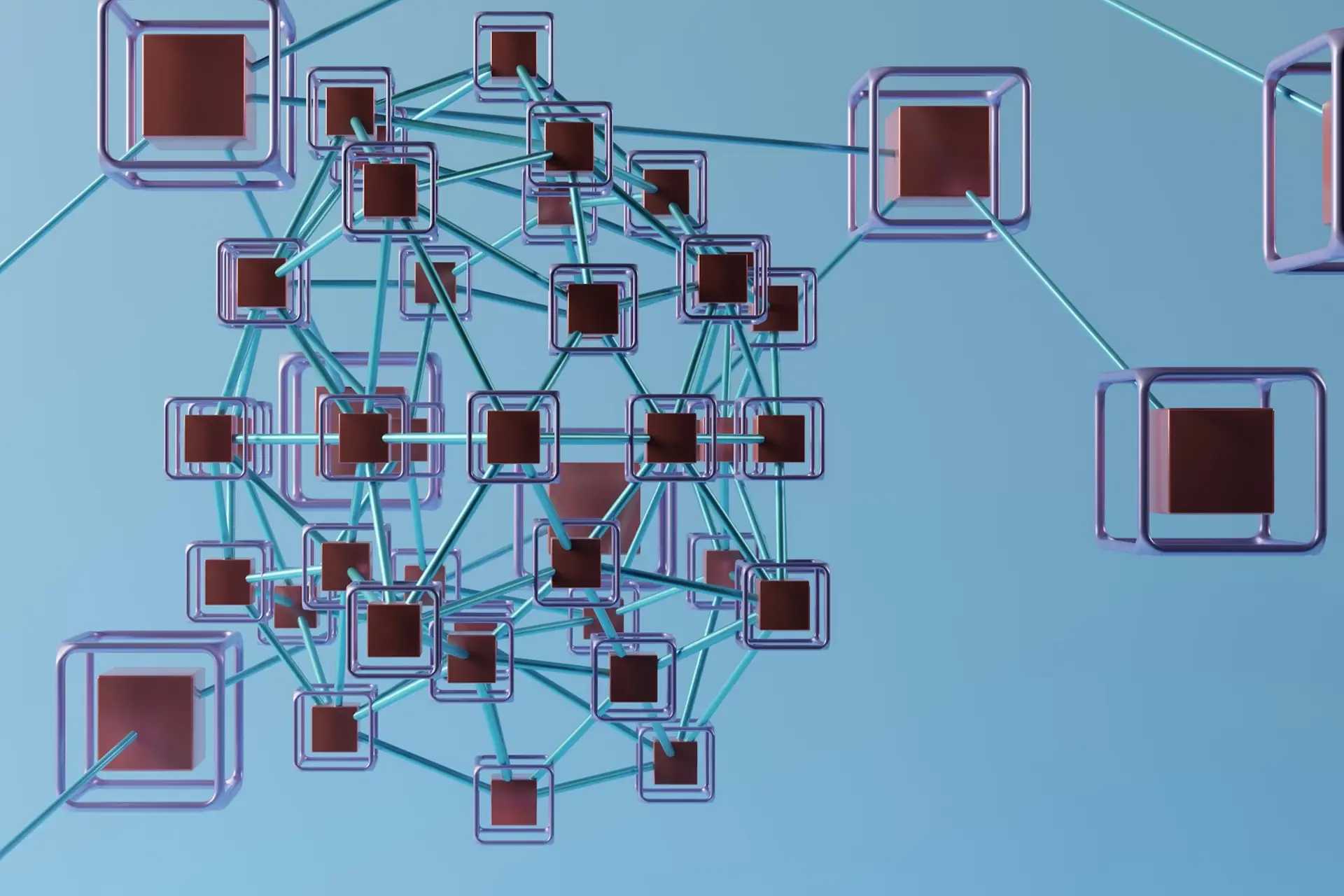
Many creative setups make use of disjointed vendors. One team handles visuals. Another writes language. A third executes distribution. Decision authority disperses.
Ersoydan sees fragmentation as the primary reason creative investments lose coherence over time.
Disconnected decisions create noise.
Noise erodes trust.
Trust erosion damages long-term value.
Creativity isn't limited by a unified direction. It helps to make it stable. Maintaining a singular voice across strategy, narrative, and execution makes the work understandable to audiences and appealing to investors.
Capital Without Cultural Literacy Fails
Financial capital often approaches culture with short-term expectations. Returns receive priority over relevance. Metrics replace meaning.
Ersoydan rejects that model.
Capital, he argues, requires cultural literacy to function inside creative fields. Without understanding context, timing, and audience behavior, financial inputs distort outputs.
Measured investment, paced growth, and long-range planning support healthier ecosystems than rapid expansion attempts.
Cultural work matures through repetition, not acceleration.
Technology as an Operational Layer
Technology enters Ersoydan’s thinking as an operational layer rather than a headline feature. Tools matter only when they support clarity and scale.
Digital systems simplify distribution.
Production platforms stabilize workflow.
Data supports decision accuracy.
Technology cannot substitute for good judgment. It backs it up.
Inside creative ecosystems, systems reduce friction. Reduced friction protects creative energy for decision-making rather than correction.
Someone’s Studio as a Media Organ
Someone's Studio fits into Ersoydan's big picture more like an internal media outlet than a hired service.
Editorial thinking lives beside visual production.
Narrative logic develops alongside design systems.
Language receives equal weight to imagery.
Events, platforms, and venues can maintain consistent communication over time with this positioning, moving beyond project-specific cycles.
Media coverage prolongs an event's relevance past its scheduled end. The preservation of cultural memory and economic value is achieved through documentation, extended writing, and recorded resources.
Events Require Media Infrastructure
When the lights dim, the events vanish. Media lasts longer.
Ersoydan places media production at the center of event economy. Documentation, editorial framing, and post-event distribution generate secondary value streams and long-term visibility.
Events supported by internal media teams gain narrative control. External interpretation decreases. Brand coherence increases.
The media does not decorate events.
Media records, explains, and positions them.
The Role of Discipline in Creative Freedom
Within artistic circles, discipline is commonly misunderstood. Rather than seeing discipline as a constraint, Ersoydan considers it an allowance.
Clear boundaries reduce uncertainty.
Reduced uncertainty allows experimentation.
Creative freedom grows when operational questions remain resolved in advance. Time shifts from problem-solving toward decision-making.
The preservation of this balance leads to consistent output throughout the years, as opposed to fleeting moments.

Building for Longevity, Not Attention
Short attention cycles dominate current markets. Ersoydan resists chasing them.
Longevity demands patience.
Patience demands structure.
Structure demands accountability.
Creative ecosystems survive when participants share responsibility for outcomes. It is important for artists, producers, and investors to align their expectations instead of pursuing their own separate goals.
Why Ecosystems Outperform Isolated Success
Momentary triumphs don't last. Systems remain.
Ersoydan builds environments where multiple disciplines coexist under one strategic roof. Events inform the media. Media informs platforms. Platforms support capital planning.
Feedback loops replace guesswork.
Such ecosystems allow recalibration without collapse. Failure remains local. Learning becomes collective.
A Long View on Cultural Investment
Cultural economies reward those willing to wait. Ersoydan’s approach favors steady accumulation of value rather than instant visibility.
Audience trust compounds.
Institutional credibility compounds.
Creative confidence compounds.
Short cycles exhaust teams. Long cycles sustain them.
Art, capital, and technology rarely conflict by nature. Conflict emerges when systems fail to connect them.
Asil Ersoydan's work presents a different approach. Treating culture as infrastructure leads to increased stability. Relevant capital is that which is informed by its surroundings. Purpose is achieved through judgment that directs technology.
Ecosystems built on these principles are resilient to volatility. Their growth is slow, methodical, and ongoing.
Patience is what makes them strong.