Introduction: Culture as Enterprise
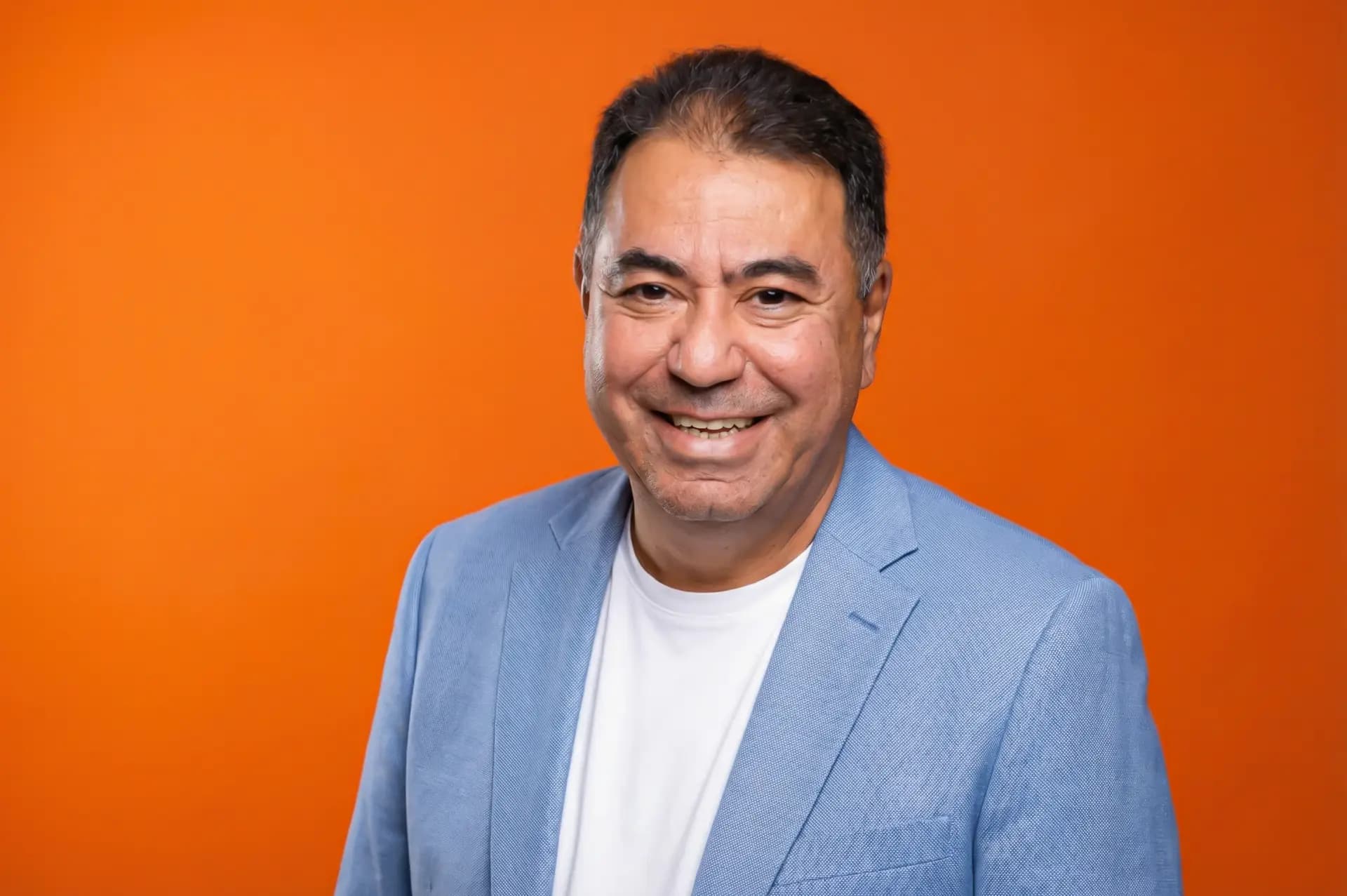
Ersoydan considers culture to be structured capital, rejecting the notion of it as soft power. He thinks that clear systems are the foundation for achieving measurable success through creative endeavors. The philosophy that shaped SEG, Someone's Entertainment Group, was exactly that. Through its network of venues, digital services, and production facilities, the group translates raw creativity into tangible economic value.
“Culture doesn’t exist in isolation,” Ersoydan stated during a recent briefing. “It depends on supply chains, workflows, data, and finance. Once you build those connections, art begins to move like industry.”
Creative Order as Economic Infrastructure
This logic is fundamentally based on structure. Ersoydan views the creative sector as a production line for ideas, experiences, and concrete outcomes. Within SEG, the divisions of House, Stage, Event, Ticket, Studio, and Yacht operate as interconnected elements of a unified structure. Artists, technicians, and planners all utilize a shared operational language that bridges performance art and capital flow.
Cultural production becomes a predictable, regularly occurring business cycle rather than an unpredictable pursuit due to such an organization. A concert becomes an indexable asset. A design project results in quantifiable digital exposure. Ersoydan's model reflects a scalable live events business model, where creative output is structured, repeatable, and aligned with measurable financial returns.
He summarized it succinctly:
“Creativity alone doesn’t scale. Structure gives it value. Once you build a repeatable model, you can finance it, insure it, and export it.”

Cultural Assets into Measurable Systems
While at AES Holdings Dubai, Ersoydan took this concept to the next level. SEG's daily operations benefited from its subsidiaries' integration of AI analytics, smart ticketing, and digital logistics, coupled with an engineering-led strategy for creative endeavors.
Culture in Ersoydan’s interpretation is therefore not a symbolic sector. The process involves measurable exchanges, from visual output and live performances to branded narratives, all yielding data that shapes future initiatives.
Someone’s Studio adds another layer. The studio defines brand identities and narratives as tangible intellectual property. “When a brand gains a tone and a visual language, it gains equity,” Ersoydan said. “Design isn’t decoration—it’s an asset.”
Cultural Production as Economic Diplomacy
The UAE is an ideal environment for this model. The D33 agenda in Dubai and Vision 2030 in Abu Dhabi are government initiatives that have established culture as a primary engine for GDP expansion. In 2025, Dubai's creative sector's economic contribution reached close to AED 22 billion, while also sustaining more than 175,000 jobs.
Ersoydan's contributions are in line with this economic forecast. SEG’s venues host international productions, while its digital arms connect regional talent with global partners strengthening the UAE live entertainment ecosystem. Through creative endeavors, culture becomes an export and a diplomatic tool.
“When a country exports ideas, not just materials, it earns influence. The value of art lies in how far it travels,” he noted.
The Market of Meaning
Ersoydan's definition of cultural value involves interaction. We can measure the success of a brand story that grabs attention, a show that keeps people watching, and a venue that becomes a destination.
Art and commerce are no longer at odds according to his framework. They meet within a framework of accountability. "An artist should be able to earn a living from their creations," he commented. The economy must be constructed with culture at its core, rather than on its periphery.
It resolves a historical conflict between expression and enterprise. Operationally, budgets are viewed as investments, not mere expenses.
Where the Future Leads
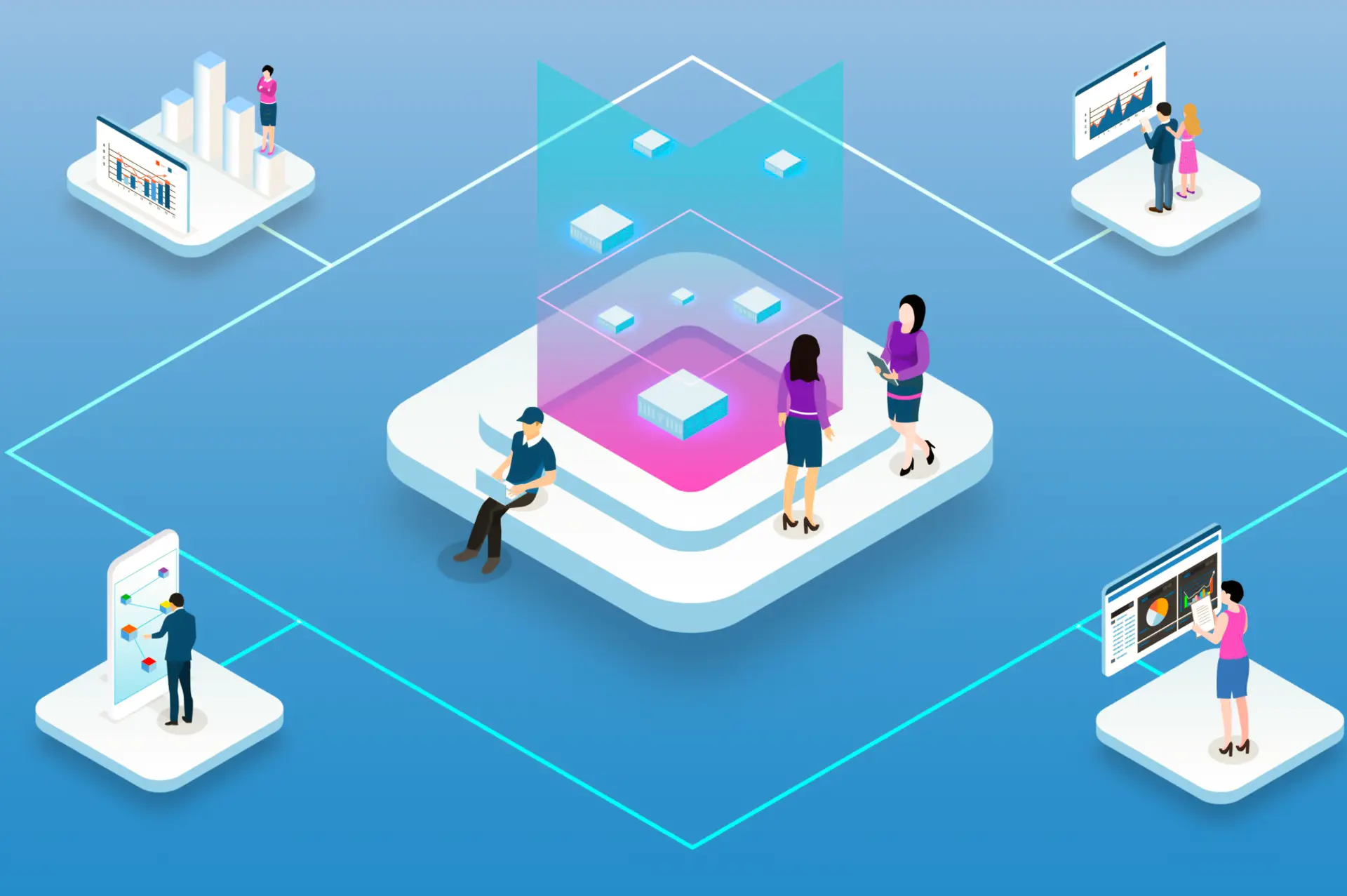
Asil Ersoydan's model indicates the future direction of the cultural economy. Data science, AI-powered curation, and unique ticketing systems are transforming the financial strategies of cultural organizations. Financial management and creative processes are increasingly merging.
According to Ersoydan, the next decade's rewards will go to those who master the interplay between aesthetic taste and structural comprehension. “Culture must stand on its own balance sheet,” he said. “Only then can creativity move from survival to strategy.”
Culture as Measured Capital
A unifying theme in Asil Ersoydan's career, from industry and tech to creative business, is that art and economics share an inherent connection when thoughtfully planned. The factory became a studio. The product became an experience. And culture became measurable wealth.
With SEG's framework, Dubai's creative industry is now regulated, financed, and capable of export. The core of Ersoydan's approach in all his businesses is that creativity, when paired with structure, converts culture into capital.