The Digital Shift in Events and Live Performances
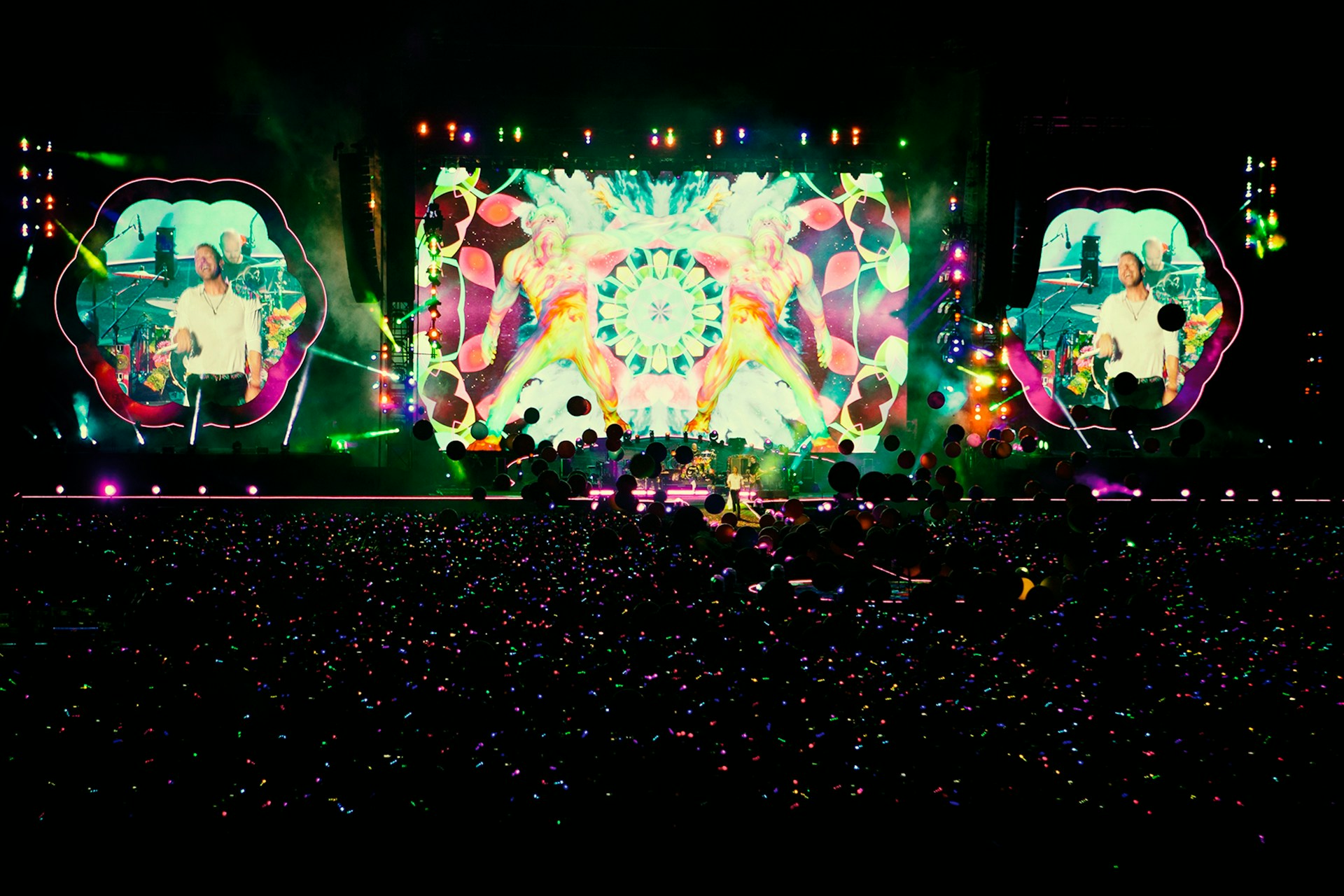
Back in the day, live events were all about the venue and the tech. Today, digital tools sit beside both and influence how guests enter, how performers appear on stage, and how producers read audience behavior during the event.
The change feels practical more than futuristic. QR access replaces paper tickets. Large LED walls replace many printed scenic elements. Real-time audience data helps producers see which sessions attract interest. Live streaming gives distant viewers access to a performance as it happens.
For SEG, digital change matters because event production now connects closely with ticketing and media. Strong live delivery increasingly needs all three to speak to one another.
What Digital Change Means for the Events Industry
Digital event change means producers can manage more parts of the event through connected software and technical systems. Registration can happen online. Guest access can use QR credentials. Production teams can track schedules through shared tools. Media crews can record and distribute content faster.
The biggest shift sits in timing.
Event teams can now respond while the event is still happening. Guest flow data can show pressure near an entrance. Registration systems can show arrival patterns. Production teams can update schedules in real time.
Live events still depend on people. Technology simply gives those people better information.
Key Technologies Changing Modern Events
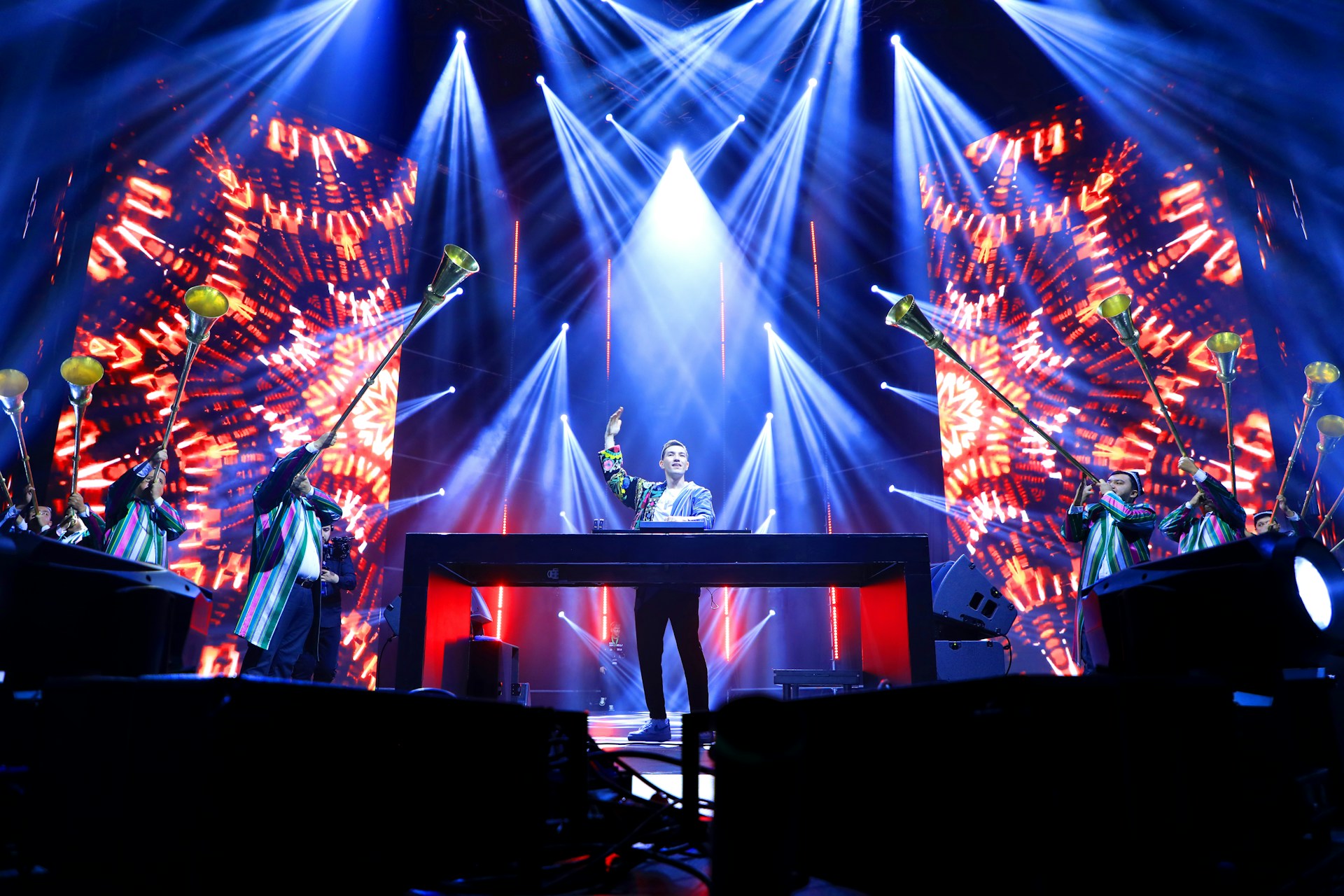
Several technologies now appear regularly in live event production. Large LED walls support dynamic visual content. Projection mapping can place moving imagery across architecture and scenic surfaces. RFID and NFC systems can support access and guest interaction.
Event apps can provide schedules and updates. Digital ticketing can reduce manual check-in. Artificial intelligence can help organizers study registration patterns and audience behavior.
The interesting part is how ordinary many of these tools now feel.
Five years ago, a QR-based entry system might have felt advanced. Today, many guests already expect it.
AR, VR, XR, and Projection Mapping in Live Events
Augmented reality can add digital elements to a physical setting. Virtual reality can place remote users inside a computer-generated environment. XR can connect physical production with digital content in a broader format.
Projection mapping gives producers another route. Buildings and scenic objects can become large visual surfaces. Product launches can use a projection to explain a new design. Cultural events can use animated material to add context to a performance.
Good use of these tools begins with purpose.
Technology earns its place when it helps the audience understand the event better or gives them a useful reason to participate.
Holograms and Digital Performers on Stage
Holographic stage production has moved from novelty toward a real production option. Producers can present remote speakers or digital performers in ways that feel closer to a live appearance.
Music and corporate events can use 3D holograms for specific segments. Museums and cultural programs can use them for historical interpretation. Brand events can use digital figures for product demonstrations.
The technology still needs strong staging and careful rehearsal.
Lighting angles matter. Screen placement matters. Audience sightlines matter. A convincing digital performer still depends on a very physical production team.
Hybrid and Virtual Events Reach Wider Audiences
Hybrid events give people a choice between physical attendance and remote viewing. That model can work well for conferences and corporate programs. Performances can use it, too, when organizers want broader geographic access.
Remote audiences need more than a camera pointed at the stage.
Good hybrid event solutions in the UAE require dedicated broadcast planning. Directors need camera positions and audio feeds. Remote viewers need clear access and stable transmission.
The event becomes two related productions: one for the venue and one for the screen.
Live Streaming and Broadcast Production
Live streaming has become part of many performance briefs because a physical audience may be only part of the total audience.
Broadcast crews can use multiple cameras and live switching to give remote viewers a stronger sense of the event. Separate audio mixes can improve speech and music for online viewers.
Media production also adds value after the event.
Recorded material can support short social clips and longer edits. Brands can use the same event to create content for later campaigns.
That extends the commercial value of one live date.
Audience Engagement Through Interactive Technology
Interactive tools give audiences a more active role.
Guests can vote during a session. Mobile apps can collect questions. RFID wristbands can trigger digital responses. Second-screen tools can give extra information during a performance.
Participation works best when it feels useful.
People rarely need another digital distraction during a live event. They respond better when the tool gives them access or a real choice.
Technology should help the audience do something they actually want to do.
Data, AI, and Personalization in Event Planning
Event data can help organizers understand attendance and interest in the content. Registration history can show which sessions draw the strongest demand. Ticket data can help estimate arrival times. Audience feedback can guide future planning.
AI adds a new dimension.
Software can group registration data and detect patterns. It can help planners forecast attendance or identify popular content categories.
Personalization can also improve communication. Guests can receive schedules based on registration choices. VIP attendees can receive separate access instructions.
The value comes from better decisions.
Smart Venues and Digital Event Operations
Smart venues use connected systems to help teams manage access and production.
Digital entry tools can support capacity management. Venue staff can see attendance data as guests arrive. Production teams can receive schedule updates through shared software.
Network quality matters more now because many event systems depend on stable connectivity.
Venue teams, therefore, need technical planning alongside physical preparation. Wi-Fi and local networks become part of the event infrastructure.
Drone Shows, LED Walls, and a New Visual Language
Drone light shows have created a new category of outdoor visual production. Large groups of programmed drones can form text and moving graphics in the sky.
LED walls have changed indoor production, too.
Designers can update content during the event. Brands can change visual material between sessions. Performers can use digital backgrounds that react to music or movement.
The main advantage is flexibility.
Physical scenic construction still has value. Digital visual systems simply give producers another option when content needs to change during the program.
Challenges When Events Become More Digital
Digital production introduces new responsibilities.
Network stability needs testing. Data privacy needs clear rules. Technical teams need backup plans. Ticketing systems need fallback procedures.
Budget also matters.
High-end digital production can become expensive quickly. Producers need to decide which technologies support the event and which add cost with little return.
Good planning keeps the technology tied to a real purpose.
Sustainability Benefits of Digital Event Tools
Digital systems can reduce the use of certain physical materials during events.
Digital signage can replace printed schedules. Mobile tickets can reduce paper use. LED scenic content can reduce the need for some short-term printed décor. Virtual attendance can reduce travel for remote participants.
Producers can also reuse digital assets across several dates.
Sustainability gains depend on the full production model, including energy use and equipment transport. Digital tools offer useful options for event teams evaluating the entire project.
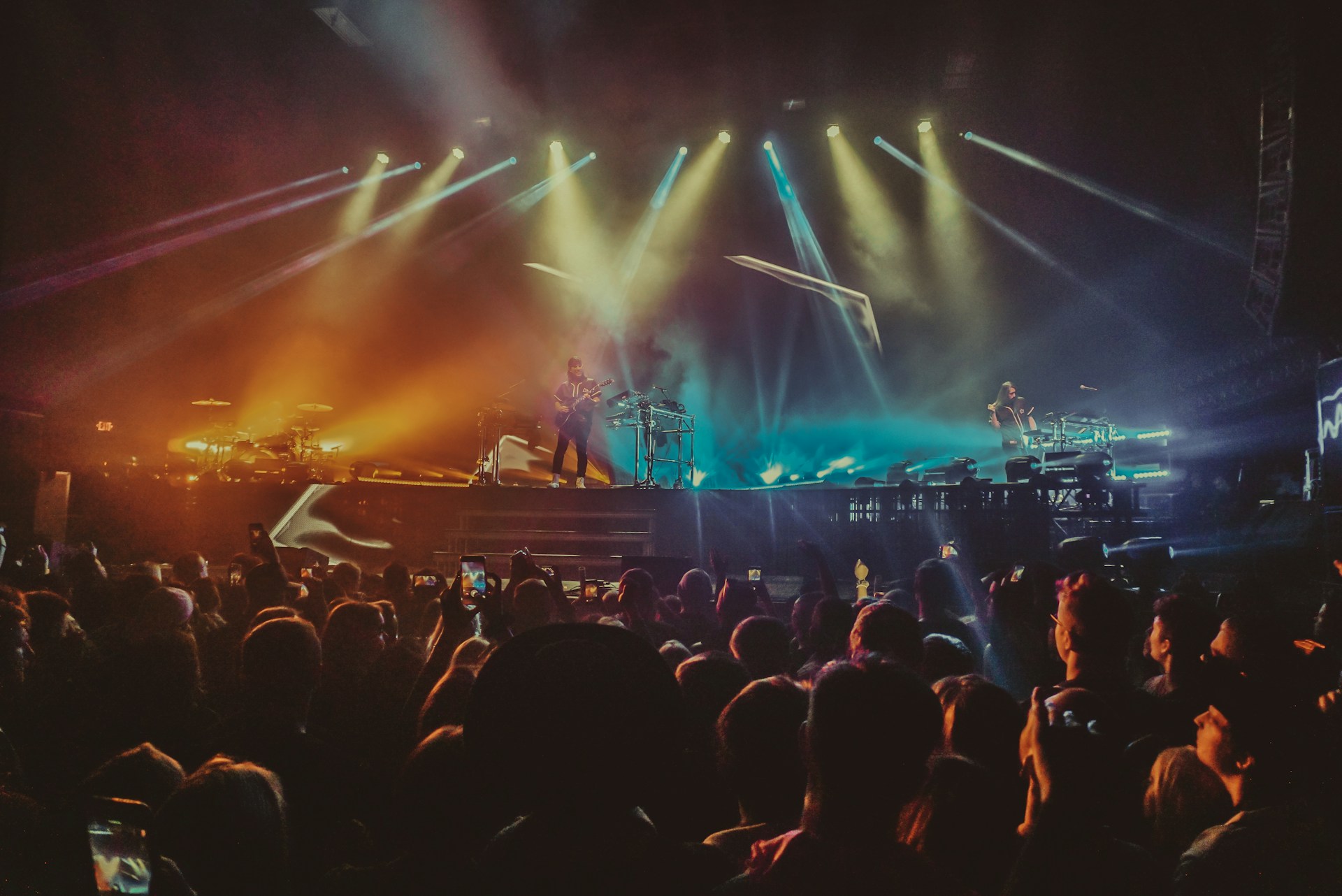
The Future of Live Entertainment and Digital Innovation
Live entertainment will continue to converge with software and data.
Ticketing will become more connected to guest management. Artificial intelligence will help organizers read audience behavior. Digital stage systems will give producers more visual options.
Physical events will remain central because people still want to meet and watch performances together.
Technology will continue to change how those moments are planned and distributed.
How SEG Delivers Digitally Enabled Events
SEG works in a position where event production and media can connect closely with digital audience access.
Someone’s Event handles live production and event operations. Someone’s Studio supports media production. Someone’s Ticket handles digital admission. Someone’s Plan adds online coordination between event owners and event service providers.
That setup gives SEG a practical base for projects that need both physical delivery and digital systems.
Modern events increasingly ask for both.
Guests still arrive through a door. Performers still walk onto a stage. Production crews still call cues.
Digital tools now help the entire event work with better information.