
Dubai's creative economy strategy places music and cultural production within the city's economic plans, with consequences for the businesses that finance and produce live programs. Public initiatives can support artistic work through commissions or access to production space. For an entertainment company, the commercial question concerns the work it can deliver, and the customer is prepared to pay for it.
The connection becomes easier to assess when a producer examines a specific program alongside the policy announcement that supports it. Rehearsal costs belong in the production budget. Ticket income requires an audience forecast tied to the proposed event. Dubai's published strategy supplies context for those decisions, while a project's contracts establish its financial responsibilities.
Read the Original Targets with Their Dates
The April 2021 strategy announcement proposed increasing the creative industries' economic contribution to 5% by 2025, compared with 2.6% at the end of 2020. Its objectives included growth in creative businesses and employment. Music appeared within the strategy's description of creative activity, alongside audiovisual production. Entertainment companies can identify music as an activity named in the city's economic strategy.
The target year requires attention when a company uses figures from different official announcements in its business planning. Dubai Media Office's May 2025 statement describes the 5% objective with a 2026 deadline. Both publications express a policy aim; an achieved percentage requires a statistical release covering the relevant period. Keep the date beside the figure so a reader can distinguish the announced objective from a recorded economic contribution.

Interpret Investment Figures at the Sector Level
Dubai's 2024 creative-sector investment figures describe a considerable range of business activity, so their meaning changes when someone applies them to live entertainment. The May 2025 announcement reports 971 projects and AED18.86 billion in capital inflows. Its classification includes software-related activity and advertising. Software companies and advertising businesses operate within the same economic classification as artistic production, with distinct customers and revenue models.
Ticket forecasts need evidence tied to the proposed audience, such as paid attendance at comparable performances within a relevant period. Buyers can examine an event's format alongside its ticket prices to judge the comparison. Published investment totals support a discussion concerning the sector's economic activity. Revenue projections for a particular show require evidence closer to the buyer's actual purchase decision.
Consider the audience research for a hypothetical new concert series whose producer plans to sell tickets to Dubai residents. Past attendance records could help estimate the likely audience when the producer has authorized access to suitable data. Interviews with potential attendees could test the proposed program. The forecast should identify which assumptions come from transaction records and which come from an audience survey.

Musical Development Requires Time and Paid Work
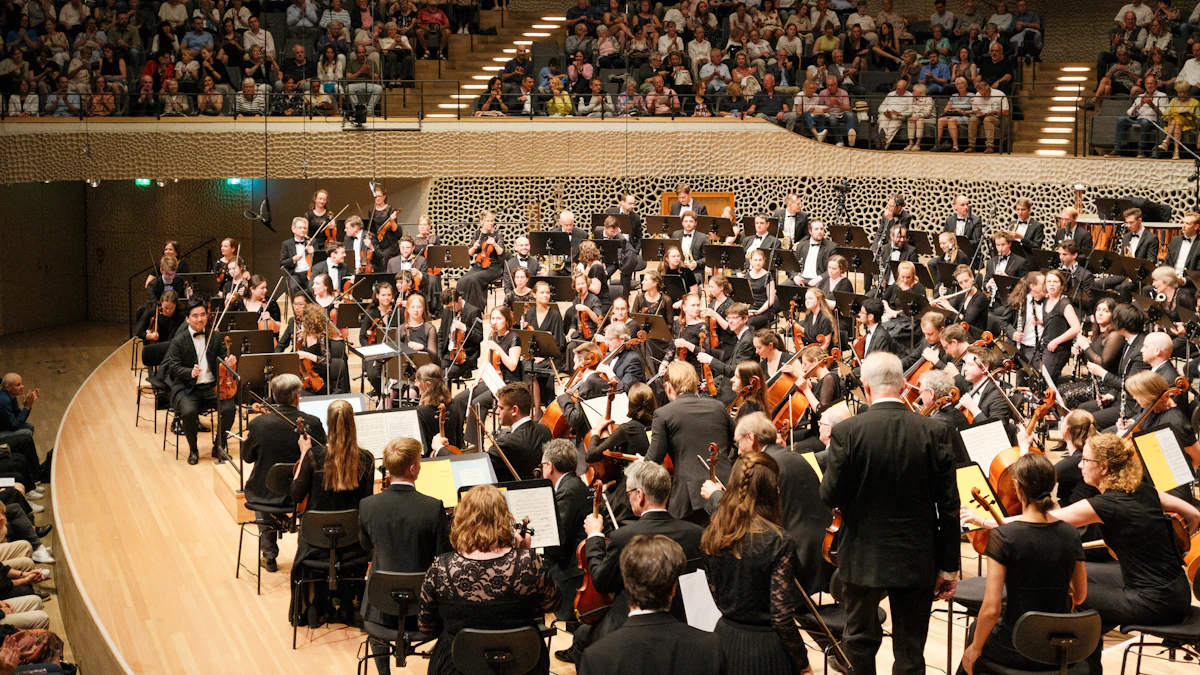
Dubai's June 2025 announcement about the orchestra describes a specific public project linked to the creative economy strategy, with Dubai Culture appointed to lead its development. The announcement includes an aim for Emirati musicians to account for 50% of its membership by 2033. It describes educational opportunities and support for local talent. Read those statements as the project's announced plans, with future delivery subject to subsequent official updates.
Live-music proposals can explain the rehearsal budget by detailing the preparation the commissioned program requires of the musicians and the technical team. Paid rehearsal time allows musicians to prepare unfamiliar material, while scheduled venue access lets the technical team prepare the performance equipment. The client can assess those costs against the proposed rehearsal schedule during a budget discussion with the producer.
Recording plans can affect the budget when a cultural institution commissions original music for a public performance. Composition requires an agreed fee and delivery date. Recording introduces a separate set of production decisions. The parties should seek qualified professional advice regarding recording rights so that the contract matches the project they have agreed to produce.
Read Support Announcements as Specific Opportunities
Dubai's April 2026 creative-sector support announcement describes assistance with production space and funding, with delivery planned in phases through participating organizations. The portfolio includes the Dubai Cultural Grant alongside a micro-grants program with Art Jameel. Its published plans describe opportunities that creative businesses can investigate through the relevant program operator. Current eligibility and application dates require confirmation for the proposed project.
Funding research can begin with a creative company's proposed assignment and the artistic work it plans to produce during the application period. The application should explain the proposed artistic work and its expected audience. Its budget should identify the paid work required for delivery. Confirmed financial support can then enter the project's budget on the terms specified by the funding organization.
Commissioning Creates a Commercial Route for Original Work
Corporate buyers and cultural institutions can commission original performance work through agreements that explain the artistic assignment alongside the production requirements. Consider a hypothetical museum planning an evening concert linked to an exhibition. The museum could appoint a composer to develop a new piece. Its production agreement could specify paid preparation time for the musicians, with payment dates tied to agreed deliverables.
Repeat commissions can support a creative company's forward planning when the client agrees to a further program and confirms its budget. The producer can then book the necessary preparation time with the artists. Reviewing audience feedback after the first concert can inform the next proposal. Commercial records should distinguish confirmed commissions from discussions that remain at the proposal stage.
Buyers can assess a production proposal by asking how the artistic brief affects the resources requested in the budget. Longer original programs may require more rehearsal time for the musicians to prepare the full performance. Filmed versions may require a separate production session. Discuss those choices while the scope remains open for agreement, so the approved price corresponds to the work the team will deliver.
Discuss a Cultural Production with SEG
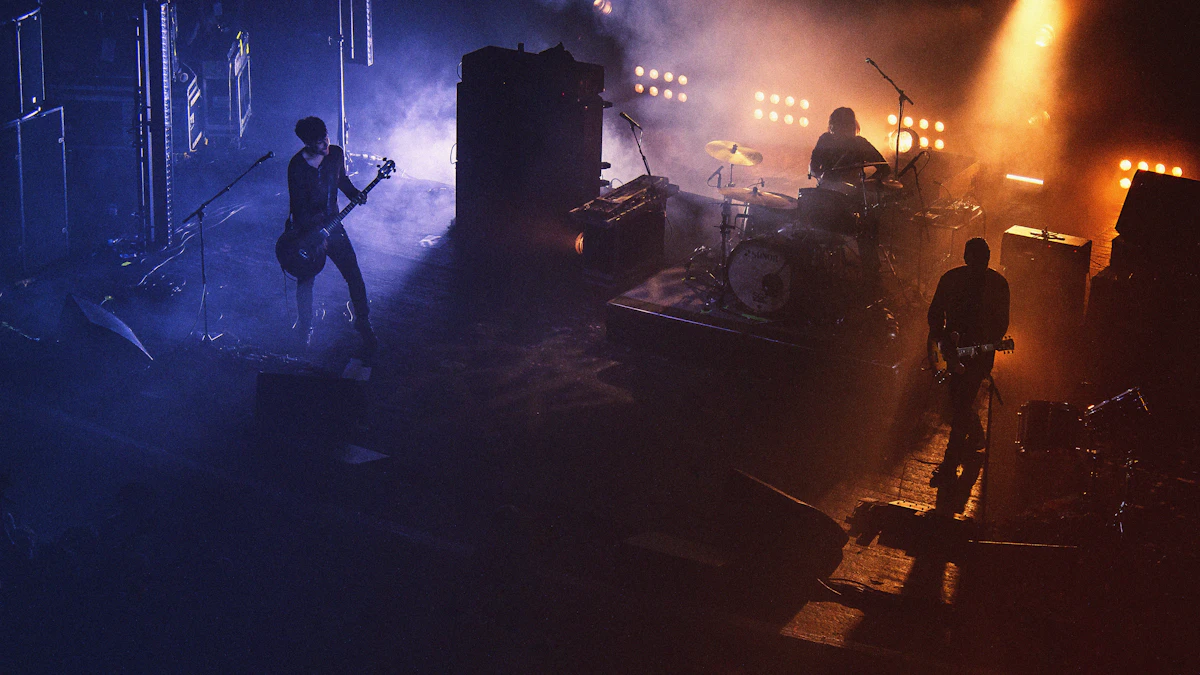
Someone's Entertainment Group's public corporate information describes business activities in event production and venue operations, with separate identities for its portfolio companies. Institutions can use that information to identify the relevant point of contact for a proposed cultural program. The initial discussion should establish the proposed audience and the performance format, so the team can assess the assignment's production requirements.
Share your proposed program and event date through SEG's contact page so the team can discuss the work your commission requires. Include the approved budget when it is available. Dubai's creative economy policy sets public objectives; the next decision for your project is the scope you are prepared to commission.