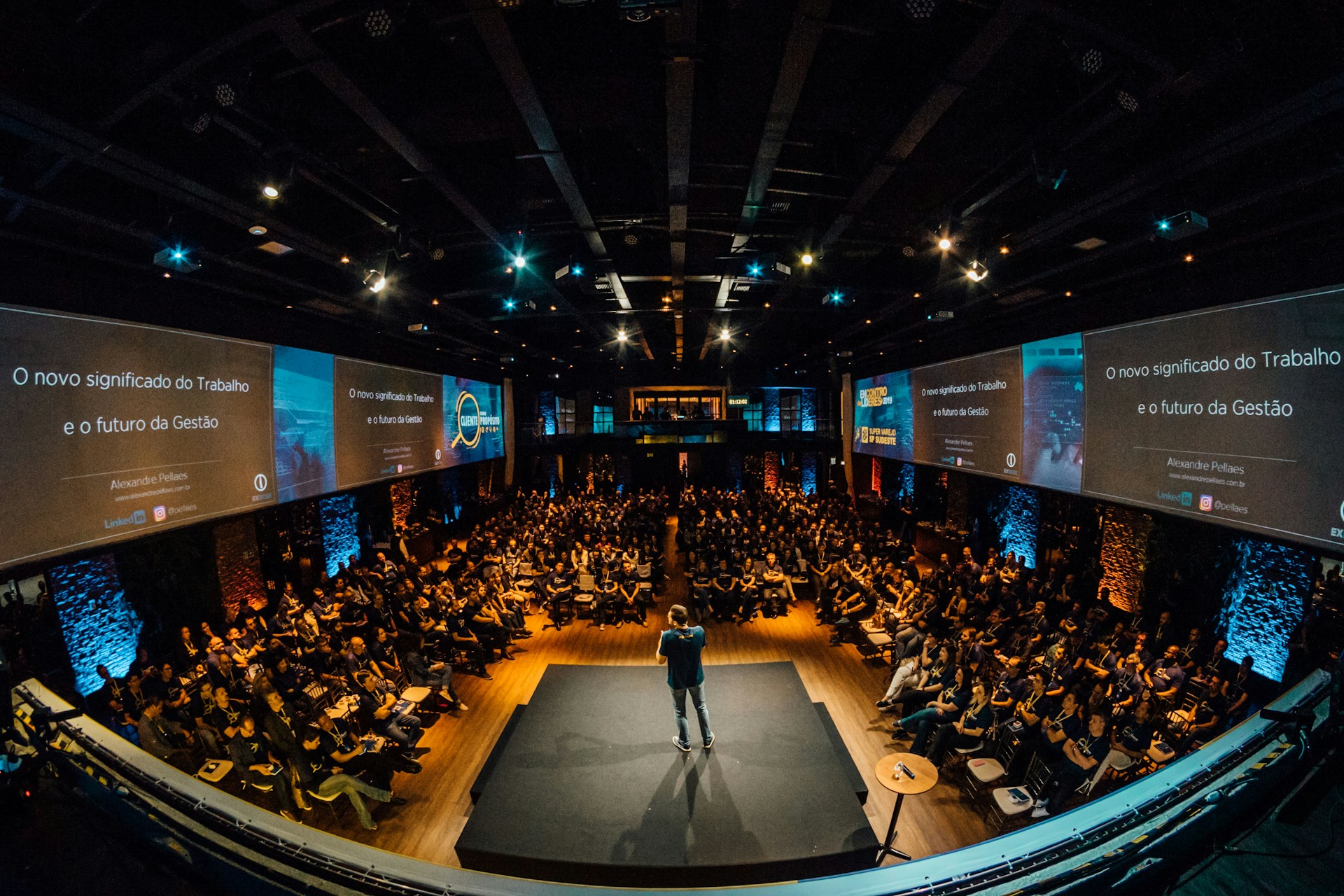
Why Fortune Level Companies Treat Events as Strategic Assets
Fortune-level firms treat events as part of enterprise operations. Leaders want events to keep their good name, help hit sales targets, and make sure stakeholders are happy. These kinds of events – like product launches, investor meetings, leadership get-togethers, or partner conferences – are almost never just a single evening thing. It's all tied into the company's larger goals.
Board members and senior executives view events as high-visibility moments. A small slip can ripple into media coverage, internal morale, and external trust. A strong delivery can tighten relationships and speed decisions. Risk management sits at the core, alongside creative direction.
2026 raises the bar. Audiences arrive informed, impatient, and quick to compare. A venue, a run of show, a guest flow plan, and a security posture all signal competence.
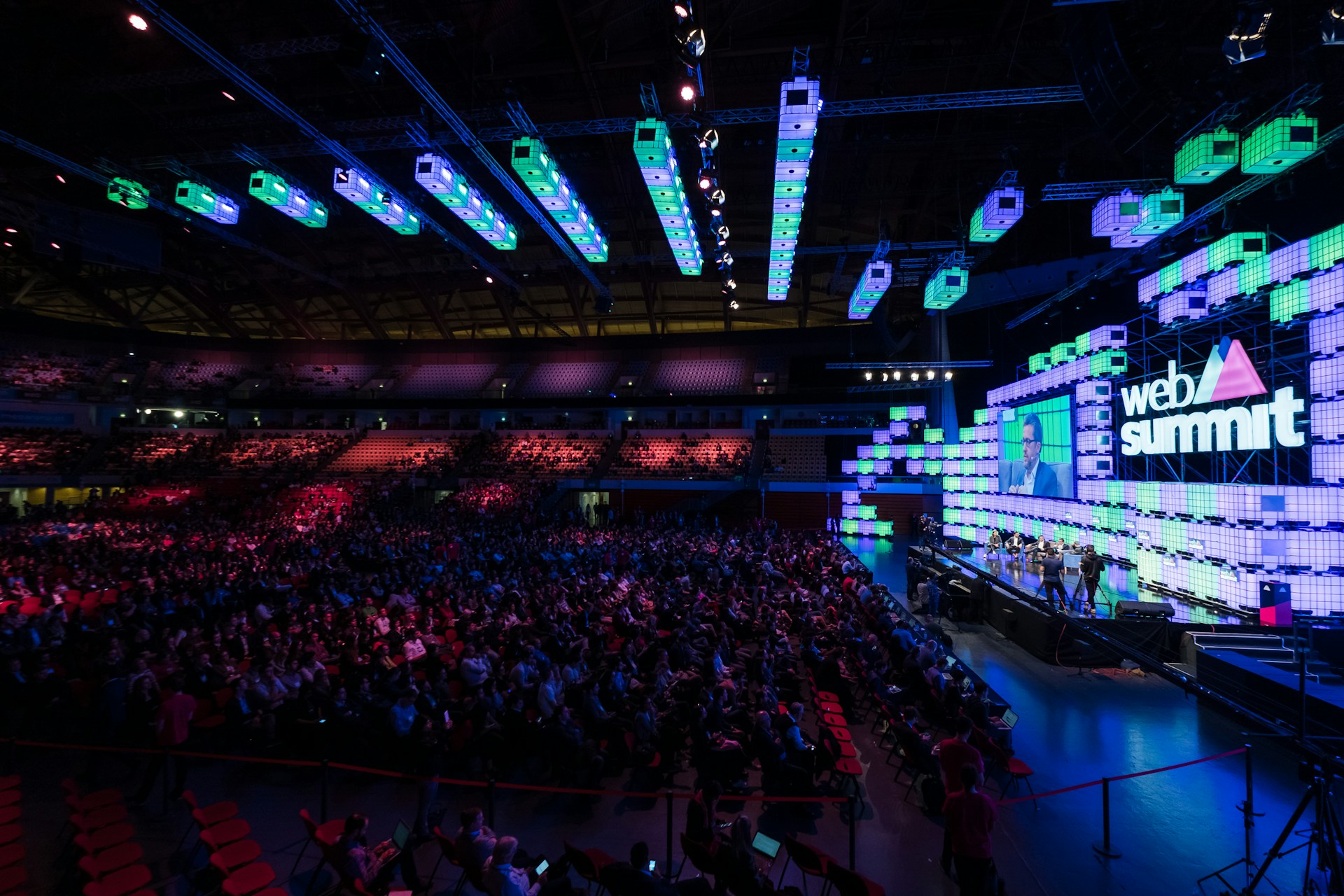
Events as Tools for Brand, Capital, and Confidence
Big events have lots of different people to consider. Investors pay attention to discipline. Reliability is important to partners. Clients watch with seriousness. Teams watch leadership.
Capital narratives live inside events. Roadmap stories. Growth signals. Governance cues. Hospitality choices. Seating logic. Speaker selection. Even how staff handle a queue communicates a message.
Confidence grows when the room feels under control. Entry runs clean. Technical cues hit on time. Speakers move without friction. Guests feel things are in order without you having to try too hard.
Difference Between Corporate Events and Enterprise Grade Events
Corporate events can succeed with solid vendors and a clear brief. Enterprise-grade events demand a stronger framework.
You need structure for serious work. Keeping track of papers. Decision rights. Approval chains. Escalation paths. Security protocols. Vendor accountability. Financial safeguards.
Scale also changes requirements. Multi-city series. Multi-day programs. Parallel sessions. VIP routing. Sensitive guest lists. Legal review. Data handling. A small team cannot patch gaps at the last hour. Systems carry the load.
Events of this caliber also hold higher stakes. A leadership summit can affect retention. An investor event can affect valuation narratives. A partner forum can alter pipeline velocity.
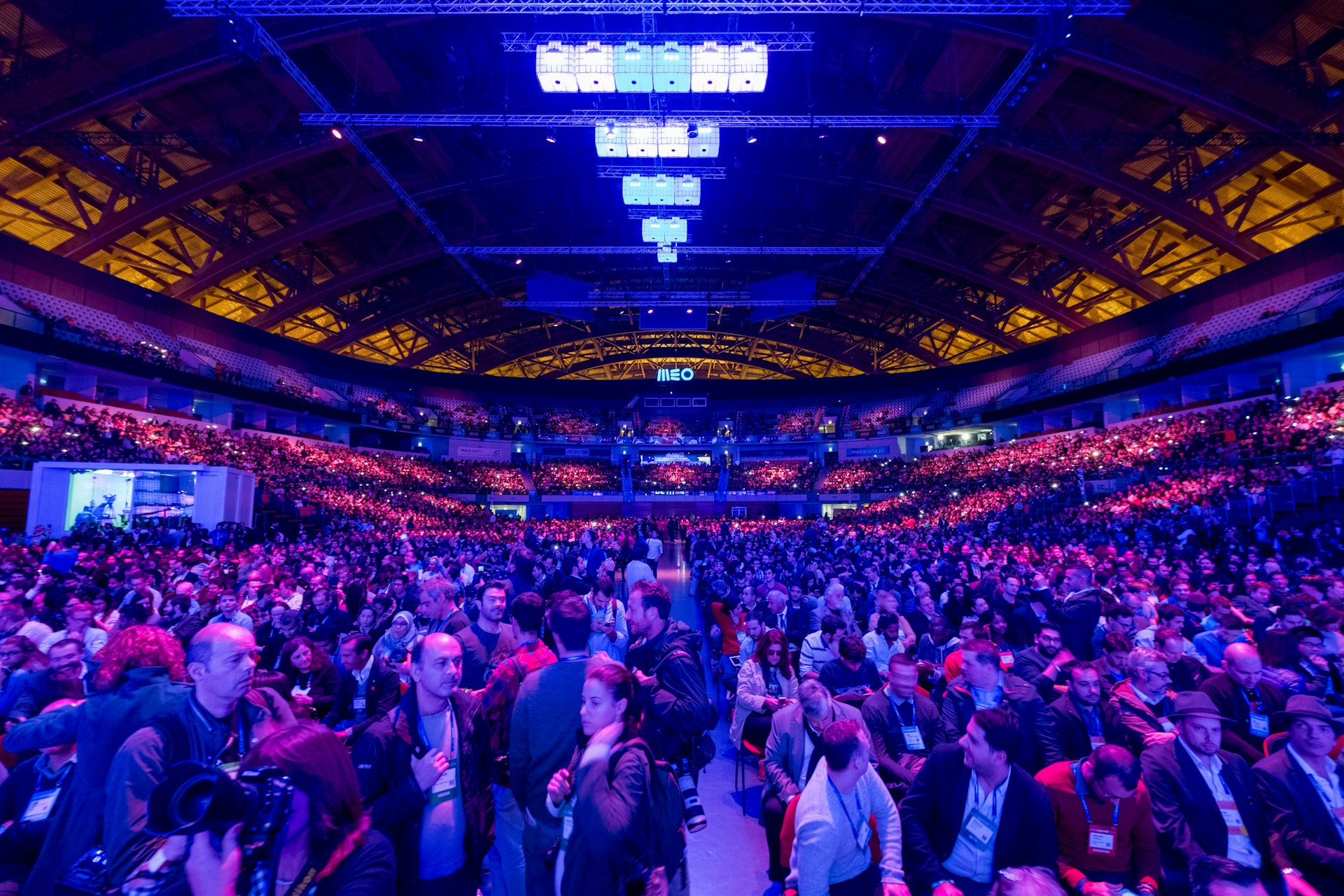
Why Execution Matters More Than Decoration
Decoration catches the eye for a moment. Execution shapes the full memory.
Teams at the enterprise level invest in operational performance: cue discipline, audio consistency, camera coverage, access management, backstage flow, transport timing, and contingency readiness. The goal stays simple. The event runs as planned, even when conditions shift.
Attendees forgive minimal décor. Guests rarely forgive delays, unclear directions, bad sound, or uneven hospitality. Such failures feel personal.
A strong event team treats details as operational facts, not aesthetics. Load-in plans. Rehearsal windows. Stage management. Credential validation. Radio
protocol. Medical cover. Fire safety compliance. All of it matters.
Entertainment as Brand Language
Entertainment at Fortune-level events works as communication, not filler. The brand's tone is shaped by music, performance, and pacing.
A leadership event uses entertainment to capture attention and maintain energy. A client gala uses it to reinforce the brand’s identity. It helps the investor program keep the room hooked without taking away from the message.
Talent selection follows brand logic. The wrong act can dilute intent. The right act can strengthen recall. Enterprise teams treat entertainment as a component of a broader narrative arc, supported by lighting, staging, and timing.
A disciplined entertainment plan also protects flow. Short sets. Clear transitions. Tight cues. No dead time.
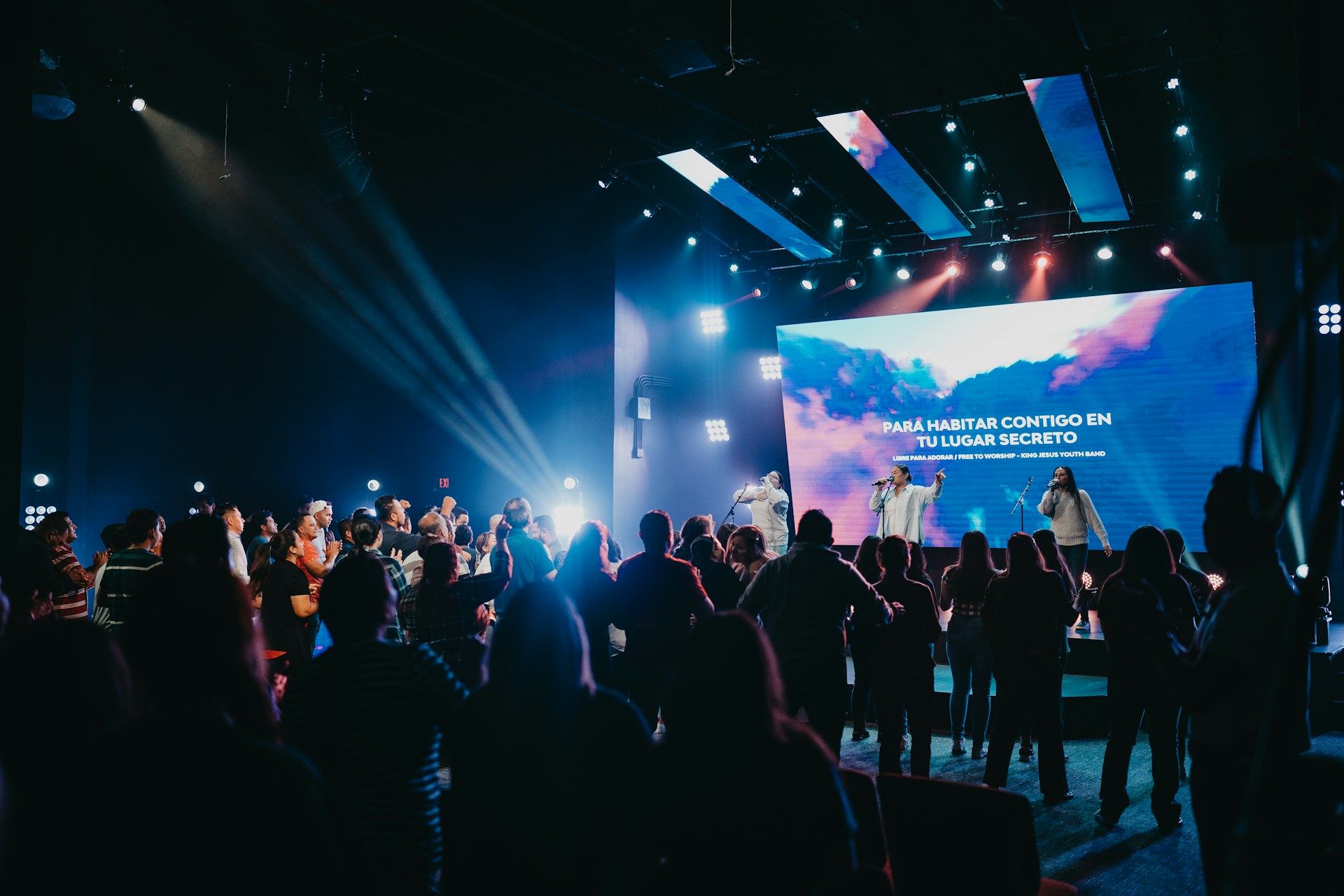
Measuring Success Beyond Applause
Applause feels good. Enterprise teams track outcomes.
Attendance quality matters more than raw headcount. Decision-maker ratio. Partner tier mix. Client segment mix. Press presence. Analyst attendance. Sales meetings booked. Follow-up velocity. Pipeline impact. Retention signals.
Operational metrics carry weight, too. Entry time per guest. Queue duration. Incident rate. Schedule variance. Technical fault count. Service speed. Complaint volume. VIP route integrity.
Feedback gathering follows a plan. Surveys, interviews, on-site observations, and post-event stakeholder calls feed a report. Leaders expect proof, not vibes.
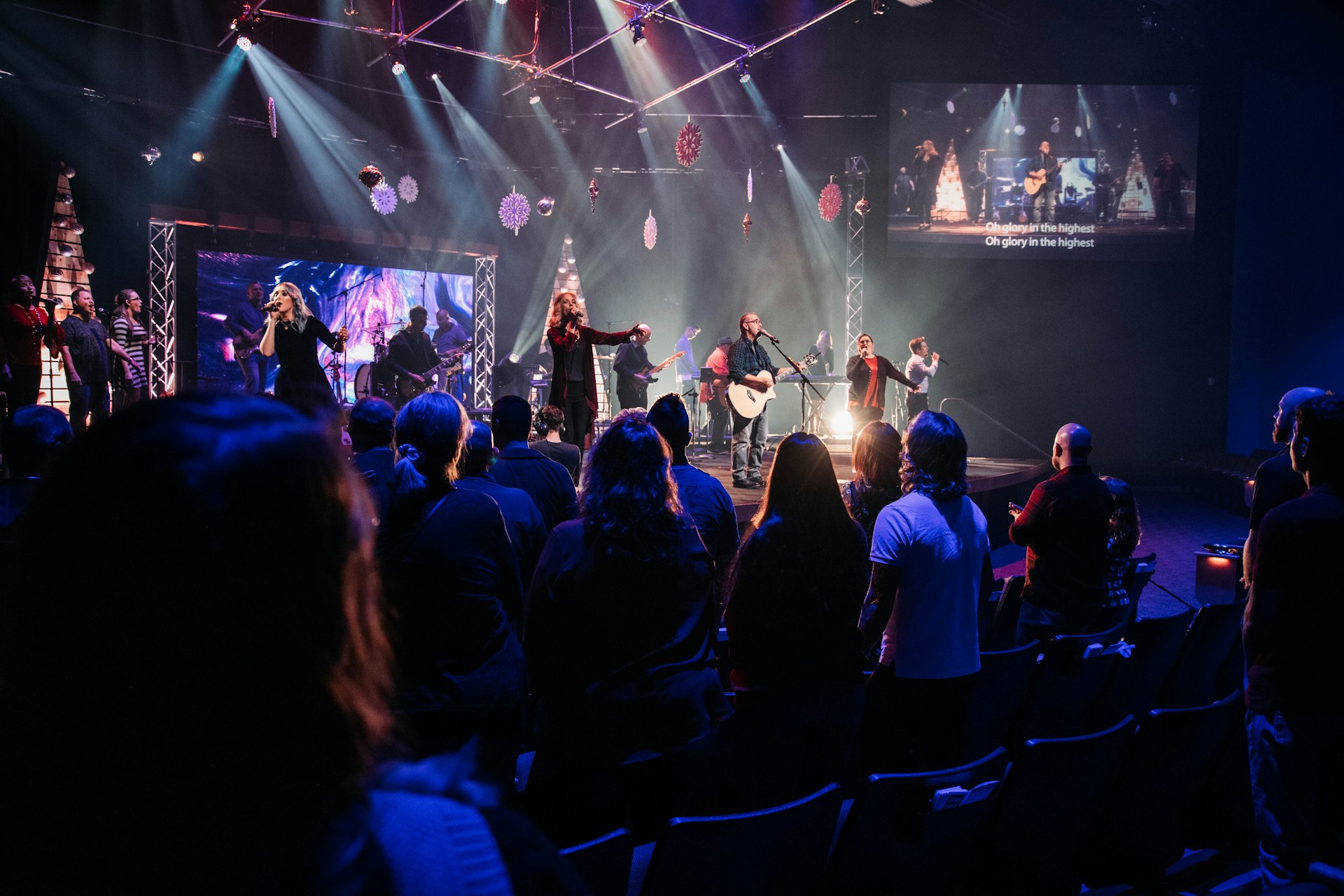
How Someone’s Entertainment Group Fits Fortune Level Event Standards
SEG handles venues, production, and entertainment, all under one banner. This model totally fits what businesses expect.
A unified operating setup reduces handoff risk. One team can own timelines, technical delivery, hospitality, entertainment, and venue readiness. Stakeholders gain a clear point of accountability. Vendor sprawl shrinks. Version drift shrinks.
The work at SEG can support enterprise-grade safeguards: guest list protection, access management, technical discipline, and structured coordination across suppliers. The goal stays consistent: predictable delivery, visible competence, and calm execution under pressure.
Clients at the Fortune level seek partners who respect governance and risk posture. SEG’s integrated approach aligns well with those requirements, especially for VIP programs, leadership events, investor relations formats, and brand moments under high scrutiny.