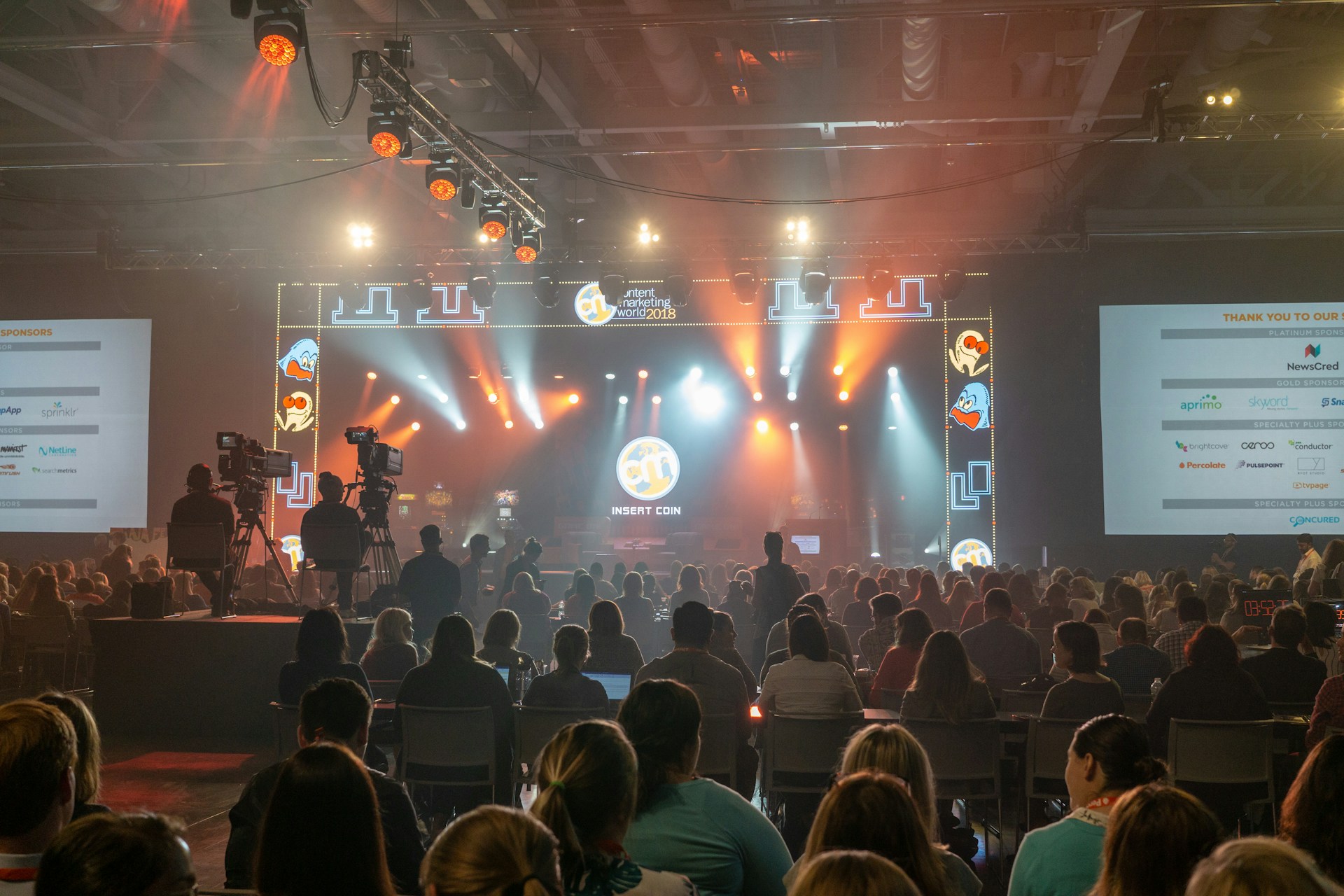
Event planning has historically been a fragmented process. Venues operate on one timeline. Talent teams move on to another. Technical crews rely on separate briefs. Vendors wait for late confirmations. Information rarely flows in one direction for long.
Problems surface early. Misread schedules cause delays. Duplicate instructions waste time. Budget tracking drifts. Responsibility feels scattered. When pressure rises, gaps widen.
Clients feel the strain. Organizers juggle calls, messages, spreadsheets, and last-minute fixes. Events still happen, yet friction steals energy. Results fall short of potential. Not due to effort. Due to the structure.
A single weak link can affect the entire chain.
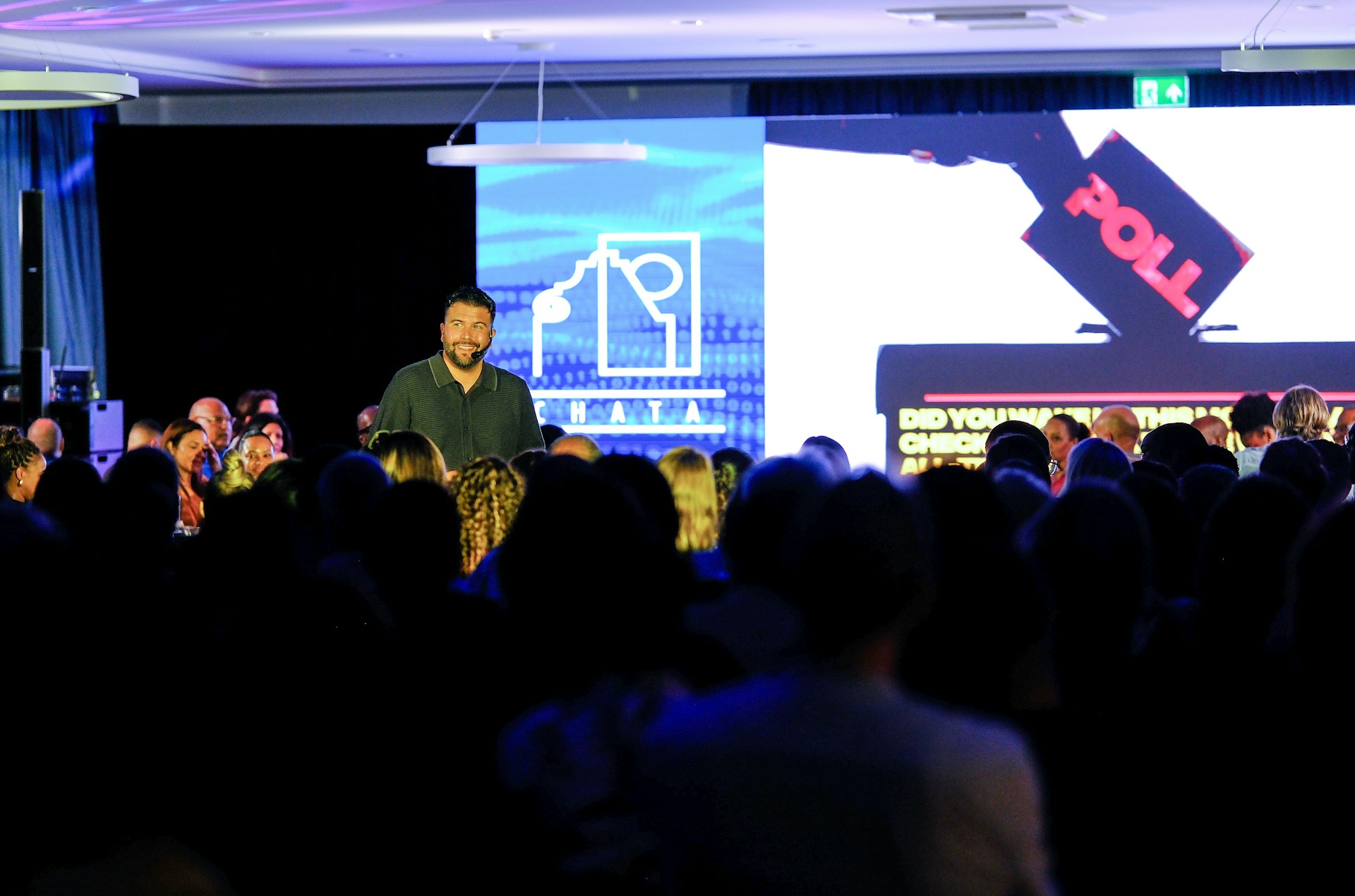
What Is an Integrated Event Model?
coordination, and execution are consolidated into a single operational system via an integrated event model. All participants operate within a shared framework. Data travels once and then remains consistent across teams.
Venues, production crews, talent managers, logistics partners, and finance teams connect through a centralized event management environment. Tasks, schedules, budgets, and approvals align under one authority.
Control shifts from reactive problem-solving to proactive orchestration. Decisions rely on shared visibility rather than assumptions. Teams respond more quickly because the information remains current.
Integration alters the fundamental nature of events.
Core Pieces of a Combined Event Plan
Several components define an integrated event model.
A centralized event management platform anchors the system. Scheduling, budgeting, vendor coordination, and communication flow through one interface.
A unified event-planning approach replaces parallel workflows. Teams share timelines rather than guarding them. Dependencies remain visible.
Multi-vendor event management operates within a single structure. Contracts, deliverables, and timelines align from the start.
An event coordination system clearly assigns ownership. Roles stay defined. Accountability stays visible.
Event infrastructure planning integrates physical space, technical systems, access control, and staffing under a single operational view.
Together, these elements form a single operational language across the entire event ecosystem.
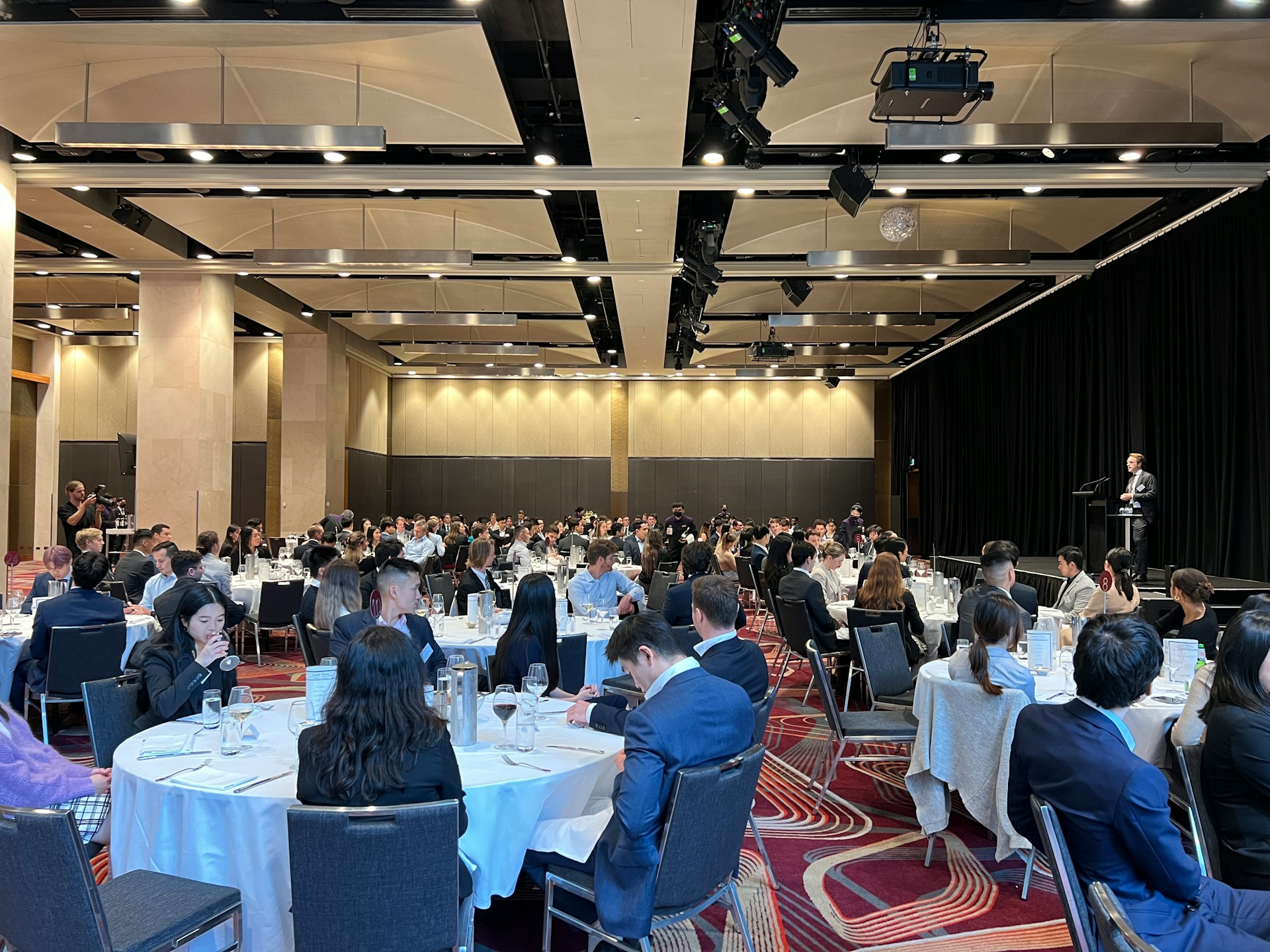
How Integration Can Lead to Greater Event Efficiency.
Efficiency is enhanced when redundancies are removed. By integrating planning, duplicated tasks, repeated approvals, and conflicting instructions are avoided.
Timelines shorten. Decisions accelerate. Resources move based on shared priorities rather than urgent messages.
A unified event workflow integration system reduces the number of handoffs. Teams move in sequence rather than overlap blindly. Dependencies remain clear.
Cost control improves as budget updates reflect real-time commitments.
Procurement decisions rely on current data rather than estimates.
Efficiency gains compound across large productions and multi-day programs. Less friction. More momentum.
The Effects of Integrated Models on Event Quality.
Event quality improves when teams share the same picture. Technical execution tightens. Transitions feel intentional. Audience flow stays coherent.
Sound, lighting, staging, and content align because teams work together to plan. Space usage supports the program rather than fights it.
Integrated models allow creative decisions to reflect operational realities early. Adjustments occur before the build-out, rather than during showtime.
Quality rises quietly. No visible chaos. No rushed fixes. The audience senses control even without knowing why.
Consistency builds trust.
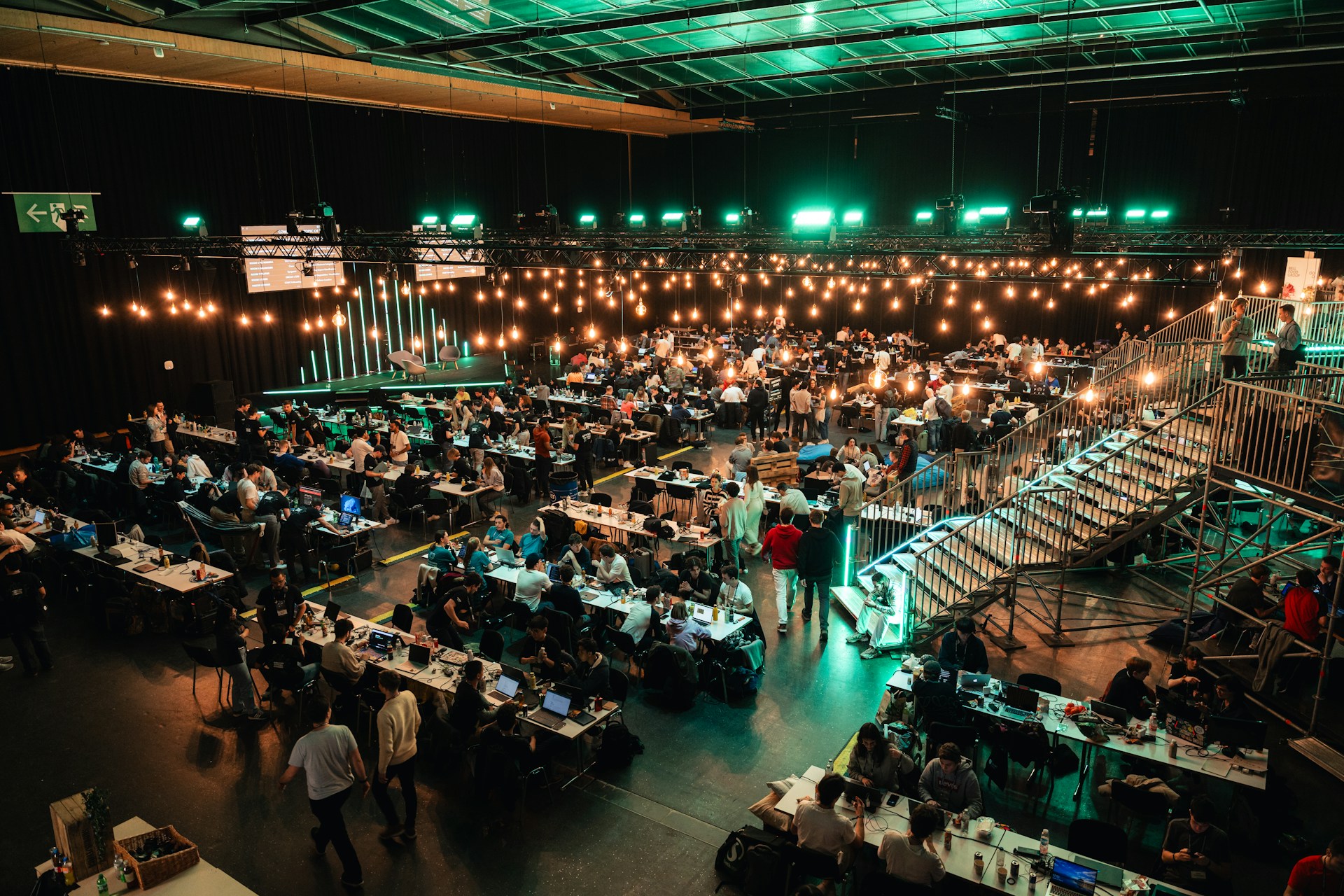
Reducing Risk and Errors Through Event Integration
Risk hides in gaps. Integration closes those gaps.
Shared systems reduce miscommunication. Version control prevents outdated plans. Approval paths remain traceable.
Event risk management improves when contingency plans link directly to operational data. Backup scenarios activate based on live inputs rather than guesswork.
Compliance checks, access control, and safety protocols align across teams. One update reaches everyone.
Errors shrink as visibility grows.
Why Integrated Event Models Deliver Better Outcomes for Clients
Clients value outcomes, not process. Integrated models deliver results through reliability.
Projects stay on schedule. Budgets remain predictable. Communication stays clear.
Clients interact with one operational authority rather than multiple disconnected vendors. Feedback loops shorten. Confidence grows.
End-to-end event management feels cohesive rather than fragmented. Decisions reflect a holistic view of goals, constraints, and audience response.
Better outcomes follow structured coordination.
Why Integration Is the New Standard in Events
Scale demands coordination. Modern events involve complex technical systems, diverse partners, and tight timelines.
Disconnected planning cannot support this complexity. Integrated models respond to scale without adding chaos.
Event ecosystem integration becomes essential rather than optional. Organizations that operate without it face rising risk, cost overruns, and quality drift.
Integration shifts from an advantage to a requirement.
Creating Spaces for Audience Engagement.
Audience response links directly to spatial logic. Integrated planning connects program flow with physical design.
Entry points align with timing. Sightlines support storytelling. Movement paths guide attention rather than distract it.
Lighting cues support emotional pacing. Sound coverage matches seating distribution. Technical systems respond to human behavior.
Design decisions feel intentional because planning connects content, space, and execution within a single framework.
Audiences feel the difference.
Integrated event models transform the way events operate, scale, and perform. Coordination replaces fragmentation. Visibility replaces assumption.
Unified event planning strengthens delivery. Centralized event management stabilizes execution. Event workflow integration builds resilience.
For organizations committed to consistent outcomes, integration offers a clear path forward. Not louder. Not flashier. Simply better organized.
Modern event management now speaks one language. Integration gives it grammar.