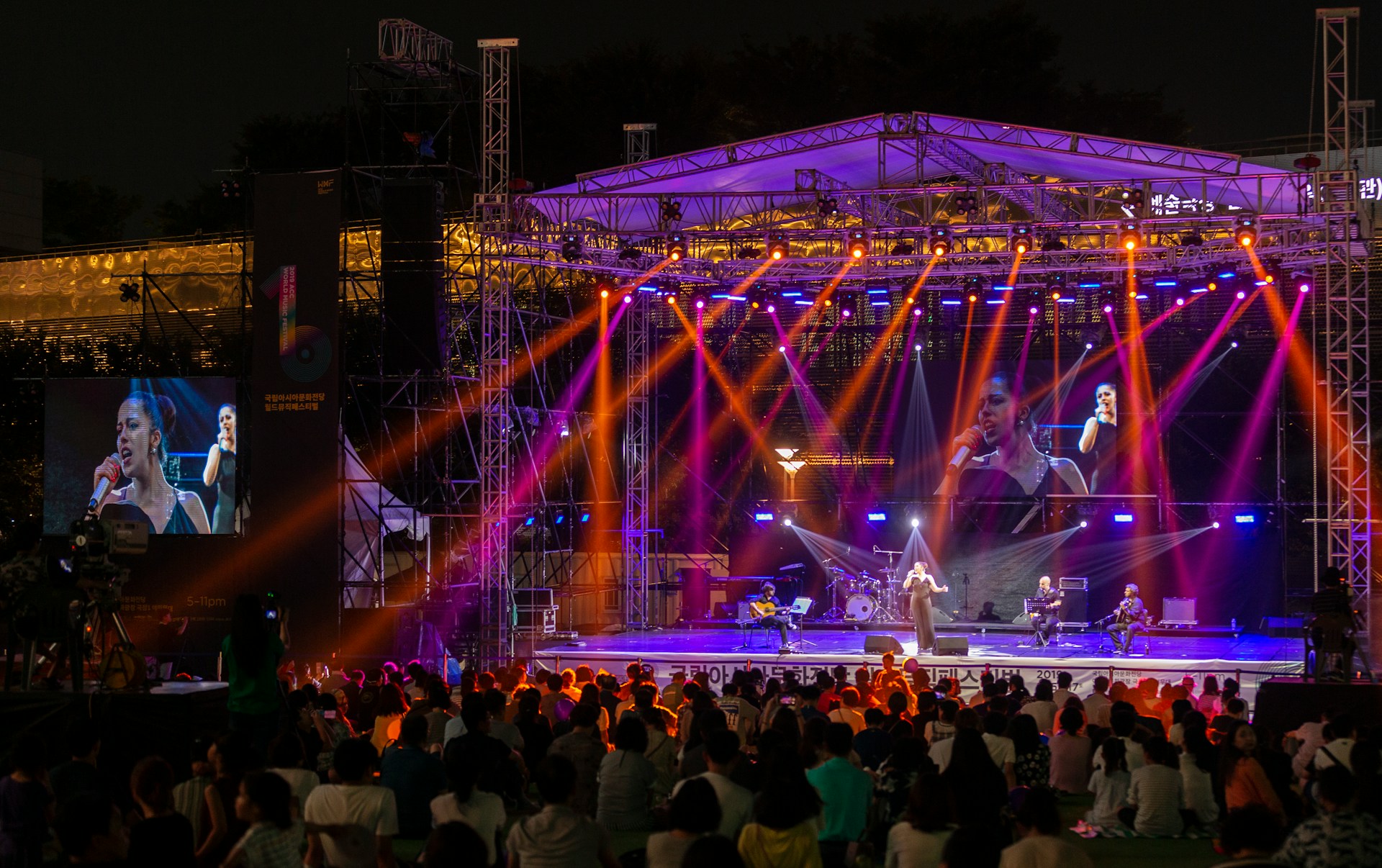
Modern events require several specialist teams to work on the same brief, and clients feel the difference when venue decisions and production choices are made through a single shared commercial system. SEG was built around that practical reality. Someone’s Entertainment Group links physical venues and event delivery within a single group, while media and audience access are close to the same project path. The model gives brands, artists, private hosts, and corporate teams a way to select the capabilities their brief requires while maintaining a broader relationship.
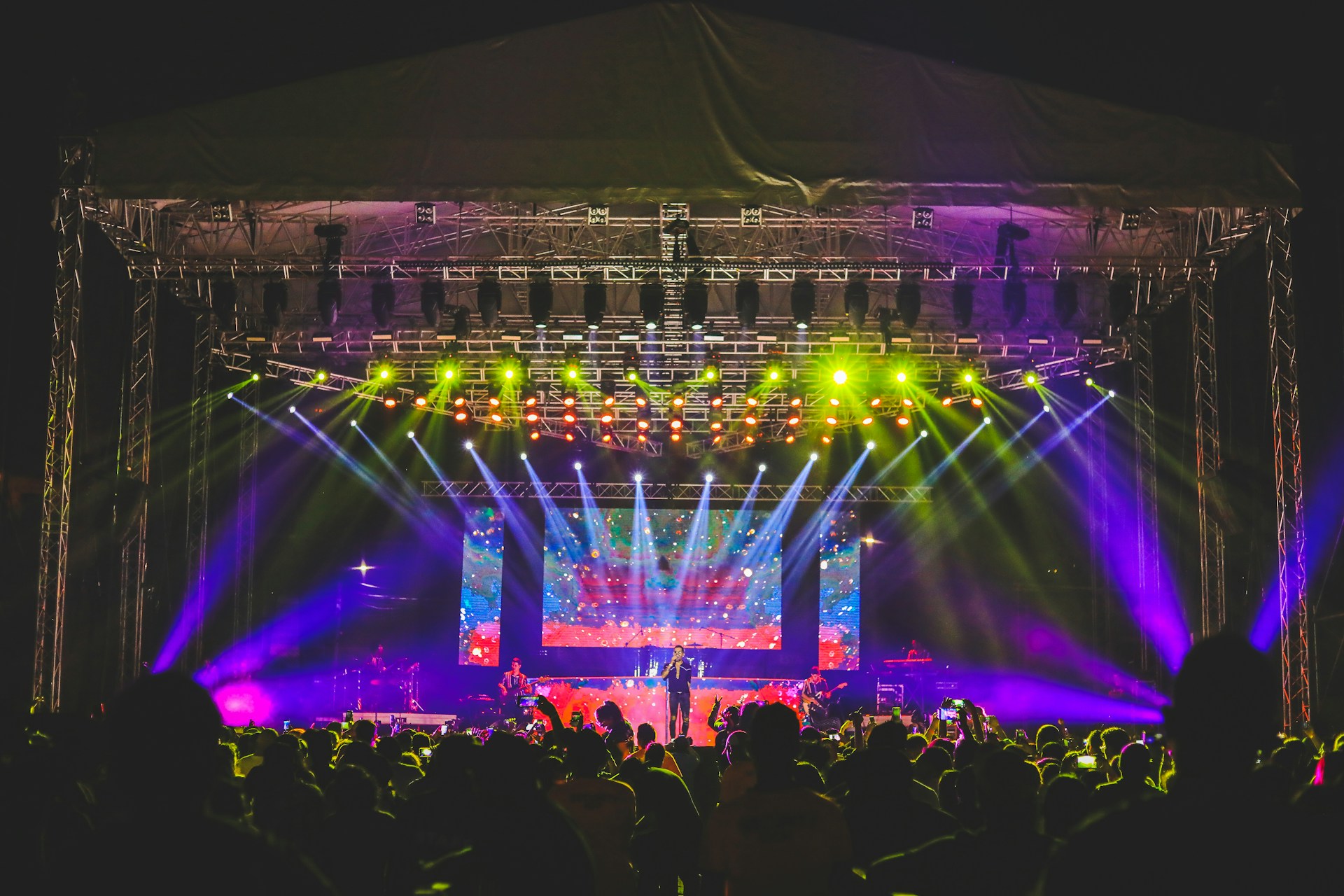
Why Modern Events Require a Connected Operating Model
Modern event delivery moves quickly because one decision can affect another part of the project within hours. Venue access affects load-in. Production timing affects performers. Guest registration affects front-desk staffing. Media schedules depend on the live program.
Clients gain real value when those decisions travel through related teams that already know the project’s commercial direction. Direct handoffs shorten approval chains and reduce repeated briefings. Specialist teams keep their own expertise, yet the client gains a cleaner route between them.
SEG’s current portfolio places venue operations and event production inside the same group model. Ticket access and media production add another layer to that model.
SEG’s Divisions and Their Roles in Event Delivery
SEG works through divisions with distinct jobs, which gives clients a practical way to assemble a project according to scale and purpose. Someone’s House and Someone’s Backstage cover different venue formats. Someone’s Yacht adds marine hospitality for private or corporate bookings.
Someone’s Event handles planning and live production. Someone’s Studio handles media and brand content. Someone’s Plan connects event owners with performers and vendors through a digital marketplace. Someone’s Ticket manages digital admission and QR access.
The value comes from the relationship between those divisions. Clients can start with one need and add another SEG capability when the brief calls for it.
Venues: Someone’s House, Yacht, and Backstage
Someone’s House suits private dinners and executive gatherings where warmth and privacy matter. Closed guest lists and hosted evenings fit the property well. The dossier also notes sound systems and professional DJs as part of the House proposition.
Someone’s Backstage answers a different brief. Launches and exhibitions fit its open format, while automotive presentations and media days can use its spatial flexibility.
Someone’s Yacht extends private hospitality onto the water. Private bookings and corporate programs can use onboard audio systems and QR-based boarding.
Those three venue formats give SEG clients distinct options for private hosting and brand-led programs.
Event Planning and Production via Someone’s Event
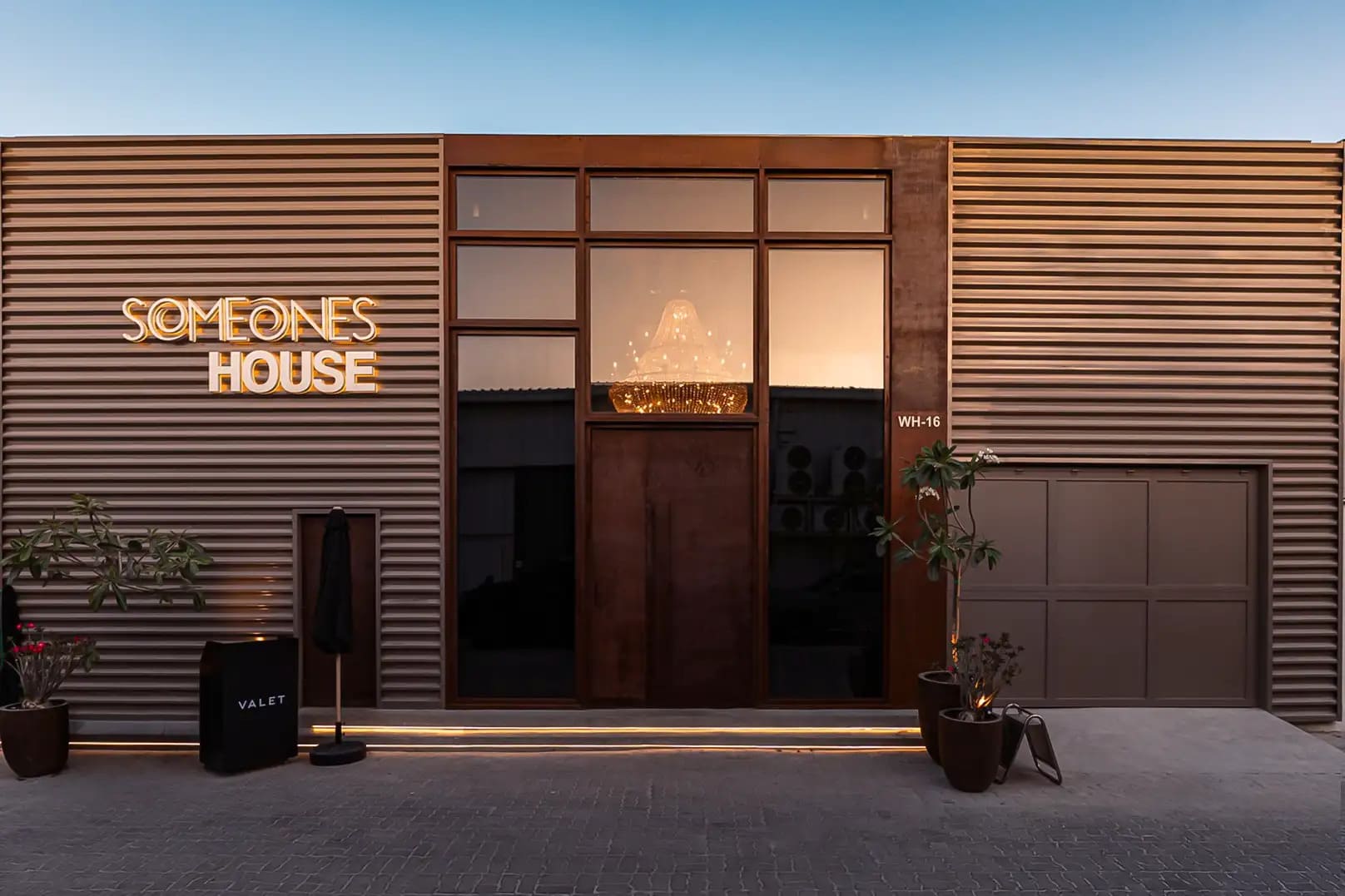
Someone’s Event gives the group its live delivery capability. The division covers festivals and concerts, while corporate launches and public performances sit within the same production remit.
Clients need this layer when a brief moves from venue hire to active production. Timelines need ownership. Supplier calls need decisions. Security and logistics need one operating plan.
Someone’s Event can take on that responsibility and coordinate the practical work required to move a brief toward a live date. The division gives SEG a direct operational link between concept and delivery.
Creative Direction and Media via Someone’s Studio
Someone’s Studio handles media production and brand development inside SEG’s wider system. Its capabilities include video production and audio recording, while motion design and campaign work support digital release.
Media becomes especially useful when a live project has a second purpose after the event date. Brand launches may need films for social channels. Artists may need stage recordings. Corporate clients may need photography or executive content.
Someone’s Studio gives those requirements a direct place inside the wider project. Live production and media work can share timing decisions from an early point.
Industry Coordination via Someone’s Plan
Someone’s Plan connects event owners and performers inside a digital marketplace. Vendors and venue providers participate in the same system. Profiles include media and rates, while calendars help users review availability.
The model gives organizers another route for sourcing talent or specialist suppliers. Event owners can publish a need and receive proposals within the platform.
Someone’s Plan adds market access to SEG’s physical and production capabilities. That digital layer matters when a project needs people or services outside the immediate production team.
Ticketing and Audience Access via Someone’s Ticket
Someone’s Ticket handles digital admission for SEG activity. QR codes manage entry and seat maps, supporting allocation. The platform can operate for SEG projects and external partners.
Audience access matters because the guest’s first physical contact with an event often happens at entry. Fast validation helps front-desk teams maintain steady movement. Digital admission data also provides organizers with a cleaner view of attendance.
Ticketing, therefore, sits close to operations instead of living as a separate final task. Entry planning can be directly connected to guest lists and venue requirements.
How SEG Connects the Full Event Cycle
SEG’s model allows a brief to move between related divisions as requirements become clearer. Clients may begin with a venue request and later add production. Another project may begin with event delivery and then add media.
Someone’s Ticket can join when paid or registered access matters. Someone’s Plan can help source performers or vendors. Someone’s Studio can create content tied to the live program.
One project can therefore use several SEG divisions while keeping a shared commercial relationship with the group. That gives the client access to specialist units without having to rebuild the project around separate companies.
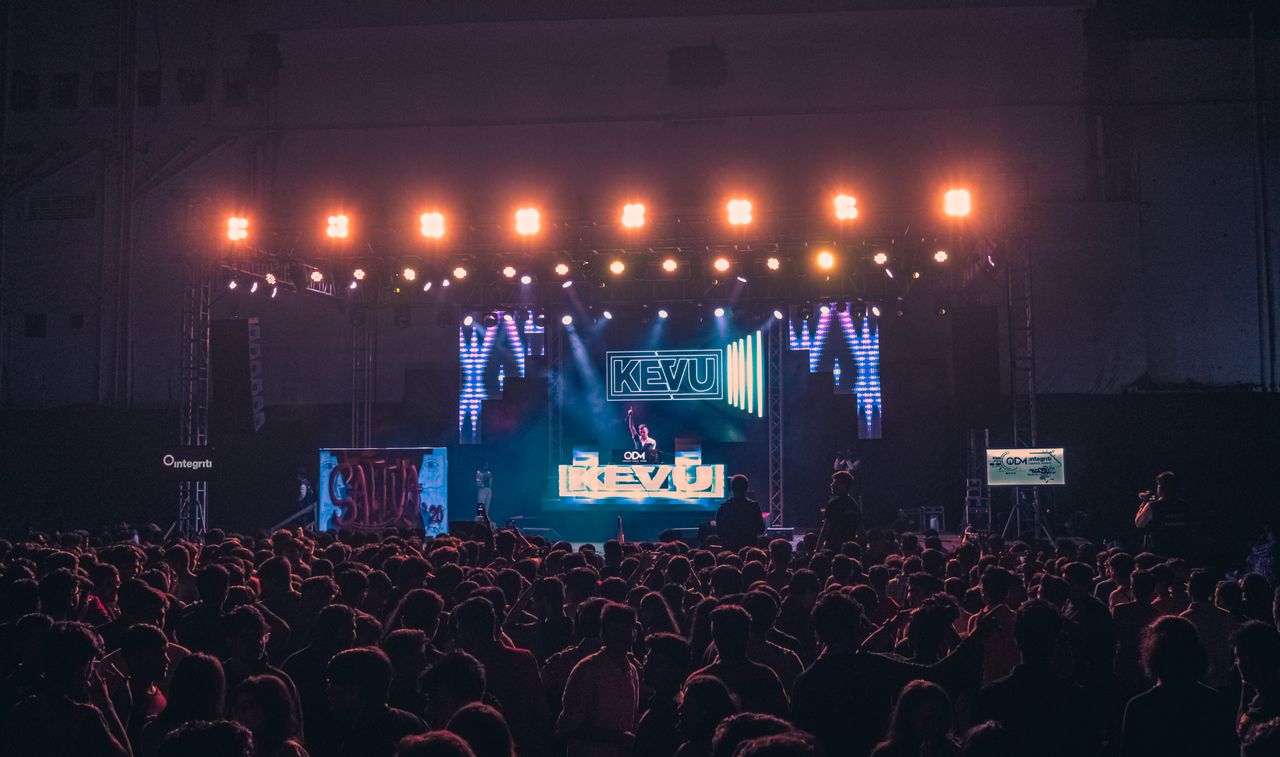
The Business Value of Connected Event Delivery
Business clients usually care about accountability and time. Connected delivery can reduce the need for repeated supplier onboarding and lighten internal teams' external-contact load.
Budget discussions also become easier when related event requirements sit close to the same project team. Changes can reach the relevant division faster. Senior stakeholders can receive cleaner progress reports.
The commercial benefit is practical: lighter administration and more time for the client’s actual event goals. Project knowledge stays closer to the people responsible for delivery.
Who Can Benefit From SEG’s Connected Ecosystem?
Corporate teams can use the model for launches and executive programs. Private hosts can combine a venue with entertainment or access management.
Artists can use production and media capabilities. Brands can connect live delivery with content output. Event owners can use Someone’s Plan when they need performers or specialist vendors.
The system works especially well for briefs that cross several event disciplines. A single company may need a venue today and media production tomorrow. SEG gives both needs a place inside the same wider commercial network.
How to Identify the Right SEG Division for Your Brief
Clients can start by defining the project's first real need. Venue-led briefs naturally point toward House, Backstage, or Yacht. Production-led briefs point toward Someone’s Event.
Media requirements point toward Someone’s Studio. Talent and supplier sourcing point toward Someone’s Plan. Paid admission or registered guest entry points toward Someone’s Ticket.
SEG can then connect the relevant divisions around the same project. The client chooses the capabilities that fit the brief instead of forcing the brief into a fixed package.

Start a Multi-Division Event or Creative Project With SEG
SEG gives clients a direct way to combine physical spaces and event delivery, then add media or digital access when the project requires it. The corporate dossier describes a group built around venues and production resources, supported by digital tools and cultural activity.
Launch projects can begin with Someone’s Backstage and add Someone’s Event. Private programs can begin with Someone’s House and add Someone’s Ticket. Media-led briefs can connect Someone’s Studio with live production when the project calls for both.
The principle stays simple: choose the SEG divisions the brief actually needs and let the group connect the work around one project.