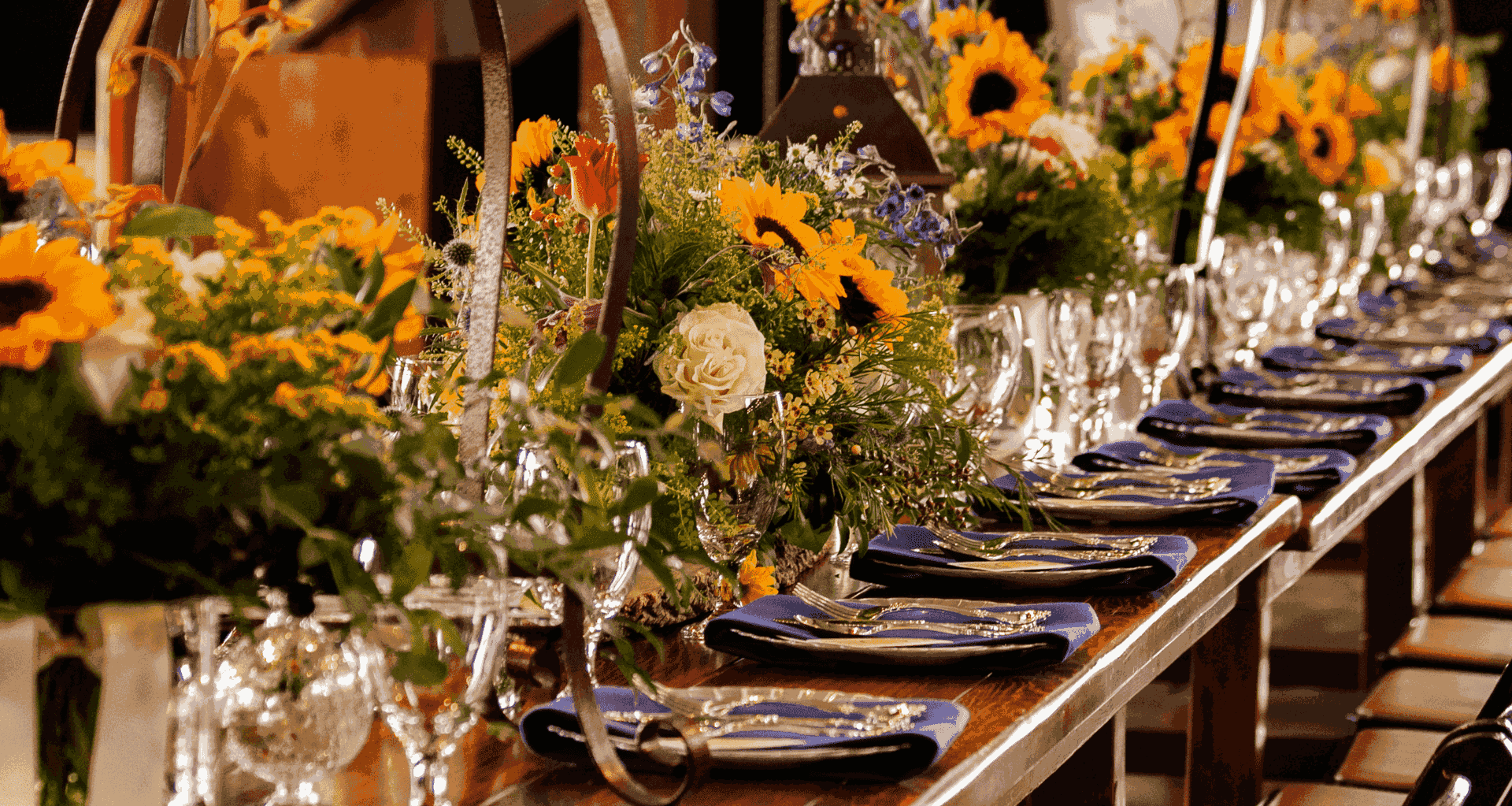
A ballet. A string quartet. A theater debut. It looks simple. The artists appear, they do their work, and the audience claps. Easy, right?
What a load of nonsense.
That apparent simplicity is the result of a thousand hidden decisions. It's a pyramid of logistics, timing, and technical work. At Someone’s Entertainment Group, we live for this stuff. We build the pyramid. A cultural event production is a different beast from a standard corporate meeting. It demands a structured event planning system that’s both rigid and responsive. You can't just "wing it." You need a machine.
Why Cultural and Creative Programs Require Structured Event Systems
Here’s the deal. A creative performance coordination project has a hundred failure points. The wrong light cue. A late sound effect. An audience member walking in at the wrong moment. In a standard conference, it’s an annoyance. In a curated cultural experience, it can destroy the entire artistic statement. The spell is broken.
A total disaster.
A system-driven event planning approach is the antidote. It’s the playbook. It means every single person, from the technician in the booth to the usher at the door, knows their exact part. It’s a script for the operators, so the artists have the freedom to execute their script. It’s a paradox, maybe. But real artistic freedom rests on a foundation of absolute logistical control.
Coordinating Stage, Sound, and Light for Creative Performances
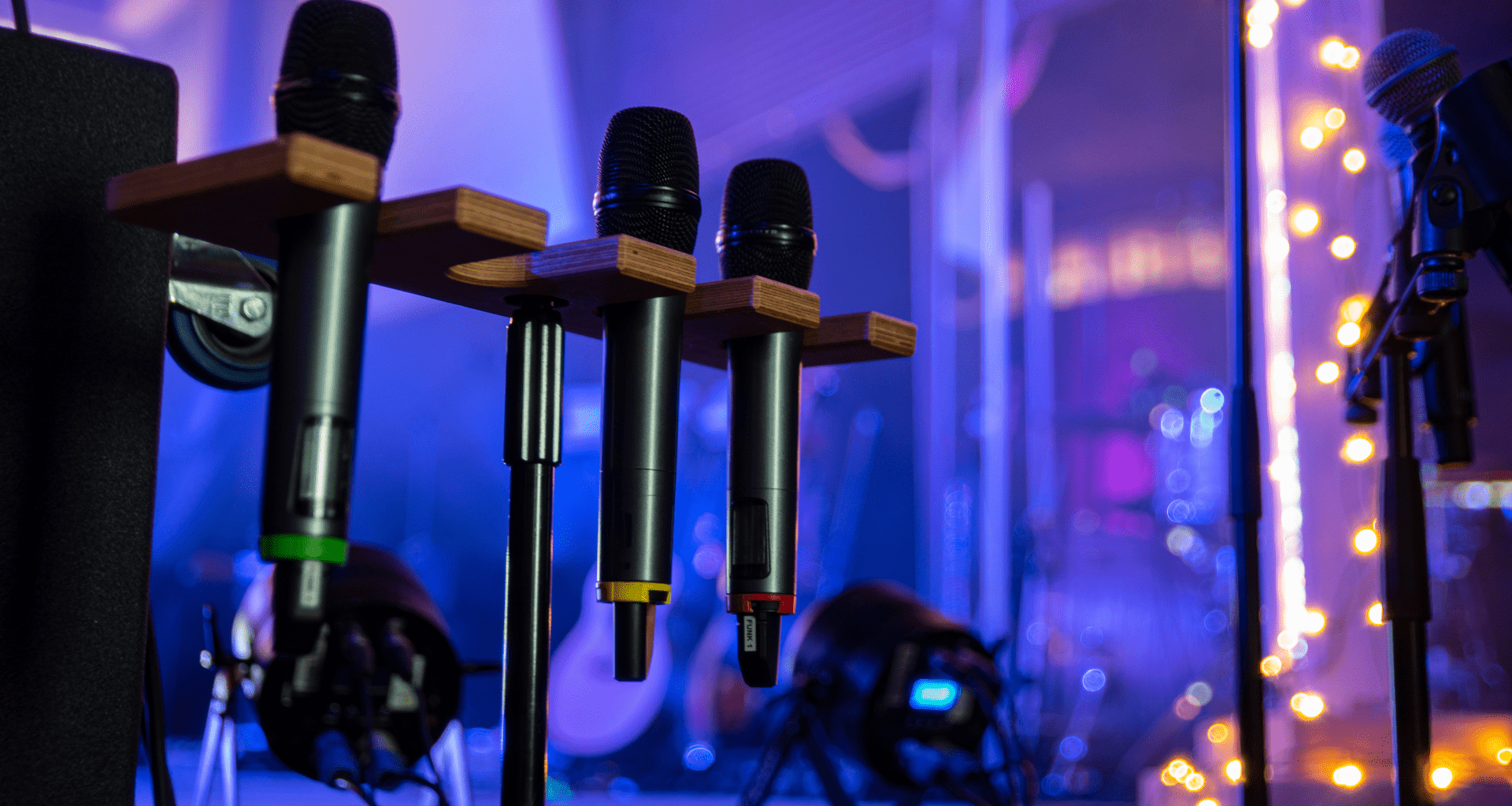
This is the technical ballet. Stage and sound coordination is an art form. The light needs to shift on the beat. The sound from the left speaker needs to arrive on the gesture.
A tenth of a second late? The audience feels it. They may not know why they feel it, but they do. It just feels... off.
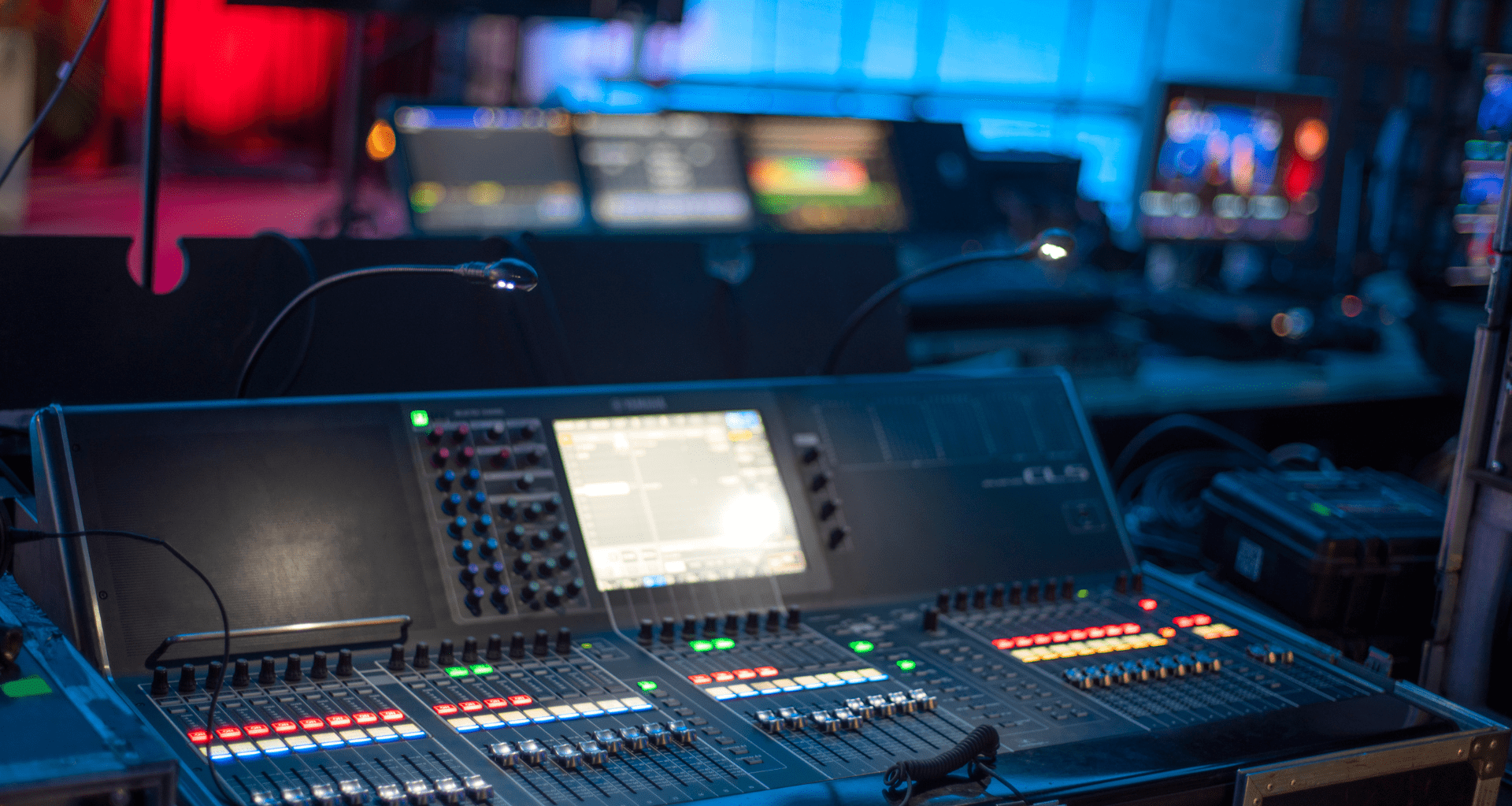
Our Someone's Event and Someone's Stage teams work from a unified production document. This script maps every technical cue to the performer's actions. It’s less of a list and more of a musical score. The illumination board operator, the audio engineer, and the stage manager are all "playing" from the same sheet. This is the only way to get true precision.
The Role of Timing and Cue Sequencing in Cultural Events
Let's go deeper into performance timing systems. The what is important. The when is everything. A 30-minute symphony is a sequence of thousands of small events. The coordination of venue sequencing is where the real work happens.
It’s a chain reaction. Cue A fires, which arms Cue B. Performer hits their mark, which triggers Cue C. It’s a cascade.
Our production managers build these sequences backward from the desired audience emotion. Want a sudden gasp from the crowd? The cue sequence is: lights to black (0.5s), a specific audio sting (at 0.7s), a single pin-light on the performer (at 1.0s). This isn’t guesswork. It's procedural.
How Multi-Room Design Supports Complex Creative Programs
Curated cultural experiences seldom happen in one box. A truly ambitious program might start with a private reception, move to a main performance, and end with a post-show talk. This is a multi-room event design.
Moving from one space to another, the audience's mood must be reset.
The transition is the key. The spatial logic for events must guide them. How does the mood from the intimate Someone’s House translate to the grand Someone’s Stage? The illumination in the hallway, the sound in the lobby, the pace of the ushers... It's all part of the show. It prepares the audience for the next "chapter." It’s a progression, and we are the guides.
Why SEG Prioritizes Rehearsal Infrastructure for Cultural Programs
You can't build a complex show on opening night. It’s madness. Cultural event production requires good rehearsal systems. Lots of them.
You know what's expensive? Failure. You know what's cheap? Rehearsal.
This is why our event infrastructure (like Someone's Studio) is so critical. Our artists get to use the actual tech, on the actual stage, weeks in advance. It allows the technical crew to rehearse their cues just like the performers rehearse their lines. The show opens on night one, but it's already been performed a dozen times for an empty house. No surprises. Just execution.
Managing Audience Flow to Protect Cultural Intent
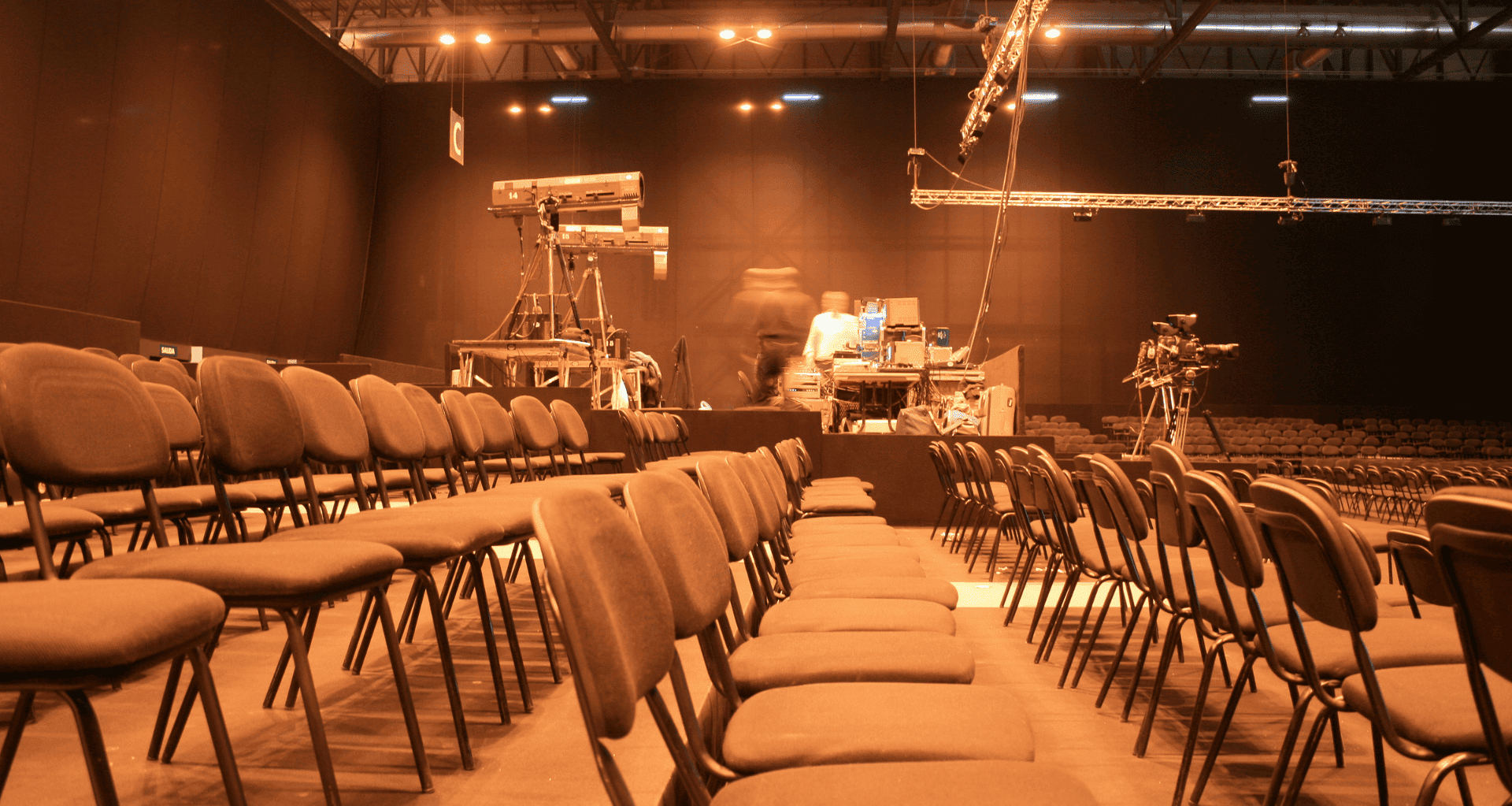
Here’s one most people forget: audience flow management. For a cultural show, this is a top priority.
You can't have latecomers wandering in during a quiet monologue. You can’t have a bar blender whirring during a string quartet. The artistic intent must be protected.
Our system is... well, let's call it 'firm.' We use hard "lock-out" times. The doors close when the curtain rises. Period. Our spatial logic for events also includes buffer zones—lobbies, hallways—that are acoustically isolated from the main hall. We guide the audience, yes. But sometimes, we also build walls to protect the work from the audience. It sounds harsh, but it's how you preserve the quality for everyone.
Why Cultural Programs Thrive Inside SEG’s Design Philosophy
So, what's the point? The SEG event structure is a philosophy. It’s a belief. We believe that creative work, especially ambitious cultural programs in Dubai, deserves a support system as serious as the art itself.
The artist shouldn't be worried about the lights. The audience shouldn't be concerned at the sound. The only thing that should exist in that room is the connection between the performer and the patron.
Our job is to build the machine that makes all the other... 'stuff'... disappear. It's a ton of work. And when it's done right, it looks like no work at all. That’s the point.