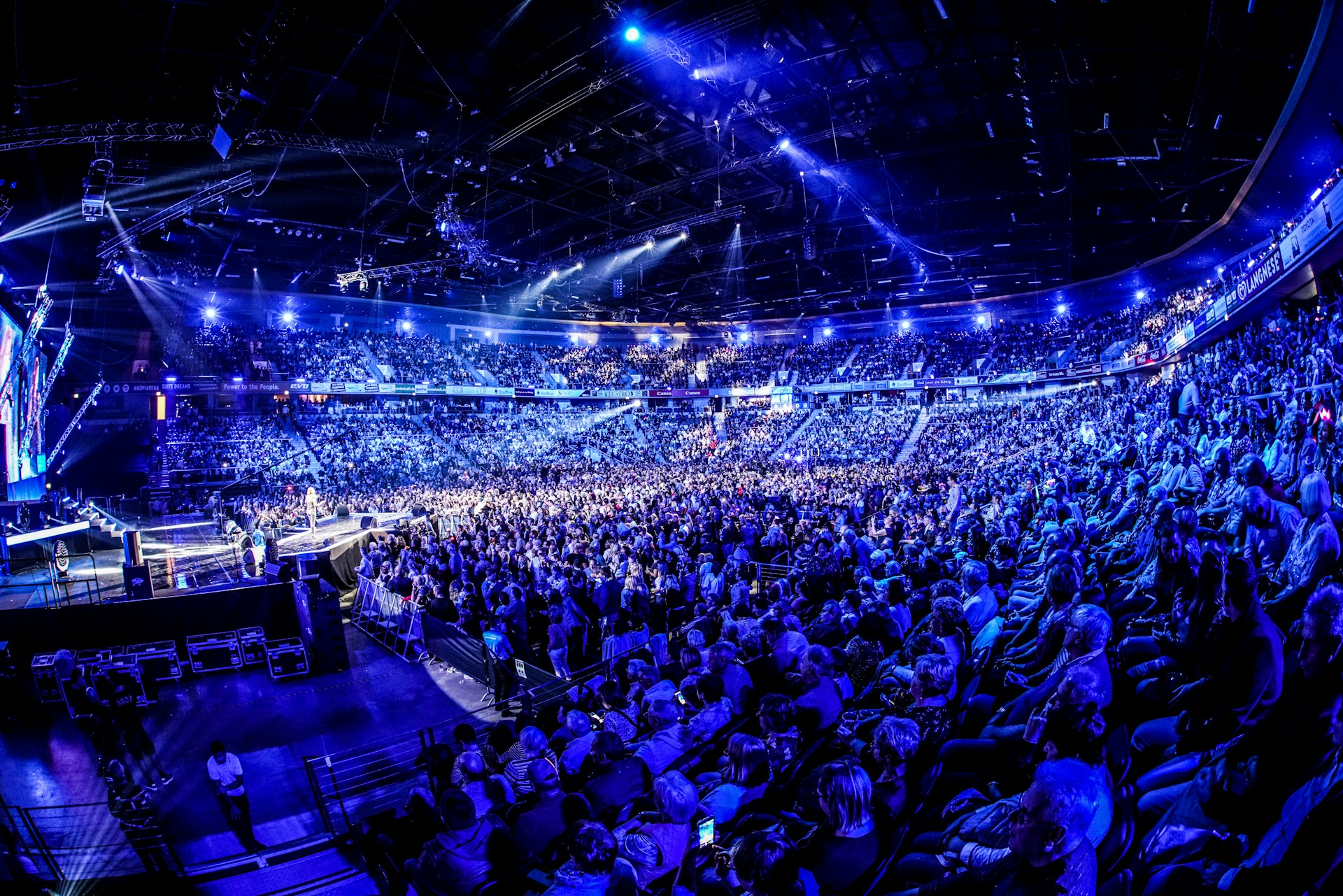
Live events have always worked best when people feel involved in what happens around them, and technology now gives producers far more ways to make that involvement immediate and personal. Guests can vote during a session, unlock content via a QR code, respond to a live question, or use the event app for updates throughout the program.
The basic idea stays human. People want to feel included.
Technology simply gives event teams new ways to make that happen.
How Technology Is Redefining Audience Engagement at Live Events
Live event technology now changes the relationship between the stage and the audience, as communication can flow both ways during the program. Producers can ask a question and see hundreds of responses within seconds. Speakers can adjust a discussion based on live polling. Guests can send questions from their seats.
That matters because audiences have become used to participation in daily digital life. People comment, react, vote, share, and search almost constantly.
Live events now borrow some of those habits.
The best use of technology gives people a reason to take part rather than giving them another screen to stare at.
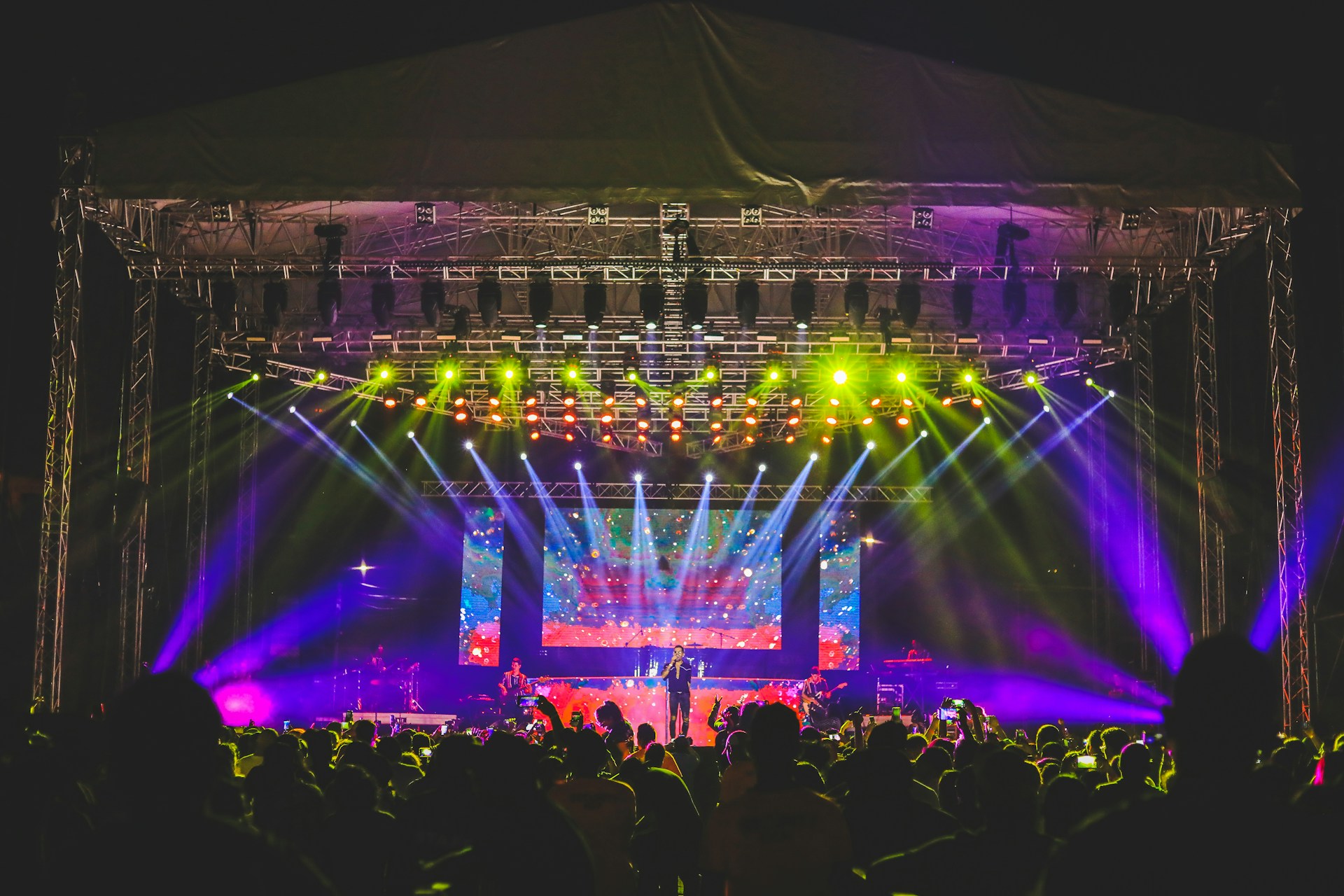
Why Audience Expectations at Live Events Are Changing
Guests arrive with different habits than they had ten years ago. Mobile phones sit in nearly every pocket. Digital tickets feel familiar. QR codes feel normal. People expect quick access to schedules and event information.
Audience expectations have changed along with those habits.
Guests often want answers immediately. They want to know when a session starts. They want access to useful event content. They may want to ask a speaker a question or share a moment online.
Event teams that understand those expectations can plan communication around real behavior.
Using Event Apps to Create a More Connected Guest Path
Event apps can give guests a practical place for schedules and speaker information. Maps and session updates can live there, too.
Mobile tools work best when they solve a real need.
Guests can receive a reminder shortly before a session starts. VIP visitors can receive separate access information. Corporate attendees can save sessions to a personal calendar.
An app can also support attendee registration and audience interaction during the event.
Good event apps feel useful because they save people time.
How Live Polls and Interactive Content Encourage Audience Participation
Live polling gives audiences a direct voice during talks and presentations. Guests can answer a question from their phones and see group results on a screen.
Speakers gain useful information at the same time.
A conference presenter can ask which topic matters most to the audience. A brand can ask guests to choose between two product features. A panel host can collect questions before the discussion reaches its final section.
Interactive content works because people contribute to what happens next.
Participation changes the energy in the space.
How AR and VR Add New Layers to Live Events
AR events can overlay digital information onto the physical setting via phones or headsets. VR can give guests access to places or ideas that are difficult to recreate physically.
A property company can let visitors view a future development through virtual reality. An automotive brand can use AR to display technical details around a vehicle. A cultural event can use digital layers to give context around an artwork.
Technology earns its place when it helps people understand something faster or gives them access to something useful.
Novelty alone has a short shelf life.
Using AI to Personalize Live Event Content
AI in events can help organizers read registration data and suggest content based on guest interests. Event personalization can begin before arrival and continue during the program.
Conference guests can receive session suggestions based on selected topics.
Business visitors can receive meeting recommendations linked to their stated interests.
AI can also help event teams study audience questions or survey results.
The value comes from relevance.
People respond better when event information feels related to why they came in the first place.
How Digital Ticketing and Smart Access Improve Guest Arrival
Digital ticketing has changed one of the least glamorous parts of event attendance: getting through the door.
QR-based admission can reduce manual checks and give ticketing teams current attendance data. Contactless event technology can also support separate access routes for media and VIP guests.
Fast entry matters because the first few minutes can set the mood for the entire event.
Guests want clear directions and quick validation.
SEG’s ticketing capability places digital admission close to live event operations. That relationship helps ticketing teams and production teams work from the same event schedule.
Making Social Media Part of the Live Event
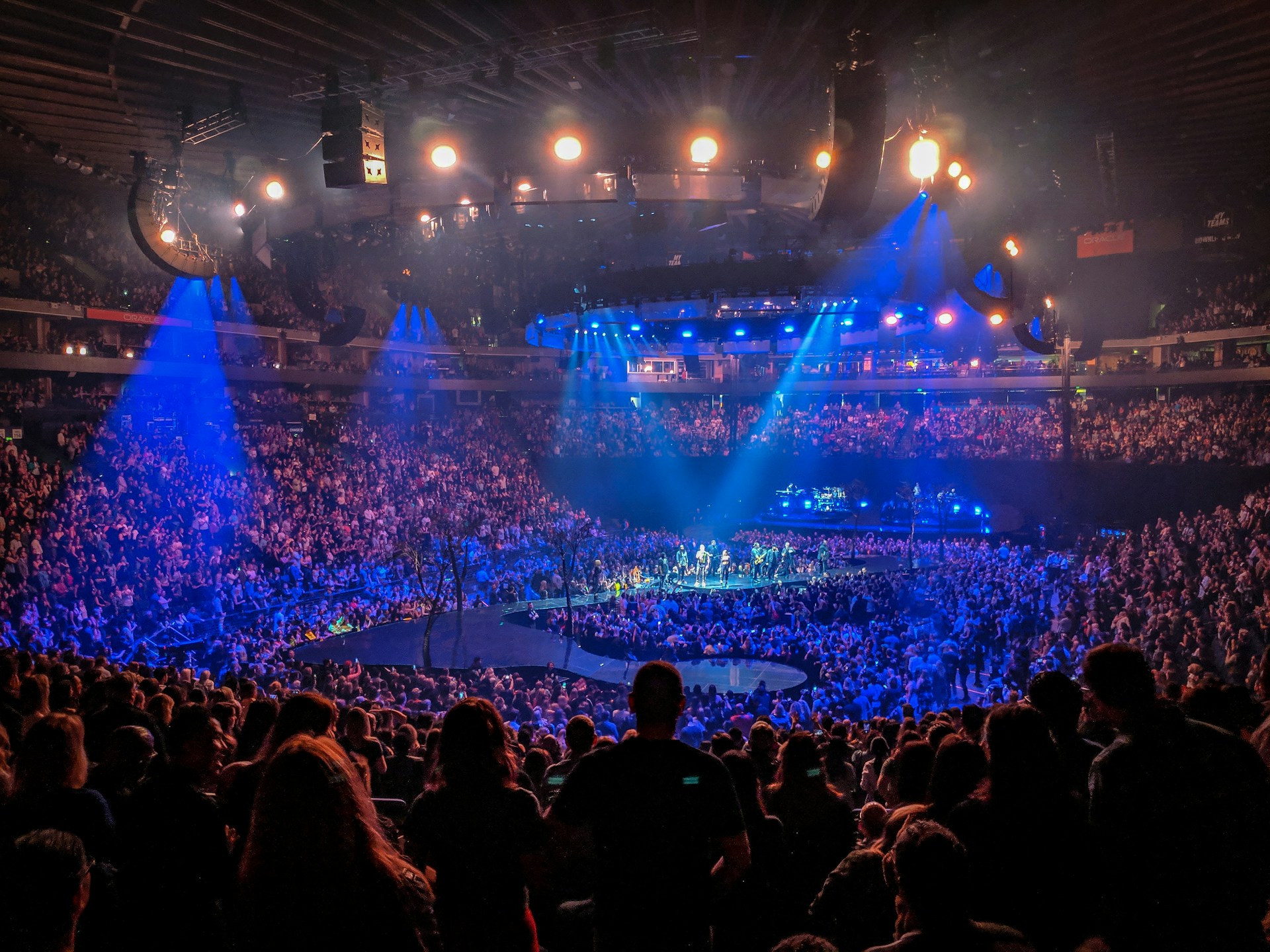
Social media gives audiences a way to extend live moments beyond the physical venue.
Guests post photos and short clips. Speakers share key points. Brands can publish event content while the program is still active.
The strongest social media material usually comes from moments people genuinely want to share.
Event teams can support that behavior through good lighting and useful visual settings. Clear event hashtags can help people find related posts.
Social media then becomes part of audience participation rather than a separate marketing task.
Using Gamification to Keep Audiences Involved
Event gamification can give guests simple reasons to participate throughout the day.
People can earn points for session attendance or quiz answers. Teams can compete during corporate events. Exhibitions can use digital challenges to encourage visitors to visit different areas.
Games work when the rules stay easy.
People should understand what to do within seconds. Rewards can remain simple as well. Access to a private session or a useful prize can be enough.
Good gamification adds energy to the event schedule while keeping the main program intact.
How Interactive Screens and Digital Installations Change Event Spaces
Interactive displays can let guests search content or respond to questions. Digital installations can react to touch or movement.
Brand activations often use these systems because physical interaction gives people a reason to spend more time with the product.
Corporate events can use interactive screens for schedules and product information. Cultural events can use them for educational content.
Digital installations work best when they feel easy to understand.
People approach them naturally when the purpose feels obvious.
Connecting Technology, Production, and Entertainment
Event technology works best when production teams and entertainment teams plan together.
A live poll needs screen time. An AR segment may require specific lighting conditions. A digital performer may need exact stage timing. Social content teams need access to key program moments.
Technical planning, therefore, needs to happen early.
SEG is well-positioned because event production and digital ticketing can work closely with media production and live entertainment within the same group. That connection helps teams plan technology around the actual event rather than adding it at the last minute.
What the Future of Audience Engagement at Live Events Looks Like
Future audience participation will likely become more personal and more immediate.
AI can help event apps suggest content in real time. Wearable technology may give guests new access options. Interactive stage systems can respond to audience choices. Digital ticketing can link attendance data with event communication.
Human behavior will still decide which tools last.
People will keep choosing technology that saves time or gives them a meaningful role.
Live events still depend on one basic truth: people want to feel part of what happens in front of them.
Technology now gives producers more ways to invite them in.