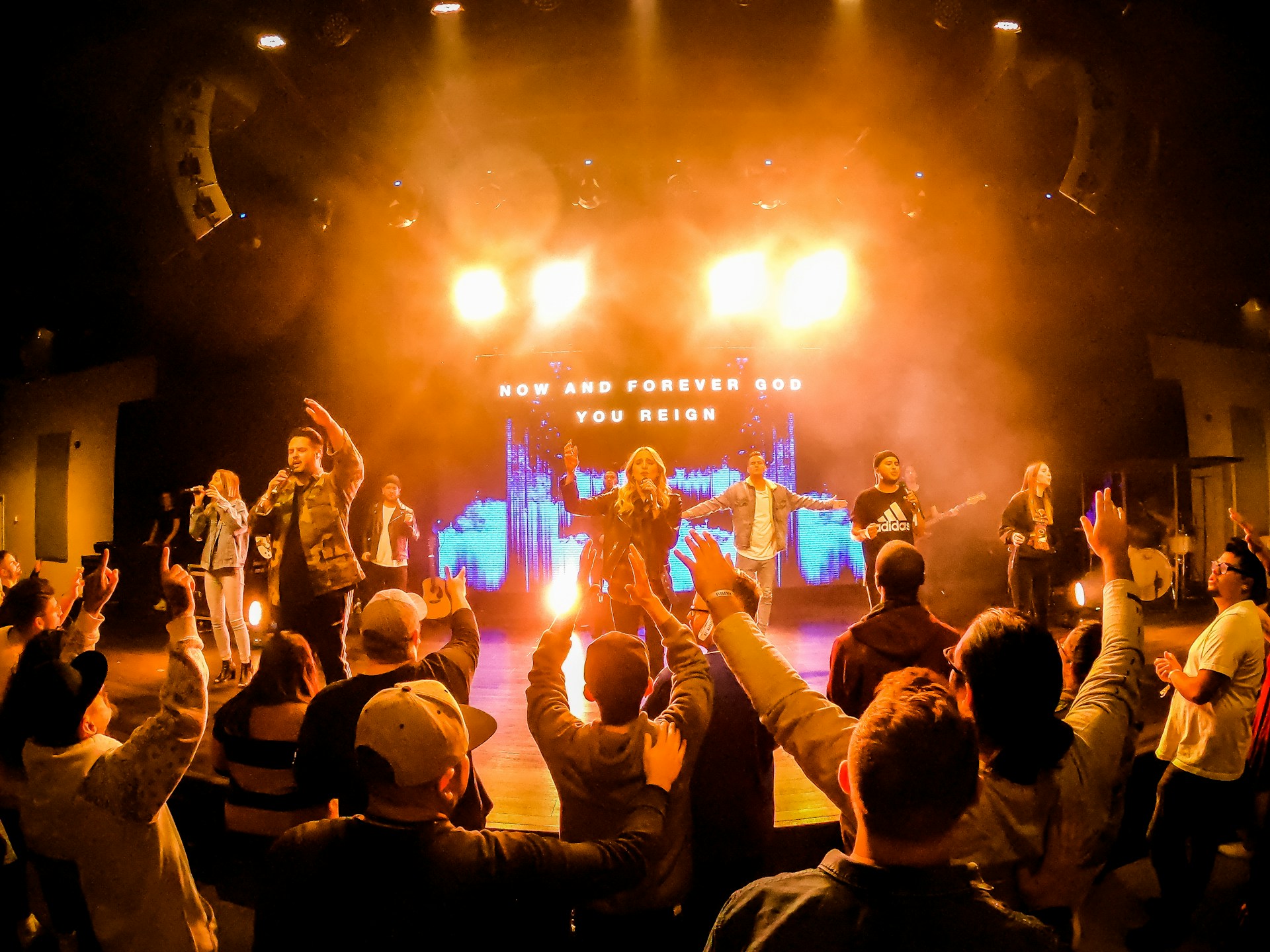
You’ve been there. A great speaker, but the room feels like a gymnasium. A brilliant show, but you’re so cramped you can’t wait for it to end. We often blame the content for a flat event. The speaker. The performers. The catering.
But here’s the kicker: What if it's the room?
At Someone’s Entertainment Group, we’ve built our entire philosophy on this. The container is the content. A venue isn’t a passive box. It's an active participant. It’s an instrument you either play well, or it plays you. Getting this right is the core of audience engagement strategies for 2025. It’s a complex game of design psychology for events, and it’s the thing that separates a good event from a legendary one.
Why Venue Design Plays a Central Role in Audience Engagement
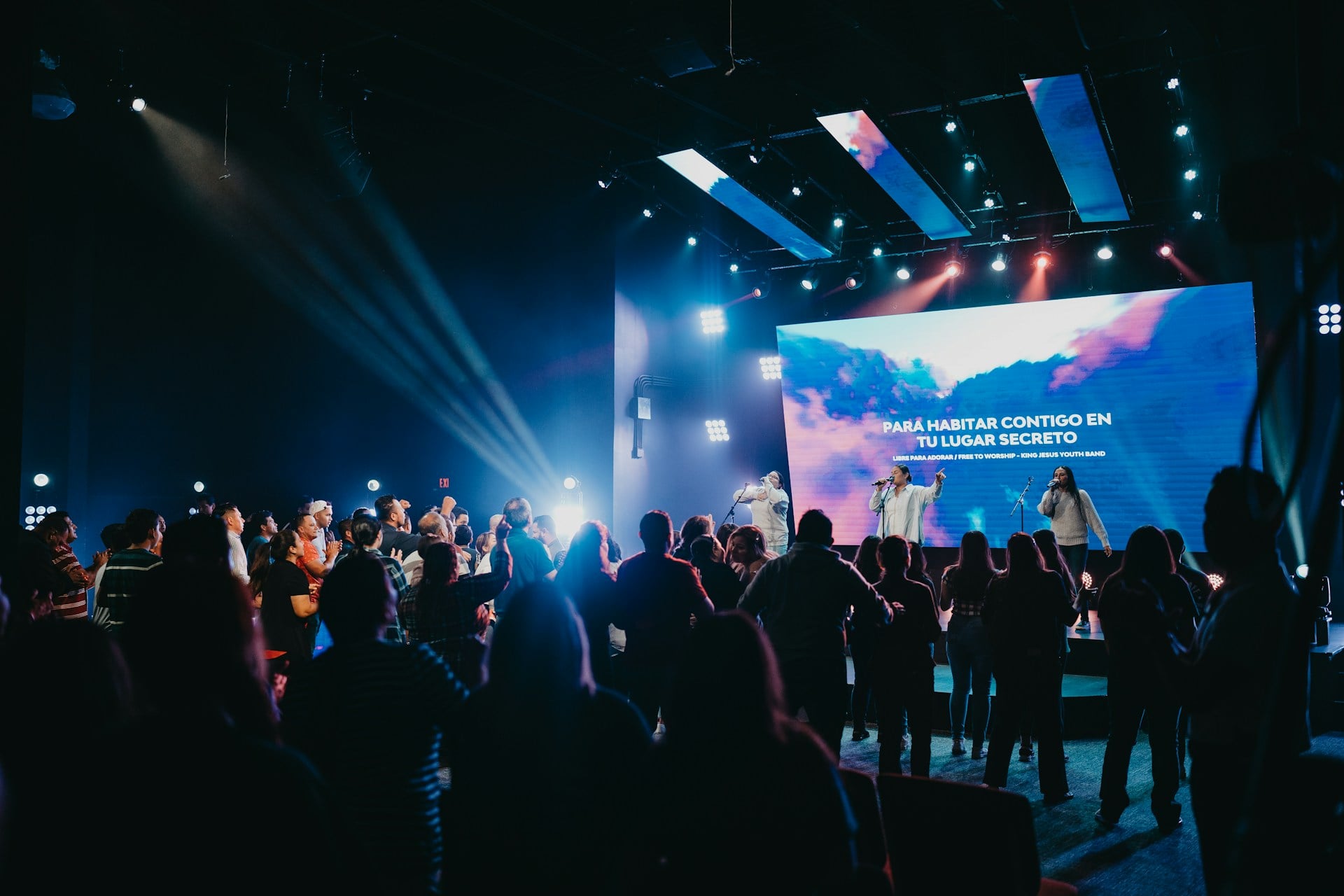
Let's get this straight: event space design isn't about pretty wallpaper and nice chairs. It’s the invisible hand guiding your audience's every move and mood before your first speaker says "hello." The venue has already told your guests how to feel.
It tells them if they should be rowdy or reserved. It tells them if they should talk to their neighbor or stare at their phone. It tells them if they are part of a community or just one person in a crowd. Get the design wrong, and you're fighting an uphill battle against the building itself. Good performance-driven venue design means the room is your ally, doing half the work for you.
The Relationship Between Spatial Layout and Audience Behavior
This one’s a doozy. Spatial design for events is a game of inches. It’s the blueprint of human interaction.
Think about it. A vast, wide-open hall with no defined zones? People often feel exposed, as if they're in a fishbowl. They'll cling to the walls. You'll get zero mingling. Now, flip that. A room that's too cramped, with tables jammed together? Hello, anxiety. People feel trapped. They can't relax.
The audience's behavior in events is a direct response to the layout. We utilize spatial design to create distinct "zones" for various moods. A lounge area for quiet conversation. A central, high-energy area for networking. The layout is your first tool for telling people how to use the space.
Movement Pathways: Managing Crowd Flow for Better... Well, Everything
Have you ever been to an event and felt like a salmon swimming upstream just to get a drink? That's bad crowd flow management. It’s maybe the single most frustrating part of a guest’s night, and it’s a complete energy killer.
Good event architecture is all about intuitive pathways. It’s a bit like a video game level. The designer wants you to go a certain way, so they use lighting, furniture, and open space to make that path the most obvious choice.
We ask: What’s the journey from the door to the bar? From the bar to the seats? From the seats to the restrooms? It has to be fluid. When people aren't fighting the layout, they're free to relax, talk, and, you know, actually pay attention to the main event. Bottlenecks are the enemy. They breed frustration. Good flow breeds comfort.
How Lighting Shapes Emotion and Attention in Events
Lighting. It’s not just "making it bright enough to see." It's everything. The impact of lighting on events is biological. You're hacking the audience's brain, plain and simple.
Want a serious, heads-down presentation? Bright, cool, even lighting.
Want a dramatic, emotional monologue? A single, warm light on the speaker and a deep fade in the house.
Want people to talk to each other? Raise the ambient light, keep it warm.
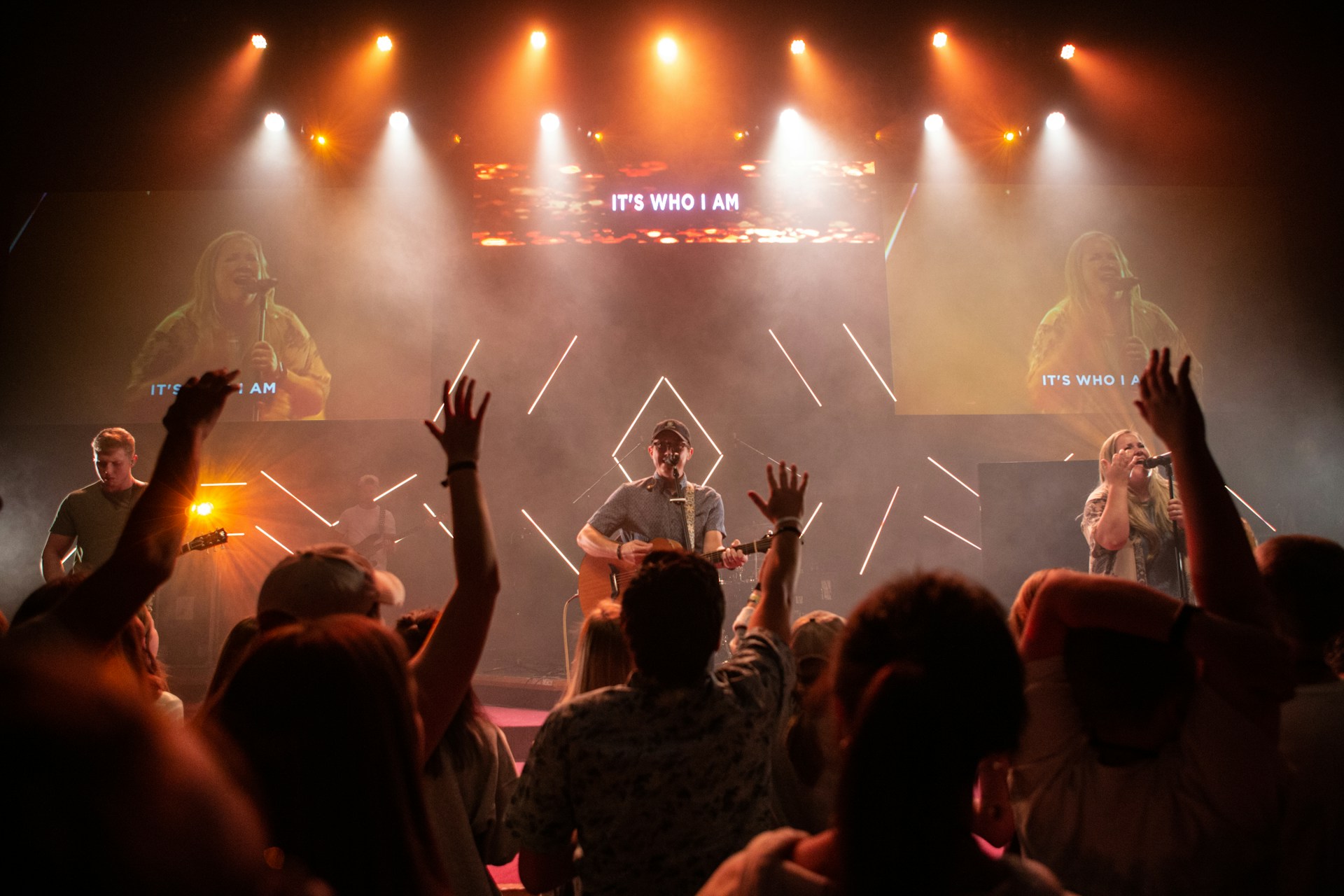
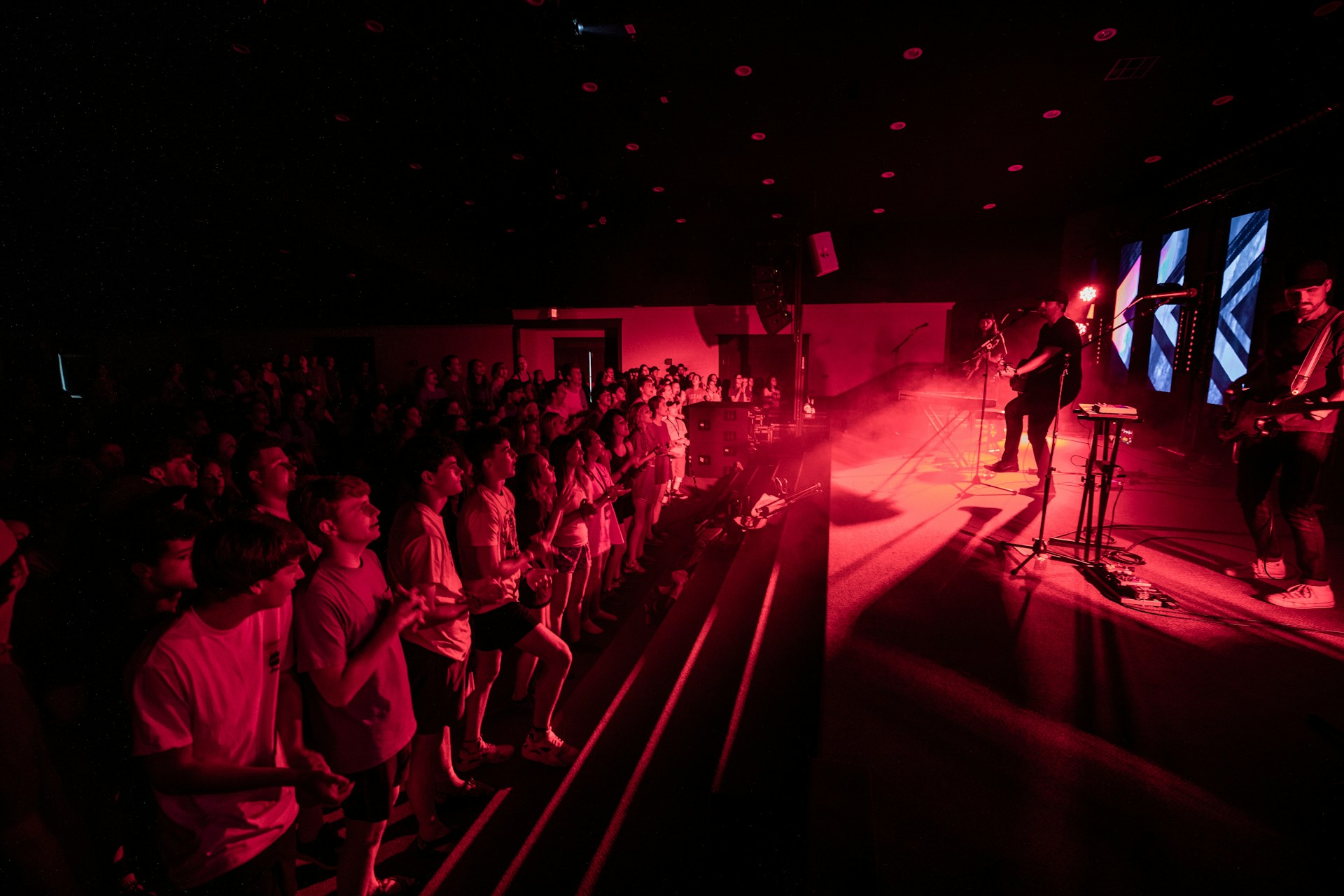
Lighting tells us where to look, but it also tells us how to feel. Low, warm lighting pulls people in and makes a large space feel more personal. Sharp, high-contrast colors create energy and excitement. It’s an incredibly potent tool. In our Dubai event venues, fighting against the giant, flat overhead lighting in some ballrooms is half the battle.
The Role of Acoustics in Guiding Audience Focus
Ever been in one of those "modern" restaurants that's just a box of concrete and glass? You have to literally yell at the person sitting opposite you?
Now, imagine that during a keynote speech. Acoustics and audience engagement are directly linked. Bad acoustics—slap-back echo, horrible reverb, muddy sound—are physically exhausting. Your brain is working overtime trying to filter the noise to find the signal. It's tiring. And when people are tired, they check out.
Good acoustics are a luxury you don't notice. It’s when a speaker's voice seems to land right in your ear, clear and present. It’s when music swells and fills the room without being painful. It lets the audience relax and receive the message.
Why Stage Positioning Directly Impacts Engagement Levels
This seems obvious, right? Put the stage at the front. Done. But it’s so much more than that. The stage placement for engagement dictates the entire power dynamic of the room.
A high, distant stage: This creates a formal separation. It’s a "proclamation" from on high. Good for a king, maybe. Bad for a collaborative workshop.
A low, close stage: This creates a more personal, one-on-one feeling. The audience feels like they're in the same room as the performer, not just watching them on a screen.
A stage in the round: A whole different ballgame. The performer is vulnerable, and the audience is a community surrounding them. The energy is entirely different.
There’s no "right" answer. But the choice of stage position is a choice about your relationship with the audience.
How Seating Arrangements Influence Interaction and Energy
Let's talk chairs. Seriously. The seating arrangement's impact is massive.
Rows of theater-style seating (all facing front) send a clear message: "Be quiet. Watch this. Do not talk." It’s a passive, one-to-many setup. Great for a movie. Awful for a networking event.
Cabaret-style tables, like we use at Someone's Stage, completely change the dynamic. They immediately create small, social "pods." They give people a "home base." They encourage discussion.
Lounge seating with sofas and armchairs? That signals relaxation, conversation. High-top tables signal a more transient, mix-and-mingle vibe. The venue atmosphere effect starts with where you ask your guests to sit.
Creating Atmosphere Through Architectural Touchpoints
This is the subtle stuff. The "je ne sais quoi." It’s the material under your feet, the height of the ceiling, the texture of the walls.
A room with 40-foot ceilings, marble floors, and glass walls feels grand, formal, and maybe a little cold. It can be impressive. A space with wood floors, lower ceilings, and textiles feels more human, more grounded.
These architectural touchpoints are the set dressing for your event. They set the tone. A ceiling with exposed beams tells a different story than one with crystal chandeliers. Event architecture is storytelling before the story even begins.
Designing for Sensation: Building Emotional Connection
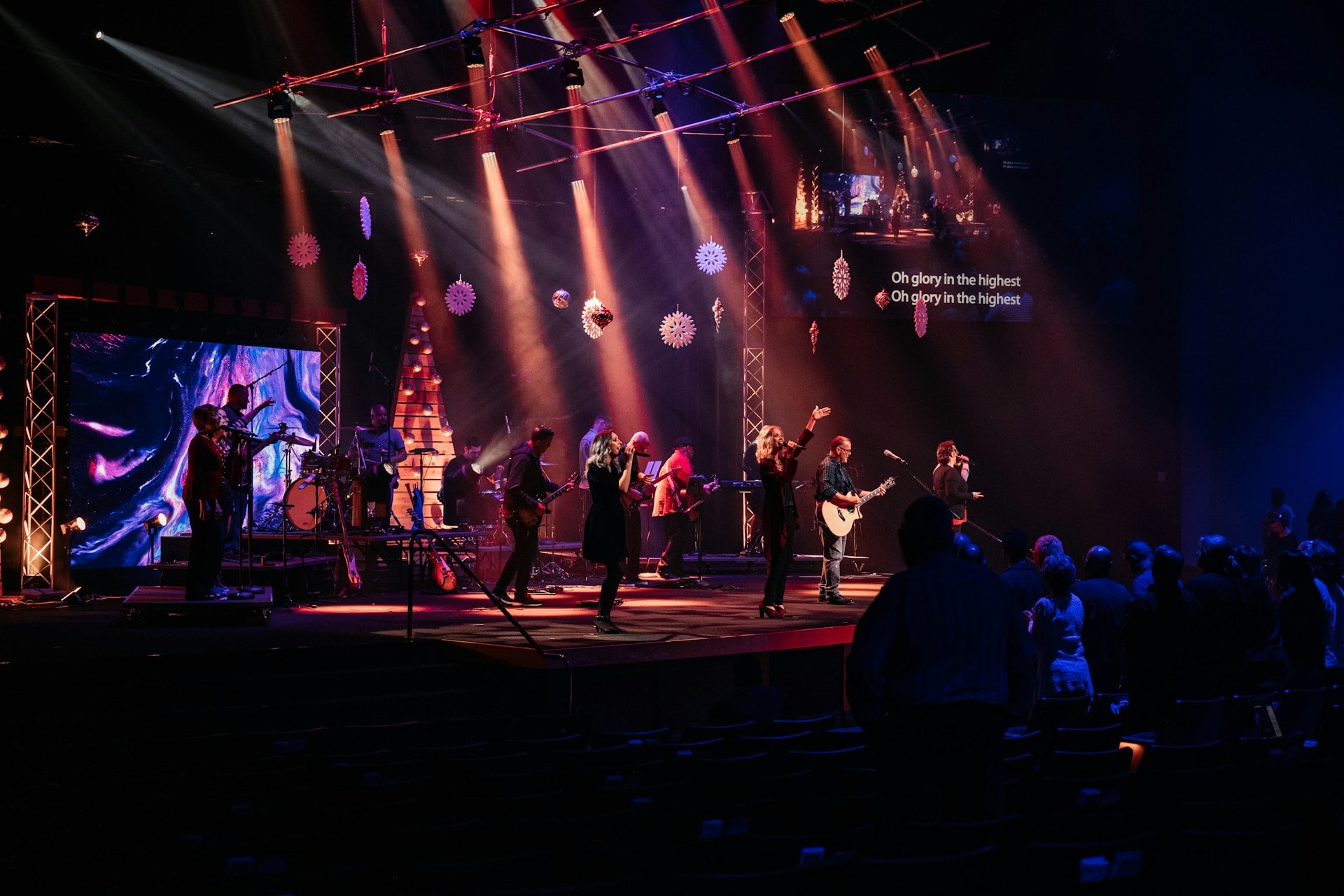
This is when you're not in a room, you're inside a concept. It’s when all the elements—the lighting, the sound, the layout, even the smell—all work together to tell one, single story.
It’s a 360-degree approach. This kind of environmental design in entertainment bypasses the logical brain and hits the audience right in the feelings. You don't just watch the event; you feel like you're part of it. You're on the inside. This creates a much stronger emotional connection and makes the event's message stick.
How Intelligent Venue Design Leads to Higher Event ROI
Here’s the part for your boss. This isn't just artsy-fartsy stuff. It's business.
A well-designed venue (one with good flow, fantastic acoustics, and smart seating) keeps people happy and comfortable. Happy, comfortable people stay longer. They pay more attention. They retain information better. They talk to other guests. They post good things on social media.
All this translates directly to a better return on your investment. Good venue design isn't an expense; it's a tool for achieving your event's goals.
Designing Spaces That Make Audiences Respond
So, at the end of the day, a venue is never "just a room." It's an instrument. It's a partner. It’s a tool for getting a specific response.
As we're seeing with the new wave of venue design in Dubai, the future is all about creating active spaces, not passive. Spaces that are built from the ground up to make an audience feel a certain way.
That’s what we obsess over at Someone’s Entertainment Group. Because we know the container is the content. And if you want to know how space affects engagement, the answer is: completely.