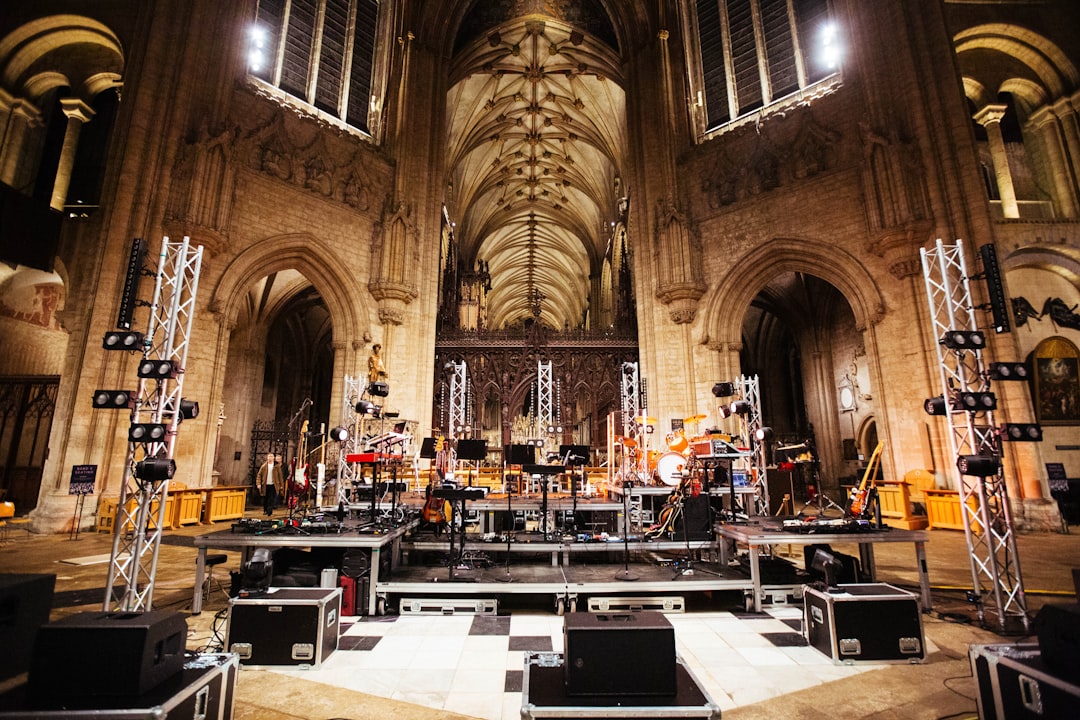
Event Day Starts Long Before the Doors Open
Event day can look surprisingly simple from the guest side, yet venue crews, production teams, ticketing staff, security, and hospitality teams usually start work many hours ahead. Doors may open at 7:00 p.m., while technical checks and staff briefings begin much earlier.
Good event day coordination starts with an agreed schedule. Venue managers need supplier arrival times and loading access details. Production crews need rehearsal periods and technical access. Ticketing teams need current guest records and working scanners. Security needs entry routes and capacity figures.
One late adjustment can affect several departments. An artist who arrives later than planned may require a revised sound check. A production delay may affect door time. Guest arrival patterns can require another entrance. Everyone needs current information.
Event day planning succeeds when people know their own responsibilities and understand how their work affects nearby teams.
Building One Communication System Across All Teams
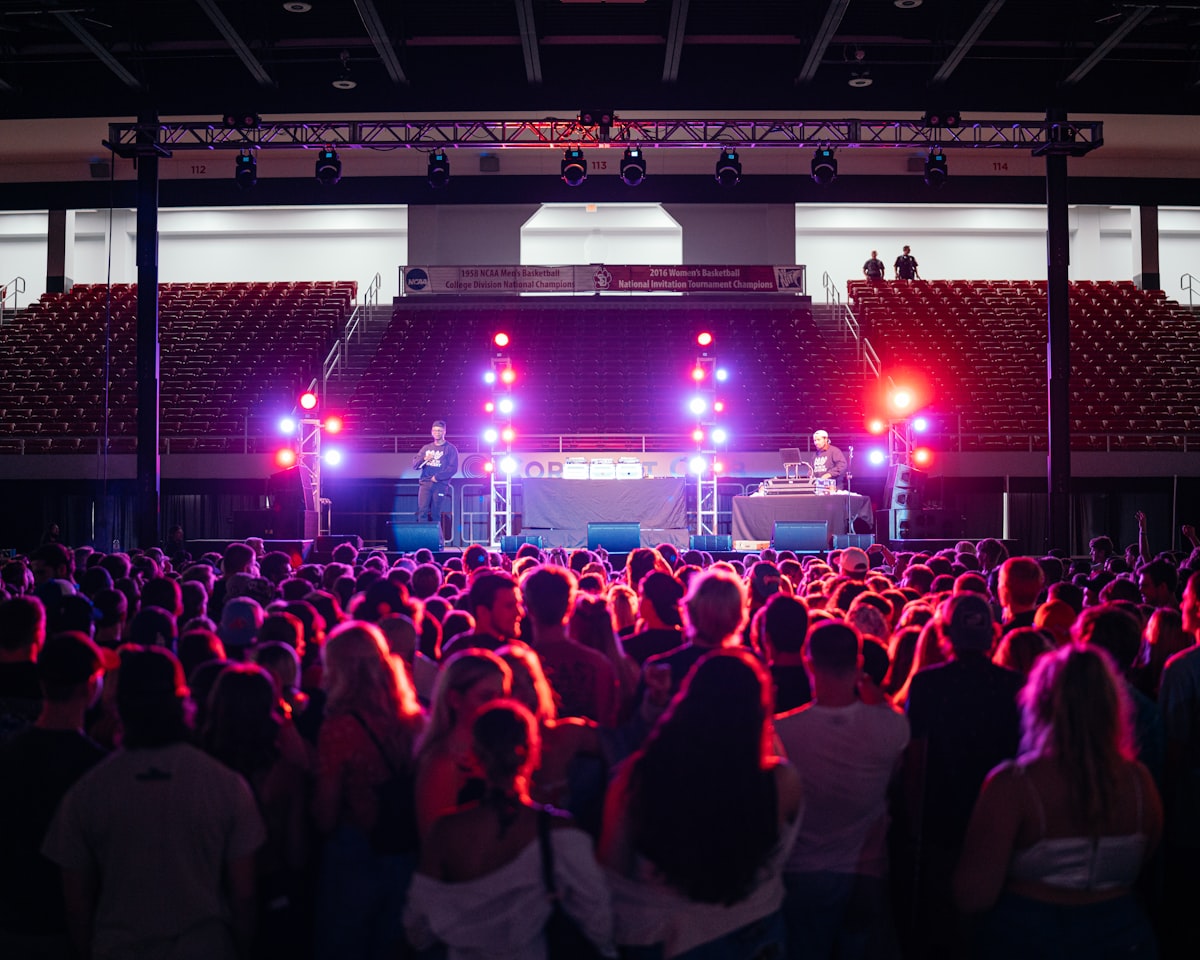
Communication becomes the working backbone once crews arrive on site, since decisions happen too quickly for long email threads or formal meetings. Radios often handle live operational calls. Messaging groups can support written updates. Call sheets give staff names and responsibilities.
Teams need clear rules for those channels. Production may use one radio frequency for technical calls. Front-of-house may use another for guest matters. Security can have direct access to the event manager for urgent issues.
Messages should stay short.
“VIP arrival moves to 8:15.”
“Gate two opens at 6:50.”
“Rehearsal ends at 5:30.”
Simple language saves valuable minutes. It also reduces the chance that three people interpret one instruction in three different ways.
Preparing the Venue for Guests, Crew, and Performers
Venue operations cover much more than opening doors, because staff must prepare public areas and operational zones for very different groups. Entry desks need devices and signage. Backstage areas need access lists and staff coverage. Performer routes need a clear passage.
Loading access deserves equal care. Technical teams may arrive with lighting equipment and audio systems. Other suppliers may have food or furniture. Their schedules need spacing so crews can unload safely and begin work on time.
Guest areas receive another set of checks. Restrooms and hospitality points need readiness. Emergency exits need inspection. VIP areas require staff assignments.
SEG’s current business model links venues and live production with digital admission inside one wider group, giving related teams a shared commercial base for event-day work.
Keeping Production on the Event Timeline
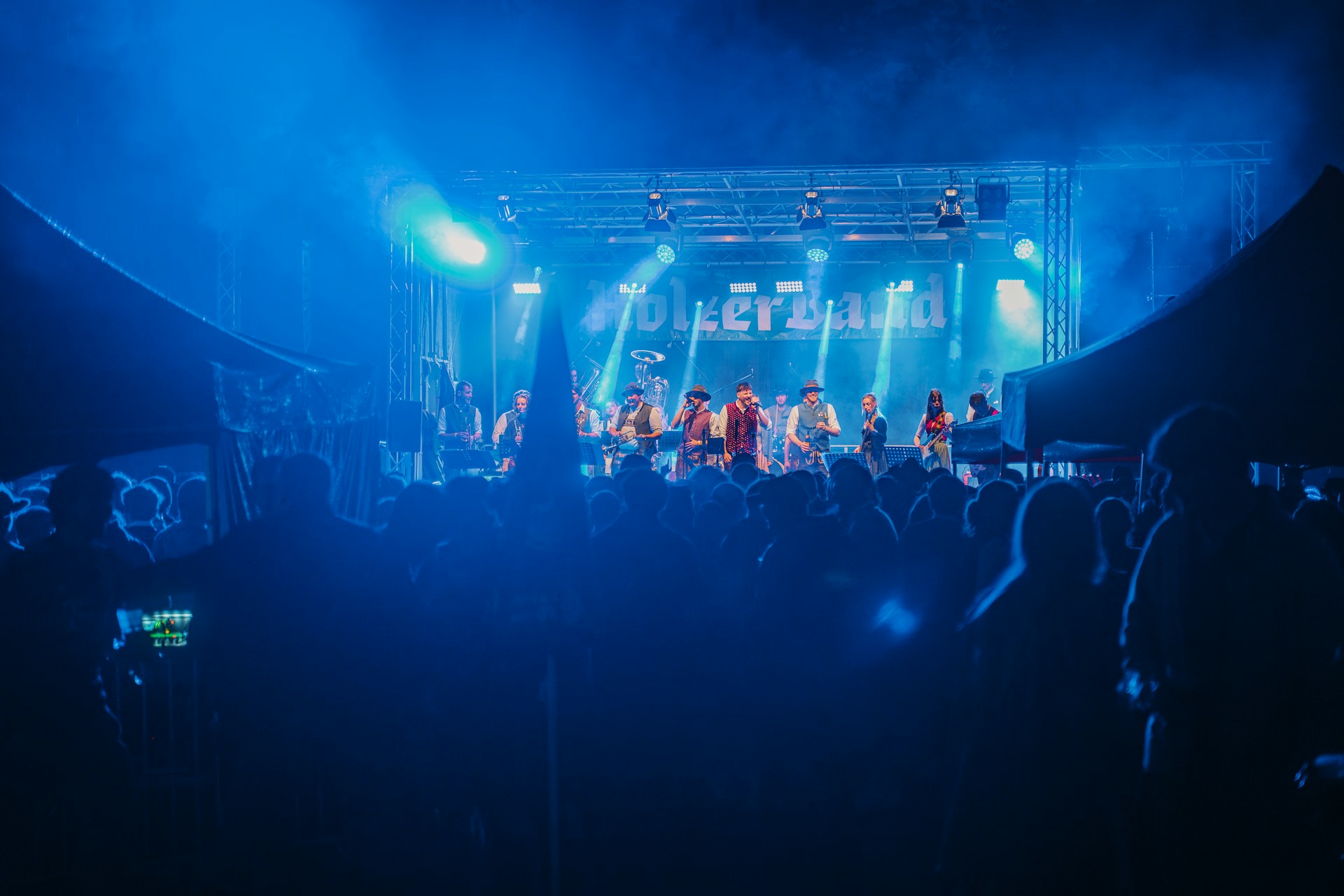
Production teams work from the run of show because stage activity depends on timing down to the minute. Sound checks and lighting cues need assigned periods. Speaker rehearsals and performer entrances need the same discipline.
Stage managers usually hold the clearest live view of program timing. Technical crews depend on their calls. Venue teams need updates when a major program change affects guest movement.
Small delays can travel quickly through the schedule. Ten extra rehearsal minutes may affect the doors. A longer speech can affect an artist's cue. A late technical check may affect the opening segment.
Fast decisions matter here. The event manager and production lead need enough authority to revise timing when conditions change.
Creating Fast and Reliable Ticket Access
Ticketing teams often have the first direct contact with guests, so their preparation can influence the opening mood within minutes. Scanners need tests well ahead of guest arrival. Staff need current attendee records and backup devices.
Different ticket categories may require different routes. VIP guests can use a designated entrance. Media credentials may require another check. Staff and performers can use operational access points.
Someone’s Ticket gives SEG a digital admission layer through QR-based entry and ticket management. The group’s dossier places ticket access within the same wider SEG network as venues and event production.
Ticketing becomes part of event operations when teams plan entry early instead of treating it as a final administrative task.
Managing Guest Entry With Clear Direction
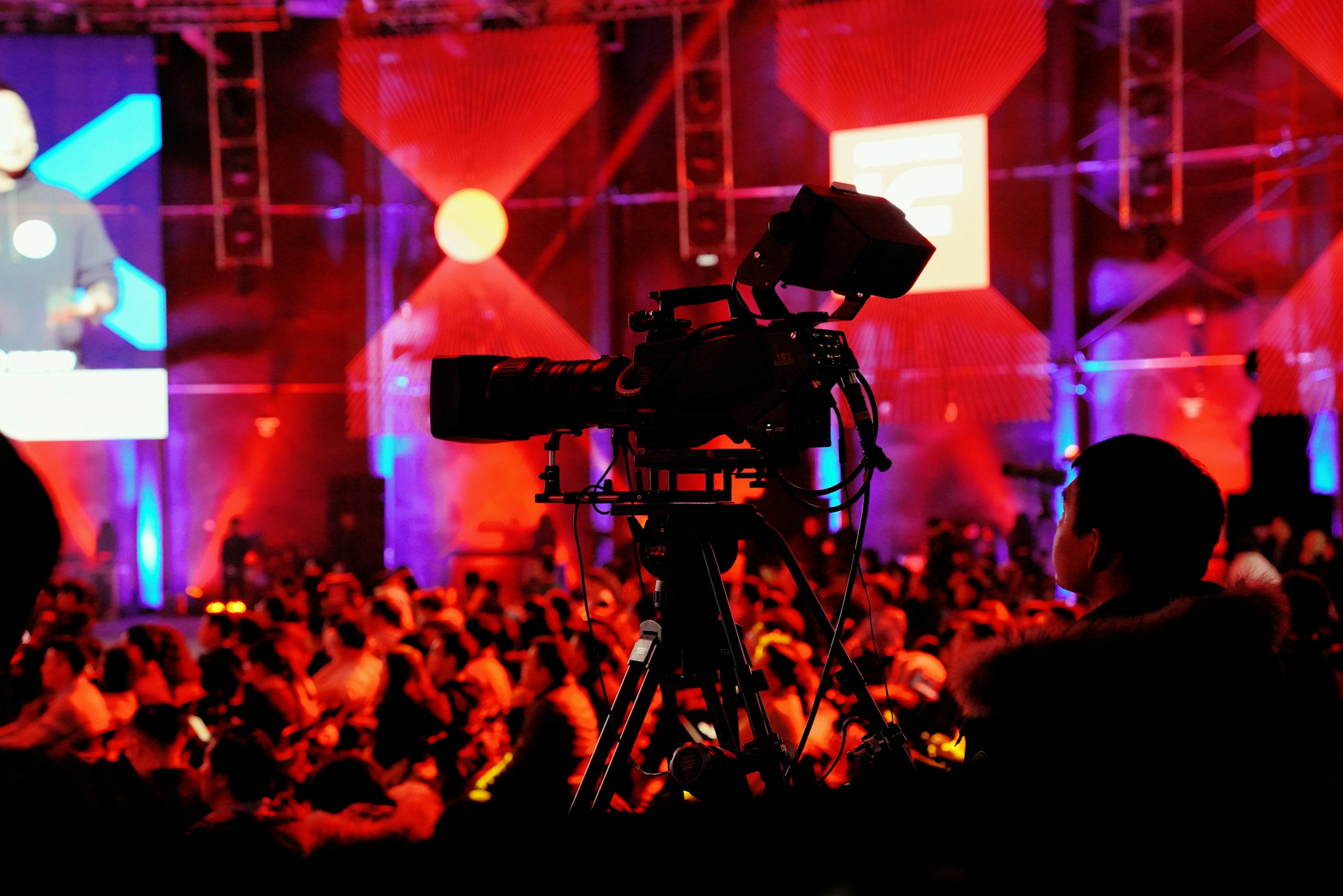
Guest entry changes quickly once people begin to arrive, especially when several hundred attendees reach the venue during the same short period. One entrance may fill faster. A group may arrive together. VIP transport may reach the site ahead of schedule.
Front-of-house teams need authority to react. Another scanner position can open. Staff can guide guests toward a quieter gate. Security can adjust queue barriers when arrival patterns change.
Clear direction usually works better than complicated signage alone. Guests want to know where to go and what they need to present.
Ticketing staff also need a clear escalation route. A QR issue should reach the right person quickly. Guest list questions need fast answers. VIP exceptions need confirmation from someone with authority.
Keeping Front-of-House and Back-of-House Teams Connected
Front-of-house staff see what happens around guests, while back-of-house staff see performer readiness and production timing. Both sides need regular updates because one area can affect the other within minutes.
Door delays may require a later opening cue. Performer delays can affect hospitality timing. Guest congestion near one zone can require another route.
The event manager connects those conversations.
Production teams should know when most guests have entered. Front-of-house staff should know when a major stage cue approaches. Security should know when performers move between backstage and public areas.
That connection keeps the live schedule grounded in what is actually happening on site.
Responding to Schedule Changes and Technical Problems
Live events involve real people and technical systems, so occasional changes are part of the job. Microphones may need replacement. Traffic may delay a speaker. Network access may affect a scanner. The weather can change outdoor plans.
Preparation gives teams options.
Technical crews should have backup equipment ready. Ticketing staff should know an alternate validation method. Event managers should have current contact details for key suppliers. Security teams should understand emergency procedures and capacity limits.
Decision ownership matters just as much as the backup plan. Staff need to know who can approve a schedule change or open another guest route.
Quick answers prevent small issues from consuming the entire team’s attention.
Coordinating the Final Exit and Post-Event Handover
Event operations continue after the final cue because guests still need transport access and crews still need a safe pack-down schedule. Venue teams manage public exits. Security monitors guest movement. Production teams begin equipment removal according to venue access times.
Exit planning deserves real attention. Large numbers of guests can reach parking areas or pickup points within a short period. VIP departures may need another route. Staff should remain in place until guest traffic reduces.
Post-event handover covers venue condition and equipment checks. Incident notes and attendance figures can follow. Lost property needs a clear owner.
Good records help the next production team learn from the night instead of starting from scratch.
How SEG Connects Event Day Operations
SEG’s operating model places several event-day disciplines within the same group, which gives clients access to venue capability and live production alongside digital ticket access. Someone’s Event handles event production and logistical delivery.
Someone’s Ticket manages digital admission. SEG’s venue portfolio provides settings for private and public programs.
That relationship can reduce unnecessary handoffs between unrelated suppliers. Production teams can receive venue information earlier. Ticketing staff can plan access around the actual property. Event managers can work with the same schedule used by front-of-house teams.
Guests rarely see any of this work.
They notice shorter queues. They notice good timing. They notice staff who have answers.
Crews notice something else. They know who to call. They know what happens next. They know which decision matters now.
That is what good event day coordination looks like.