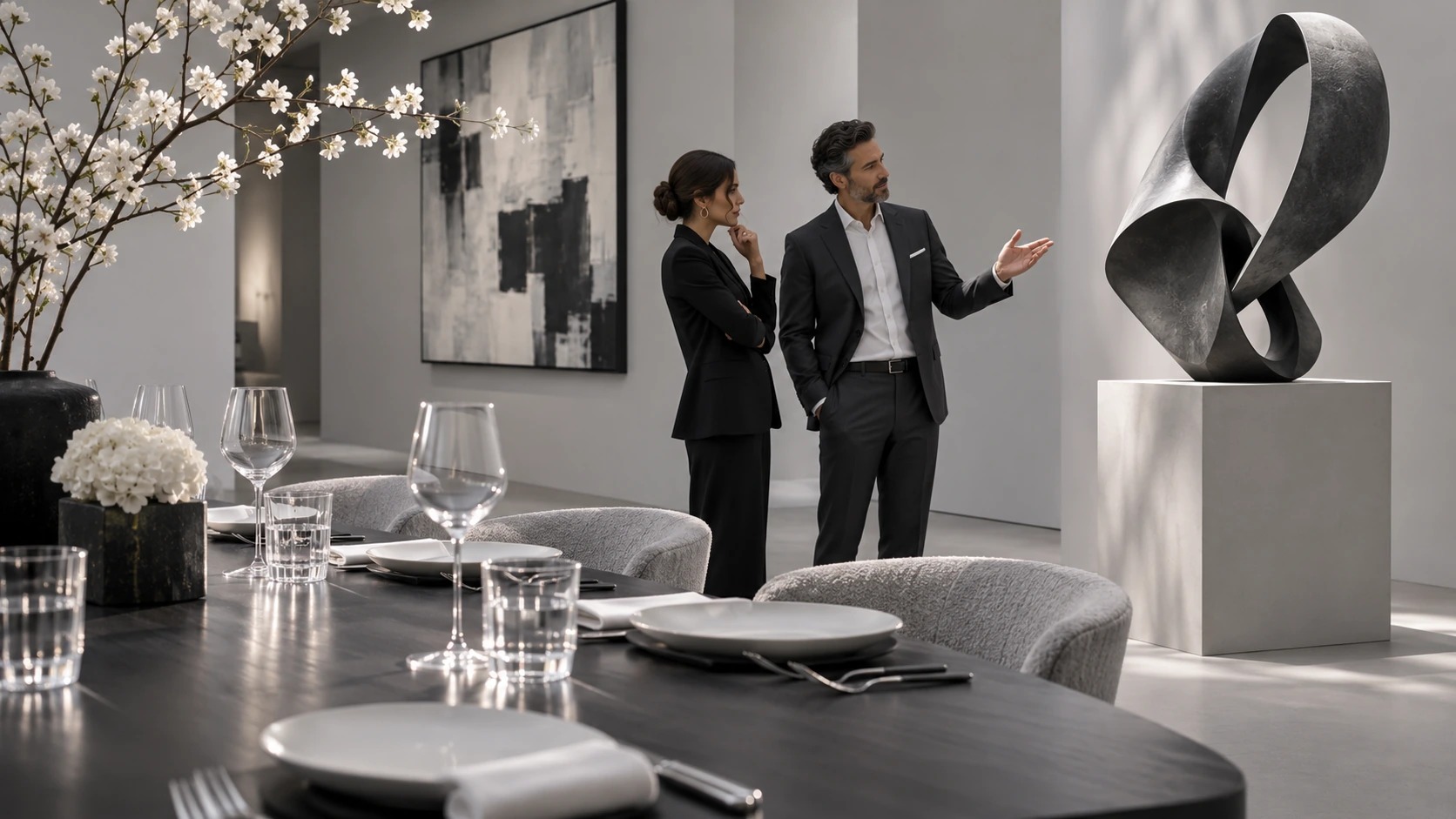
Dinner service and an artist’s presentation compete for the same attention when both occupy the same evening, so a host needs to decide when guests will eat and when they will listen. For a corporate invitation, the proposed sequence affects the space required and the professional work commissioned. Private event venues in Dubai offer several possible formats; within SEG’s portfolio, House and Backstage provide relevant starting points for that discussion.
SEG’s corporate description places group direction at headquarters level, with specialist businesses retaining their individual identities. Venue inquiries go to the relevant operator, whose current arrangements determine the proposal’s feasibility. Corporate hospitality tied to an exhibition involves a booking for space alongside paid artistic work. The buyer’s brief needs to describe both.

Choose the Program’s Main Activity
Hosts considering an executive dinner with an artist’s introduction need to assess how seated guests will see the speaker and any artwork presented. Dinner seating allows the host to address guests in a scheduled conversation. In an exhibition, guests spend time beside individual works and move through the display at their own pace. Decide which activity deserves the longer allocation.
For a proposed dinner, ask the venue team to assess the table arrangement against the presentation position. Guests seated along a long table may need to turn toward a speaker, which affects the proposed screen placement. If the artist plans to discuss physical objects, a nearby display position deserves review during the visit. Photographs alone offer limited evidence concerning the view from a particular seat.
Discuss House and Backstage in the Same Brief
Someone’s House’s public description includes private meetings and cultural uses, alongside optional technical services for the proposed booking. Its published FAQ describes a venue available for temporary events and appointment-based visits. For an executive dinner, the initial discussion can address the hospitality format and the intended conversation. Current date availability belongs in that discussion with the venue team.
Someone’s Backstage’s published description includes exhibitions and presentations, with layouts assessed against the program’s requirements. It identifies a paired relationship with House, which makes a combined proposal worth discussing when a private viewing precedes dinner. Ask which spaces the offer covers and how guests would move between them. Confirmation needs to come from the operator for the actual event; the public description supplies an introduction to the inquiry.
Commission the Artistic Work
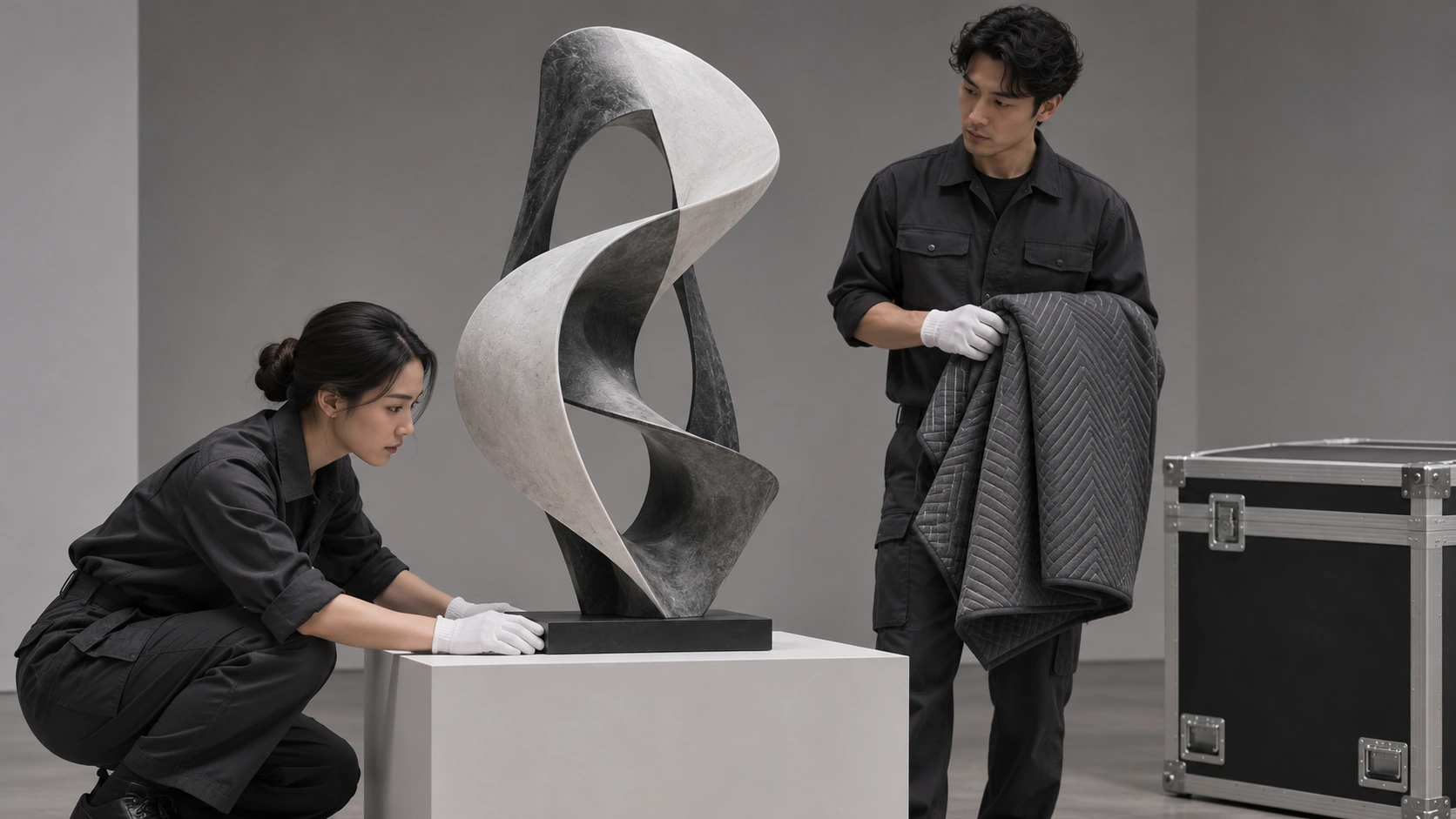
For a private presentation built around an artist’s work, the buyer needs to distinguish the artist’s attendance from the work involved in preparing the display. Agree whether the assignment includes a conversation with guests or a longer presentation. Exhibition preparation deserves its own scope, particularly where specialist handlers are needed. The venue team can assess the curator’s proposed arrangement against the available exhibition area.
In a small sculpture preview, for example, transport arrangements affect the access period as much as the evening’s guest schedule. Ask the appointed specialist to describe the handling requirements and the proposed display supports. Any installation method requires the venue’s acceptance, with suitable professional review for the work involved. Record who receives the objects and who authorizes their collection after the event.
Test the Layout Against the Actual Activity
Britain’s Health and Safety Executive treats audience arrangements and circulation as inputs to venue assessment in its venue-design guidance. It identifies emergency exits as a possible capacity limitation. For a Dubai proposal, qualified local professionals and the venue operator need to assess the applicable requirements. The British guidance provides planning context; project approval remains a separate local matter.
Ask for a layout showing the exhibition furniture alongside the proposed guest arrangement, so the operator can review the occupied space. Throughout the reception, display plinths occupy floor area where visitors may gather around the artwork. If dinner furniture moves into the same area later, the proposal needs an agreed changeover period. Staff access during that change deserves the operator’s review.
Keep the Dinner and Presentation on an Agreed Sequence
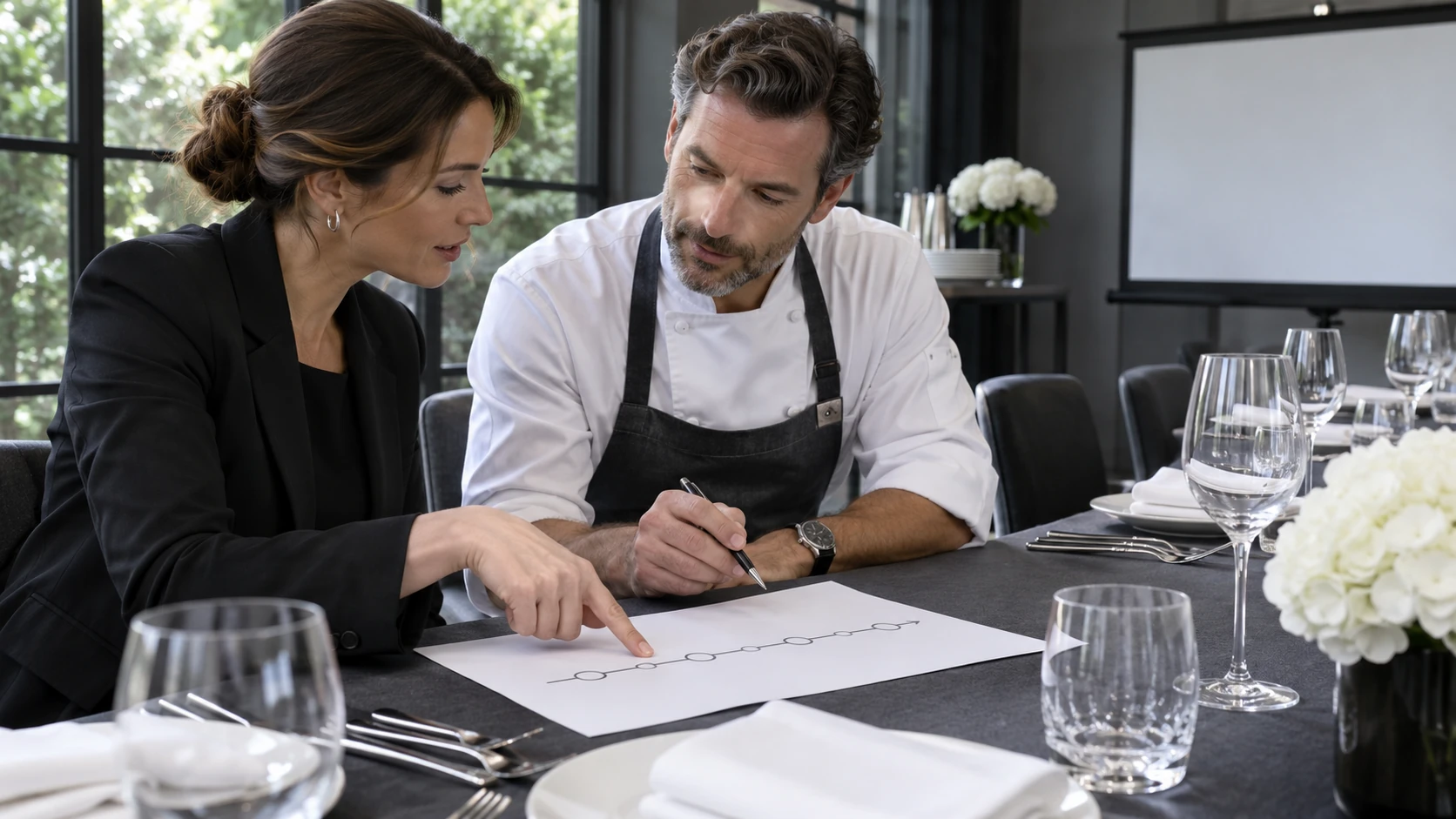
When a host schedules a spoken introduction between courses, the chef needs the proposed duration in time to assess the service plan. Ask the producer to discuss the microphone arrangement with the venue’s technical contact. Test the actual presentation file for image legibility from the proposed audience positions at rehearsal. Resolve changes with the host’s appointed contact ahead of the guest period.
For a reception followed by dinner, allow the venue team to explain how the transition works within the proposed layout. Guests may continue discussing work when the host is ready to begin the meal. Agree on the host’s invitation to dinner as the service team’s cue for the next activity. The written schedule needs to record the arrangement accepted by both teams.
Treat the Invitation as a Specific Access Plan
House’s published FAQ describes admission against a host-supplied guest list and places event photography at the host’s discretion. For a corporate cultural program, agree the approved attendance list alongside the recording instructions. If an invited photographer attends, specify the portions available for photography and the intended use. The host’s instruction needs to reach the appointed photographer within the commission.
HSE’s crowd-management guidance treats entry and departure as distinct planning periods, with attention to queues and routes. In a private program, admission arrangements still need to fit the venue’s assessed layout. Ask the operator how guests will be received within the confirmed plan. Invitation-only attendance describes who is expected; the event’s safety arrangements require professional assessment.

Send a Proposal the Venue Team Can Assess
Prepare a venue inquiry that states the intended cultural activity alongside the requested hospitality format, then include the proposed date and guest count. House’s inquiry route covers private venue discussions and accepts Backstage requests within SEG’s referral arrangements. Ask the team to confirm the appropriate space and the commercial scope for the proposal. Group-level partnerships belong with SEG’s corporate office; the relevant subsidiary handles the venue agreement.