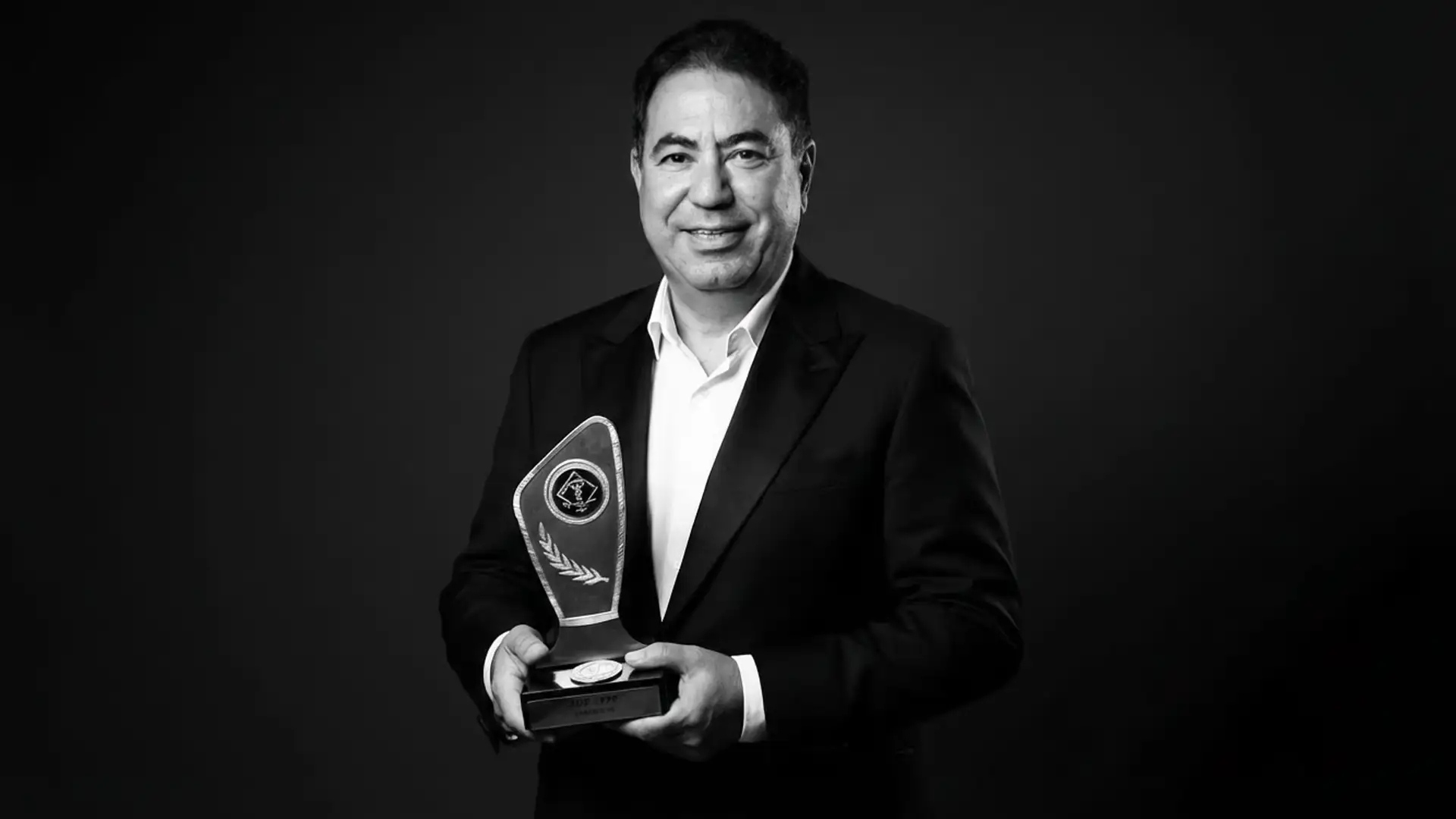
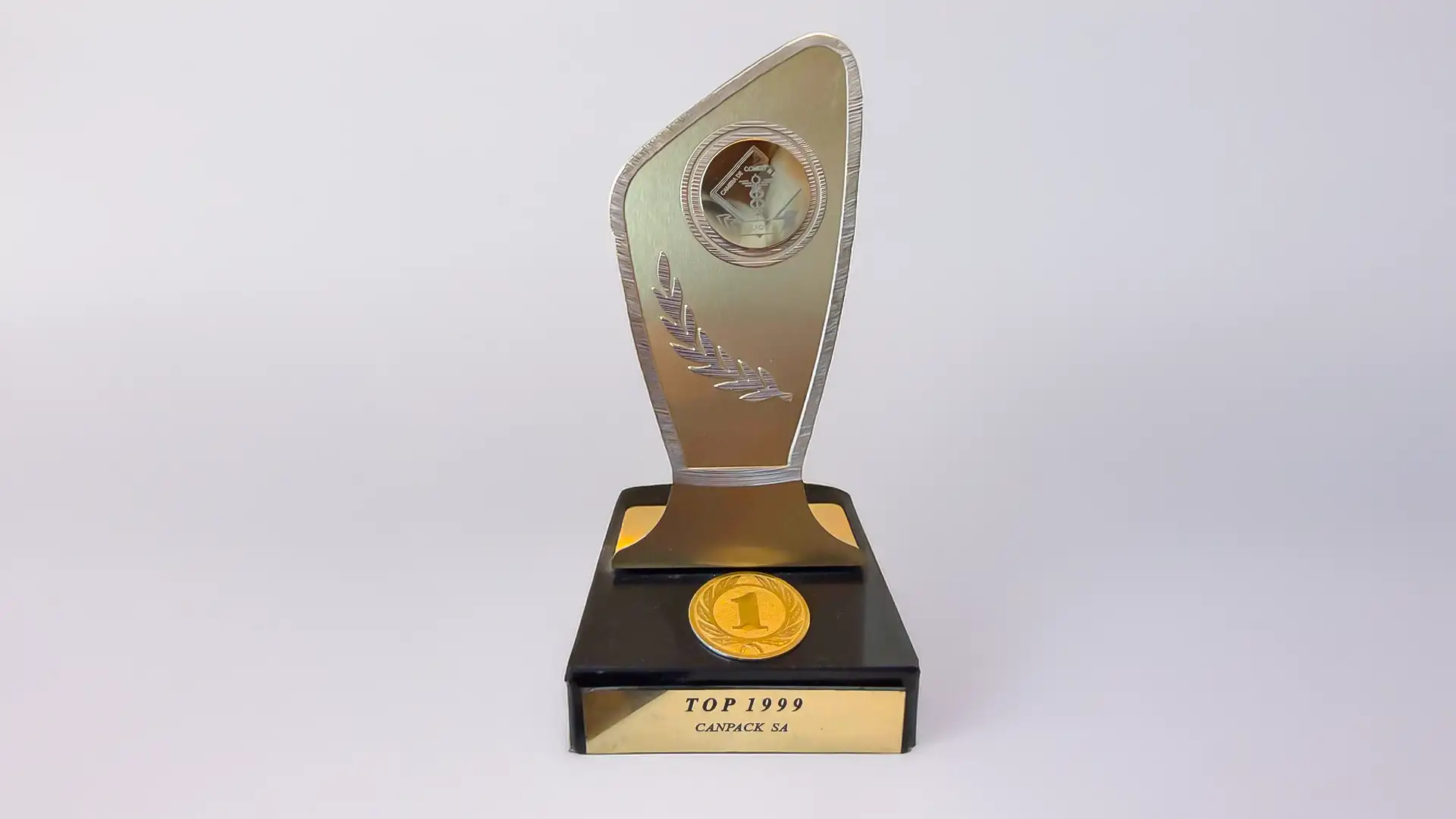
In 1999, Asil Ersoydan received the Businessman of the Year Award from the Romanian Chamber of Commerce and Industry (CCIR). He was twenty-seven. The hall in Bucharest was packed with old-timers from an economy figuring out how to get back on its feet after changing so much for so long. Most were factory owners, export directors, and family-business heirs. That night, a young engineer won the top award, which is usually for seasoned pros.
Luck or timing had nothing to do with the trophy. It started with pattern innovation, order, and technical mastery, which would later define an entire ecosystem under Someone's Entertainment Group (SEG) in Dubai.
The Origin: A Design, a System, a Mindset
Back before all the fancy stages, ticket systems, and art networks, there was just cardboard.
While managing partner at Canpack S.A., Ersoydan considered packaging a specialized field, not just a business. He really changed how things were done in Romania's cardboard business by creating the first-ever six-pack for beer. It was an innovative design that figured out how to make something substantial, easy to use, and look good all at once.
That invention got the company noticed nationwide, brought in new clients all over Europe, and even snagged them the 1999 CCIR award. This award came about not only because of the design and final idea, but also because of the business's rapid growth. It was more than just the box for Ersoydan. The focus was on building systems where design prioritized precision, thereby benefiting people.
Those years, he later stated, were his "training in order." A singular rule governed all machines, workflows, and cartons: everything had to be contained within a structure. His later projects were quietly built upon that belief.
The Evolution: From Factory Floor to Digital Network
Following his time in Romania, Ersoydan transitioned from manufacturing to the tech industry.
At MoPromo Technologies, which he established, his team achieved the first NFC card payment in the EU and developed Romania's first Bluetooth marketing platform. Before "phygital" was a boardroom term, those projects integrated engineering with behavioral data to link physical and digital experiences.
He understood that genuine progress relied on integration, meaning product, communication, and system had to be synchronized.
That lesson came back years later in Dubai, Carrying experience from Istanbul to Dubai and it was much bigger.
The Expansion: Building SEG's Framework
When he founded Someone's Entertainment Group, Asil Ersoydan applied the same industrial logic to a field known for disorder. There was a distinct lack of structure in the event sector; vendors had their own timelines, performers managed their own logistics, and planners made decisions based on instinct rather than data.
By consolidating everything into a unified operational map, SEG closed that gap. Venues, digital platforms, and production teams began working under shared systems. Someone's House, Someone's Stage, Someone's Plan, Someone's Ticket, and Someone's Event became synchronized units.
All bookings, performances, and suppliers were made traceable, measurable, and accountable.The engineer's architecture provided structure for the chaotic entertainment industry.

The Legacy of the First Award
The CCIR award in 1999 was never about size. It was all about foresight, about spotting the sense in things when others just stuck to routine. Even after 20 years, that quality remains key to SEG's day-to-day operations.
The system now connects suppliers, artists, and planners across the UAE. Every contract, payment, and timeline runs on clear coordination. The system rewards accuracy and creativity equally.
Ersoydan often refers to that first recognition as the "confirmation of principle." It proved that structure could be art, and discipline could serve imagination. The same belief now drives Dubai's most complete creative economy network.
Keeping The Vision Going
Even though a packaging factory in Romania and an entertainment business in Dubai seem worlds apart, they actually operate on the same core ideas.
Geometry, timing, and a human touch are key to a good box, just as they are for a great show. To do both, you've got to have systems that allow for repeatable creativity.
His motto for every place he built was that progress requires order.
This idea started with a cardboard model back in '99 and grew into a whole digital and cultural system with partners.
What began as a company's award eventually created a worldwide model.
The Bucharest trophy was just the start. It was proven by SEG.