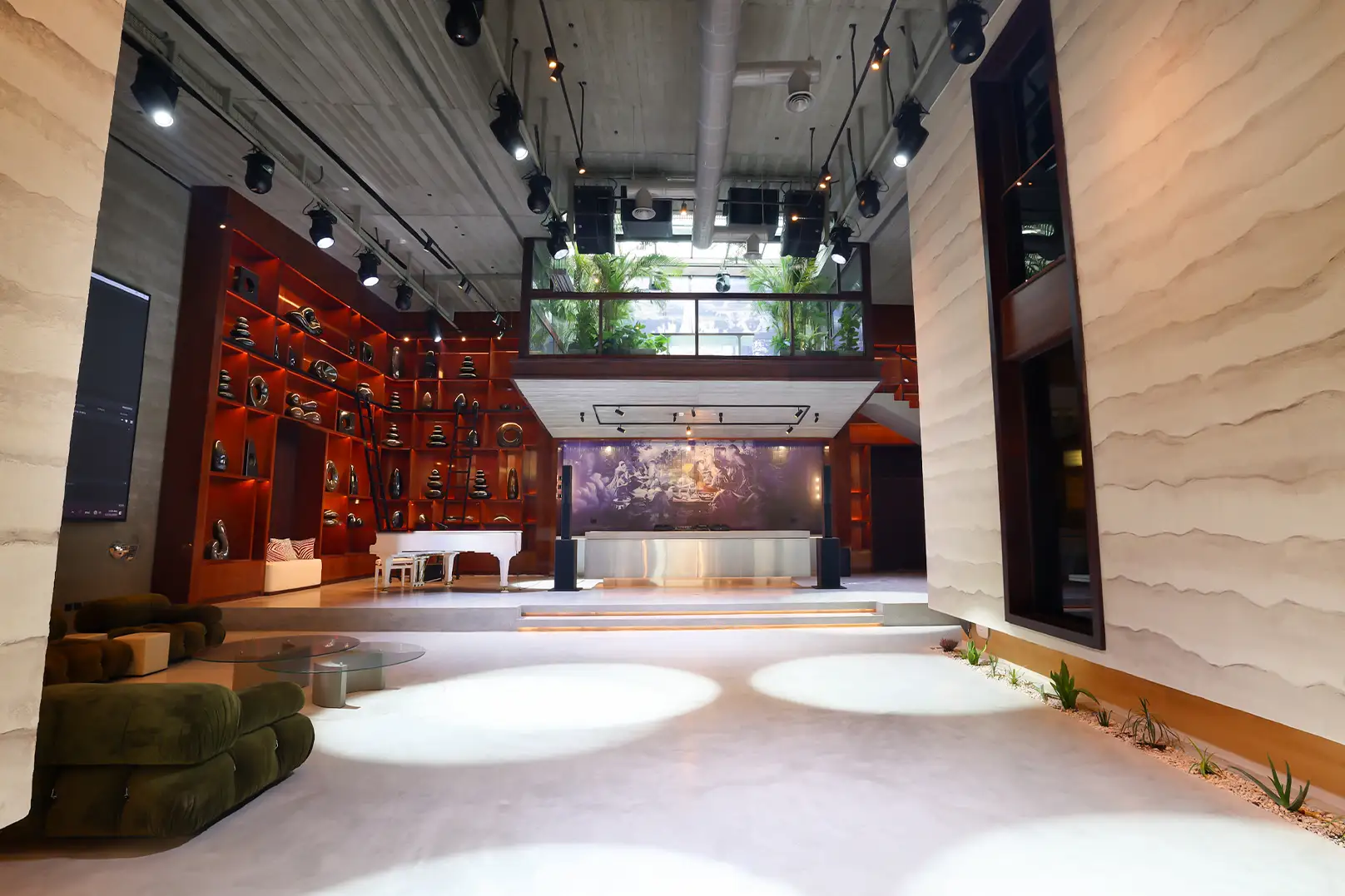
The Story Is Shaped by Spatial Choices
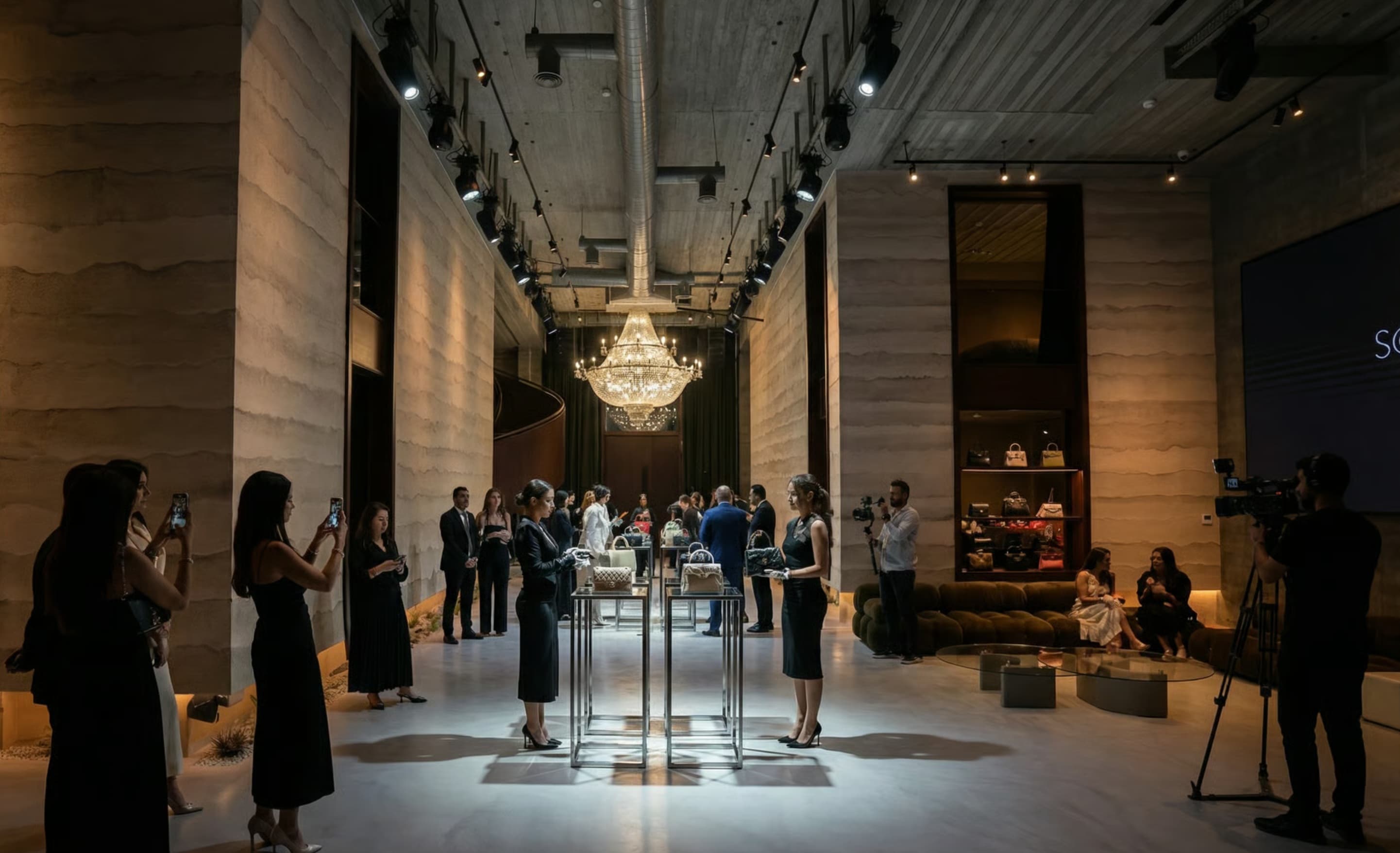
The environment communicates even before any presentation begins. Tone is influenced by materials, proportions, light, and layout. Visitors see a message before they receive it.
The location naturally establishes expectations. The height of the ceiling influences energy usage. Hallway width is a signifier of pace. Your mood is impacted by the entry sequence. While these factors do not change during the event, their consequences keep developing as time passes and attention is paid. Narrative structure is determined by architectural logic.
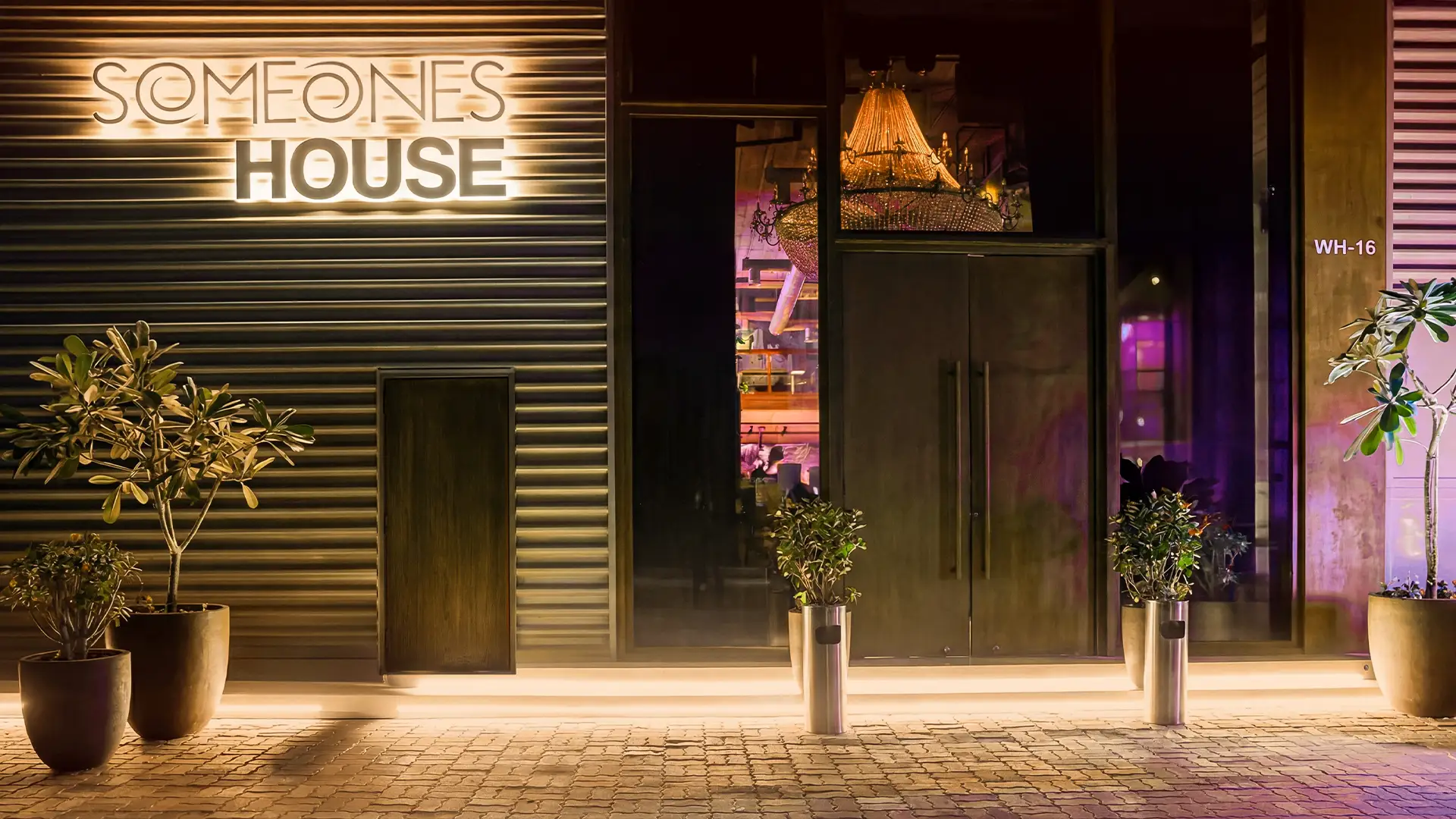
Interaction Is Guided by Floorplans
How far apart seats are influences conversation. Where food stations are set up controls break times. The initial focus of guests' attention is shaped by the angles of the lighting.
Where guests walk, how long they stay, and which objects they encounter result from design, not accident. One misplaced barrier redirects hundreds of guests. One sightline shift changes which brand asset receives attention. A secondary sphere of influence opens up for event producers who view architecture as content.
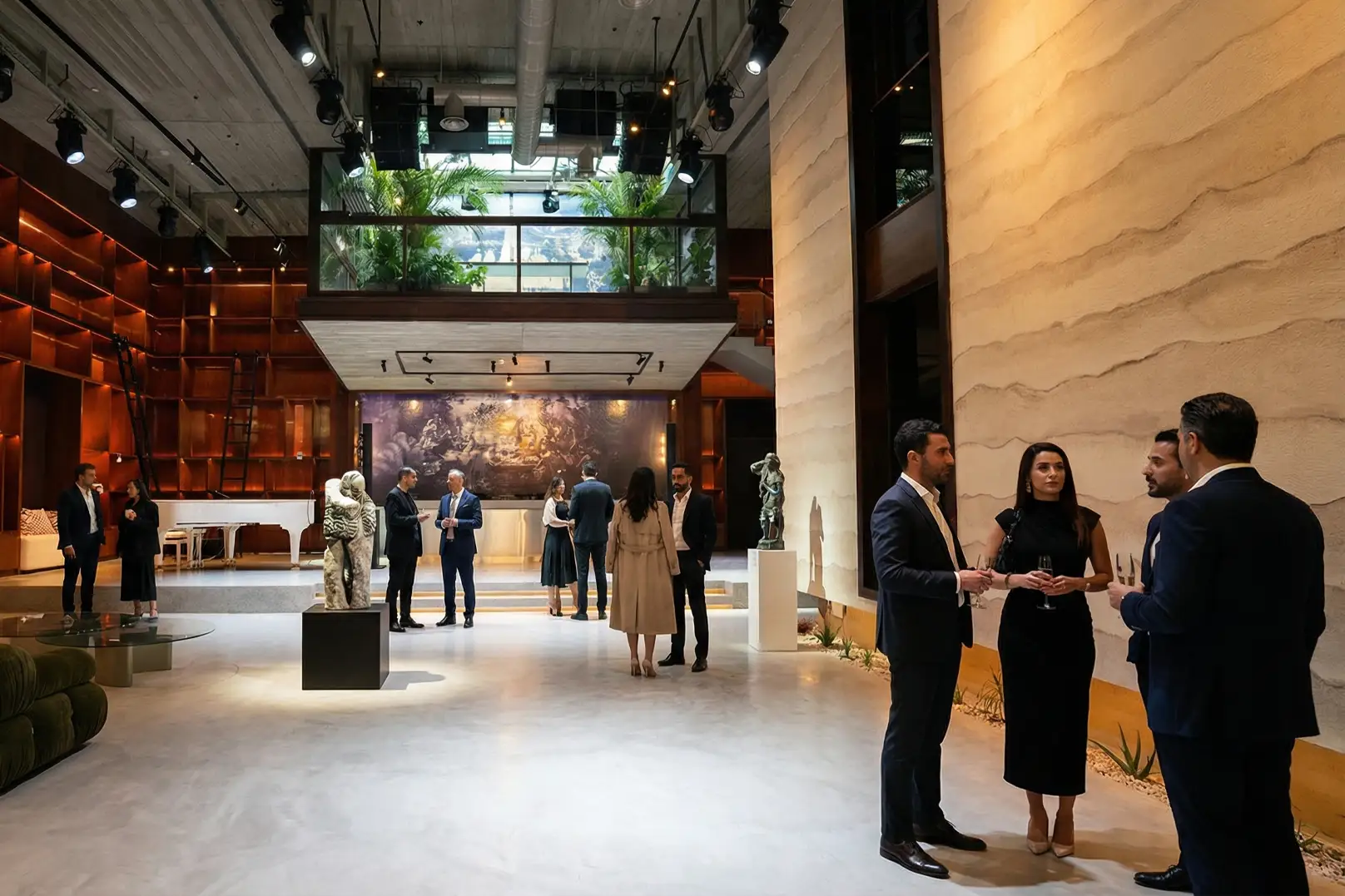
What's Chosen Shows the Intent
Permanence is symbolized by stone. Authority can be symbolized by steel. Wood softens tone. Fabric diffuses tension. Each choice pushes emotion in a direction.
Guest responses begin before they register the reason. Texture underfoot, scent in the air, acoustic dampening above—these shape comfort. And comfort shapes perception.
For brands that value physical interaction, the foundation lies in material integrity.
Temporary Structures and Permanent Impressions
Modular walls, suspended lighting grids, truss towers, inflatable chambers—temporary elements carry the full responsibility of storytelling. Their lifespan may end with the load-out, but their effect on memory stays fixed.
Guests recall how it felt to pass under a three-meter arch. Or to gather in a circle where all walls curved inward. These visuals require no commentary. The building managed the situation.
Effective architecture speaks for itself.
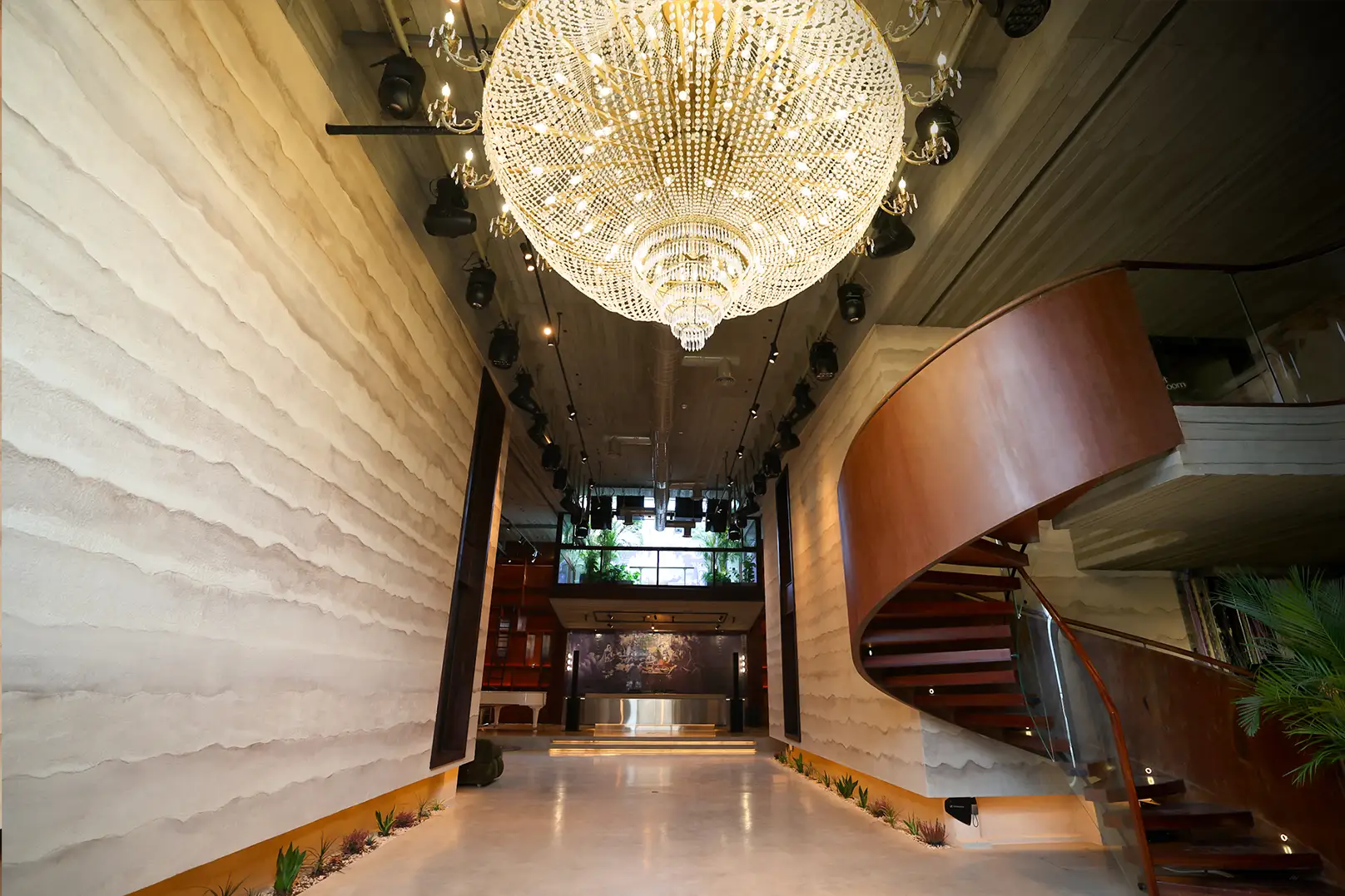
Transitions Within Space
Movement between rooms, elevation changes, shifts in ceiling height, these become editorial decisions. They create chapters. They punctuate content.
A guest descending a staircase into a new scene experiences a reset. A curtain opening onto a skylit lounge changes tempo. Directional light cues draw guests forward or invite them to stay longer.
Physical momentum also conveys stories, in addition to visuals and scripts.
Memory Is Spatial for Brands
Guests link emotions to spatial memory. The quietness of a corner booth. The openness of a central atrium. The warmth of filtered light during a product reveal.
Spatial context locks meaning in place. A brand statement inside a cold warehouse reads different from the same message inside a courtyard at sunset.
Memory prefers spatial anchors. Event architecture provides them.
Architecture Carries the Brand Without Saying Its Name
Marble and quietude convey the luxury brand's message without logos. A tech launch does not require slogans when concrete, LEDs, and height deliver immediacy.
Architectural choices strip language to its core. They work without the support of copy, voiceover, or social content. They cannot be turned off. That permanence becomes part of the message.
A well-designed venue creates an unspoken understanding between hosts and guests.
The Venue is a Medium
In brand events, the venue becomes part of the communication system. It takes inputs: light, crowd, sound, and filters outputs: emotion, behavior, memory.
Treating the venue as a technical asset only limits its role. Treating it as content expands the field. Space stops being a container. It begins to operate like a story.
That shift changes everything. For producers. For creatives. For guests. For brands.