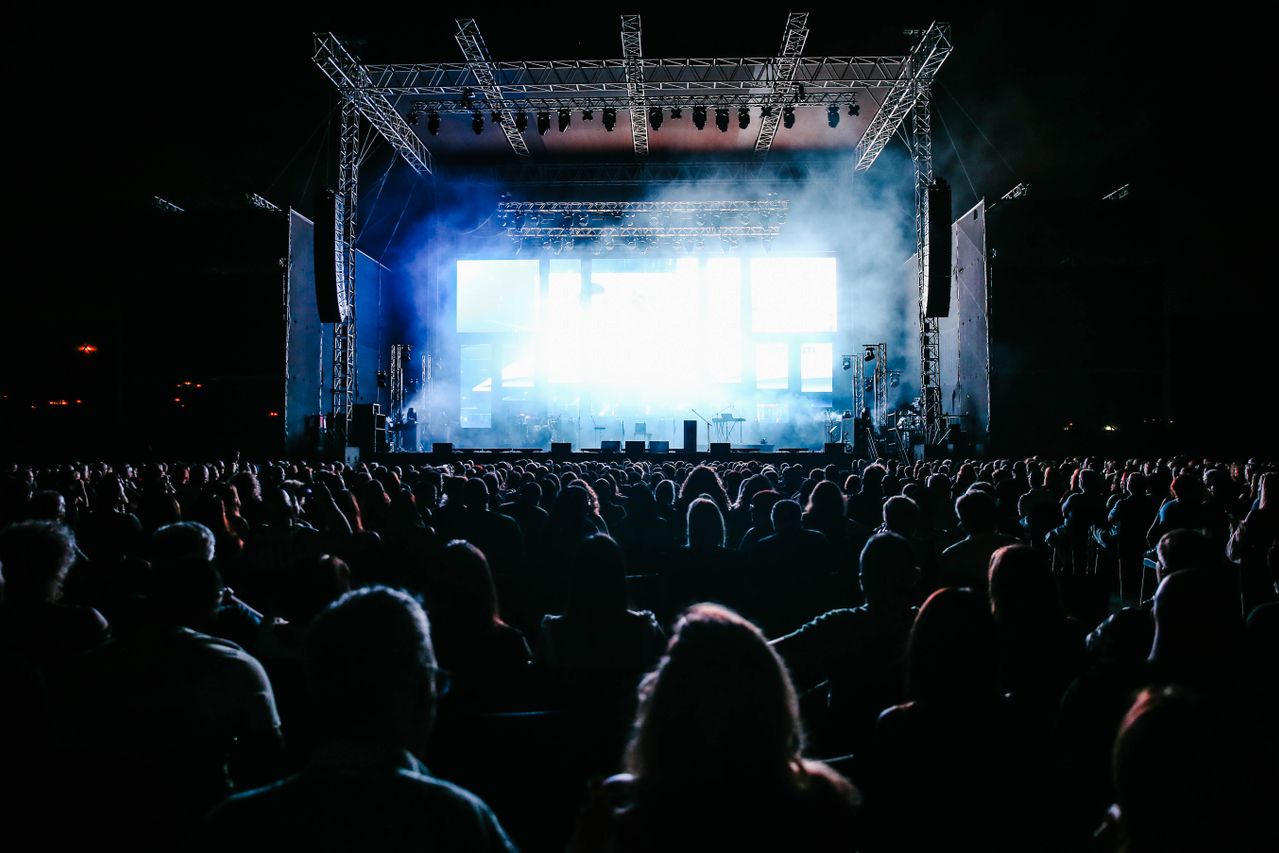
Modern brands spend enormous amounts of time trying to earn attention. Yet, live events offer something far more valuable: direct human contact between a company and the people it wants to reach. Screens can introduce a message.
Advertising can repeat it. Social media can distribute it. Live events give people a
chance to meet the brand in person and form their own impressions.
That distinction matters.
People remember what happened to them far better than what appeared in another feed. They remember who greeted them. They remember a conversation. They remember the product they held and the performance they watched. Human memory gives physical moments a different status.
For brands, that creates an opportunity worth taking seriously.
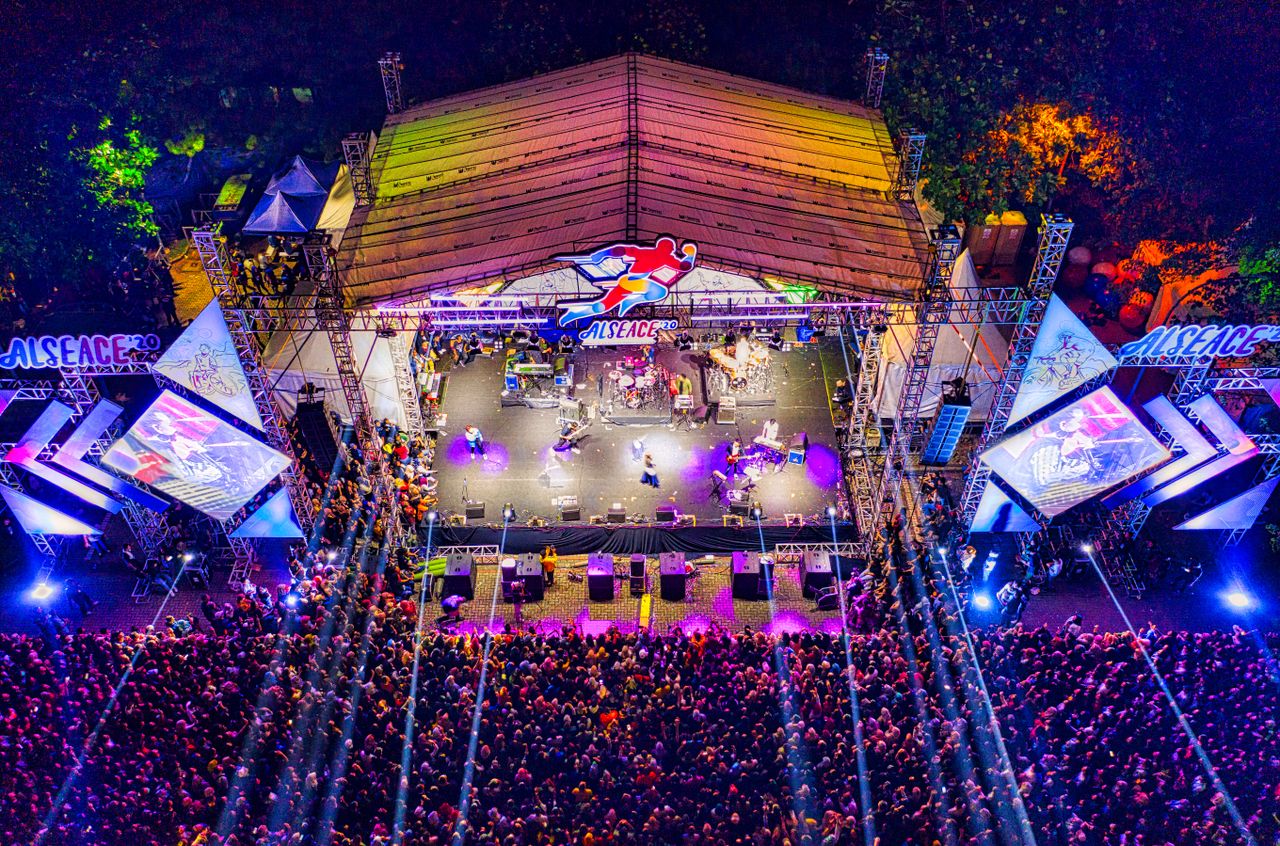
Why Live Events Matter for Modern Brands
Marketing now reaches consumers through countless digital channels, yet most online interactions occur quickly and compete with dozens of other messages in the same minute. Live events remove some of that distance. A person enters a physical setting and gives the brand real time.
That time has value.
Brand teams can use live events for product launches, corporate gatherings, cultural programs, customer meetings, or public activations. The format changes according to the goal. The basic advantage remains the same: people spend time with the brand instead of scrolling past it.
Good live events respect that time. They give guests something useful, enjoyable, or worth discussing. The brand earns attention through participation.
How Live Events Build Emotional Brand Connections
Emotion often comes from small details rather than grand gestures. A warm welcome can set the tone. A thoughtful product demonstration can make a company feel more human. A shared laugh during a performance can create a connection faster than a long campaign.
Brands gain strength when people attach a real feeling to the name.
Live events create room for that bond because people react in real time. They ask questions. They meet the staff. They see how the company behaves when there is no edit button.
Authenticity becomes visible.
A customer may forget a slogan within a day. A good conversation can stay in memory for years.
Making Brand Messages into Highly Memorable Occurrences
Brand messages usually begin as words. Values. Promises. Product claims. Mission statements. Live events give those ideas physical form.
A brand that talks about innovation can let guests test a new product directly. A company that values hospitality can prove it through service. A business that wants to feel close to its customers can create a smaller event where real conversations happen.
People then judge the brand through behavior.
That makes live event planning more demanding, but also more valuable. The message has to work in real life.
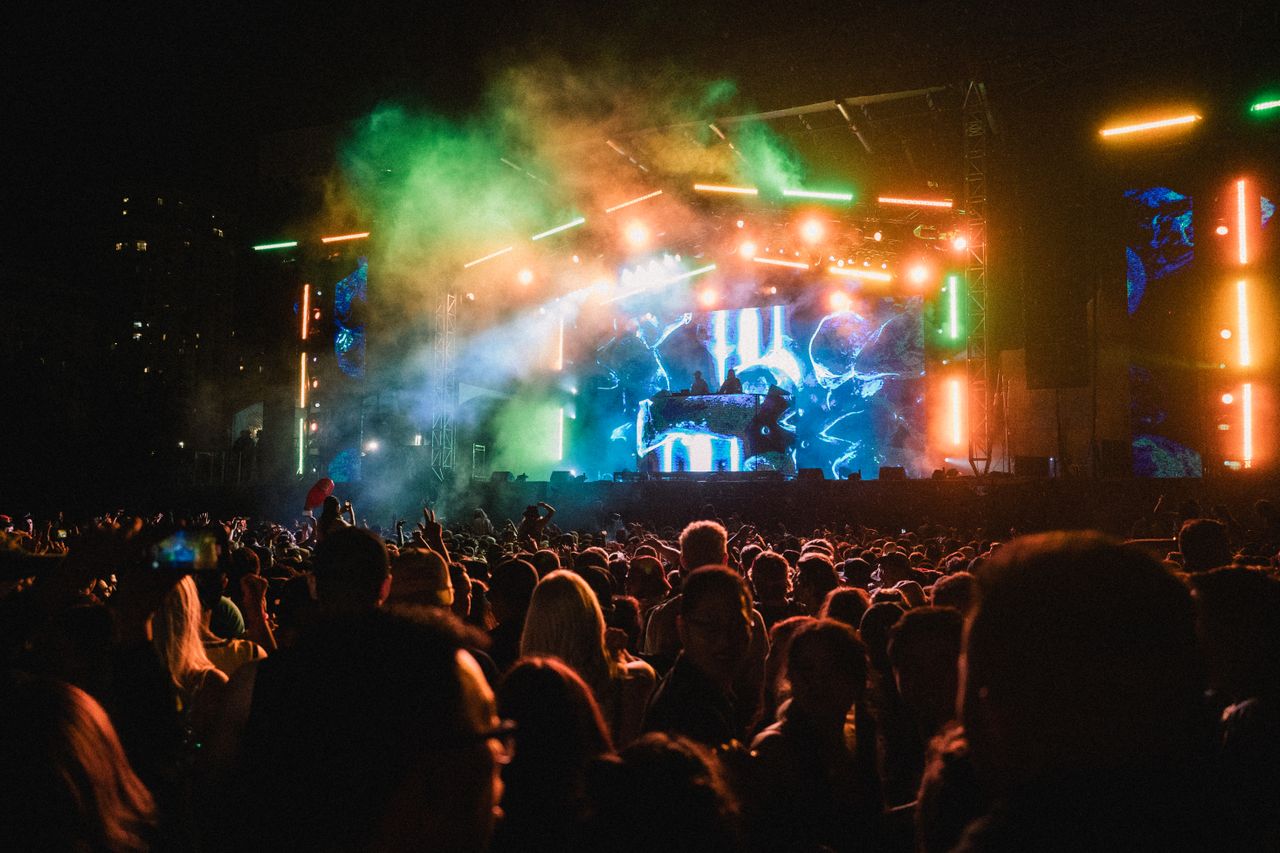
Why Face-to-Face Contact Builds Brand Trust
Trust grows faster when people can see who sits behind the company name. Live events give customers direct access to employees, founders, speakers, and product teams.
Questions get answered in the moment.
Body language matters. Tone matters. Patience matters.
People notice how a company treats them when something takes extra time. They notice who listens. They notice who remembers their name.
Those small interactions can carry more value than polished advertising because they feel personal.
Brand trust rarely comes from one giant statement. It grows through repeated proof.
How Immersive Formats Improve Brand Recall
Physical environments can help memory because people connect ideas with sound, movement, scent, texture, and social interaction. A product launch in a carefully planned setting can give the brand many touchpoints at once.
Guests may remember the music linked to a product demo. They may remember the lighting used during the introduction. They may remember the person sitting beside them when the main moment happened.
Memory builds through context.
That is why strong event planning looks far past decoration. The physical setting needs to support the brand message and the guest’s natural behavior.
Moving From Passive Audiences to Active Participants
Participation changes how people relate to a brand. Watching creates awareness. Taking part creates personal investment.
Live brand events can let guests test a product, vote on an idea, join a workshop, take part in a performance, or speak directly with the team.
The key lies in relevance.
People participate when the activity gives them a reason. Forced games rarely help. Useful participation does.
Once someone contributes to the event, the brand becomes part of a personal memory rather than a distant company message.
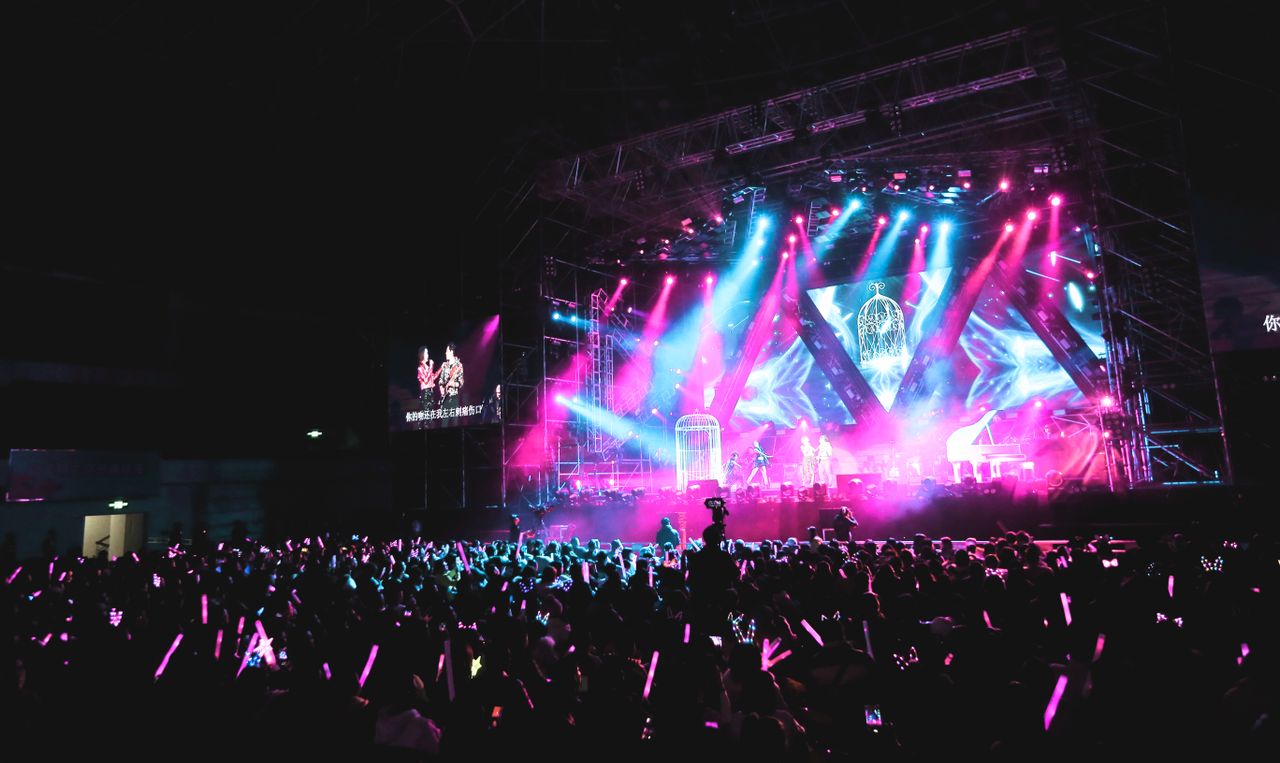
The Role of Story in Live Brand Events
Strong brands usually have a point of view. They know what they believe and why they exist. Live events give those ideas a physical sequence.
The guest arrives. The setting introduces a tone. The program develops the idea. The main product or message receives its own moment.
Good event planning uses that sequence with discipline.
Brand storytelling works best when guests understand the message through what happens around them. Long speeches can say less than a carefully planned demonstration.
People like to discover meaning for themselves.
How Brand Activations Strengthen Customer Loyalty
Brand activation works when customers receive something valuable from the interaction. That value may come from access, education, entertainment, or personal contact.
Loyalty grows when people feel recognized.
Existing customers can receive private previews. Long-term clients can meet senior leadership. New customers can ask questions directly.
Those moments give the relationship more depth.
Companies often spend heavily to acquire new customers. Live events can help protect existing relationships. That deserves equal attention.
Developing Opportunities for Extended Engagement and Recall Post-Event
Guests naturally share moments they genuinely enjoy. Photos and short videos can extend an event’s reach far past the people physically present.
Brands benefit when sharing feels voluntary.
A visually interesting setting helps. A surprising performance can help too. Useful information may travel even further.
Social content created during live events often feels more credible because viewers see real people responding in real settings.
One guest can become a distribution point.
The event then continues online through personal posts and conversations.
How Live Events Build Brand Communities
Community grows when people meet one another around a shared interest. Brands can create those meetings.
Customers meet other customers. Creators meet partners. Employees meet clients. Conversations start that would never happen through an advertisement.
The brand becomes the reason people come together.
That position can be incredibly valuable.
A good community event gives people reasons to return. Regular gatherings build familiarity. Familiarity strengthens trust.
Over time, customers can begin to associate the brand with people they know and moments they value.
Why the Human Side Still Matters
Technology keeps changing marketing, yet people remain people. They still value eye contact. They still remember kindness. They still respond to good conversation and shared emotion.
Live events use those basic human habits.
Experiential marketing works when it feels less like marketing and more like a meaningful exchange. The company offers something worth a person’s time. The guest responds with attention.
Fair exchange. Simple idea.
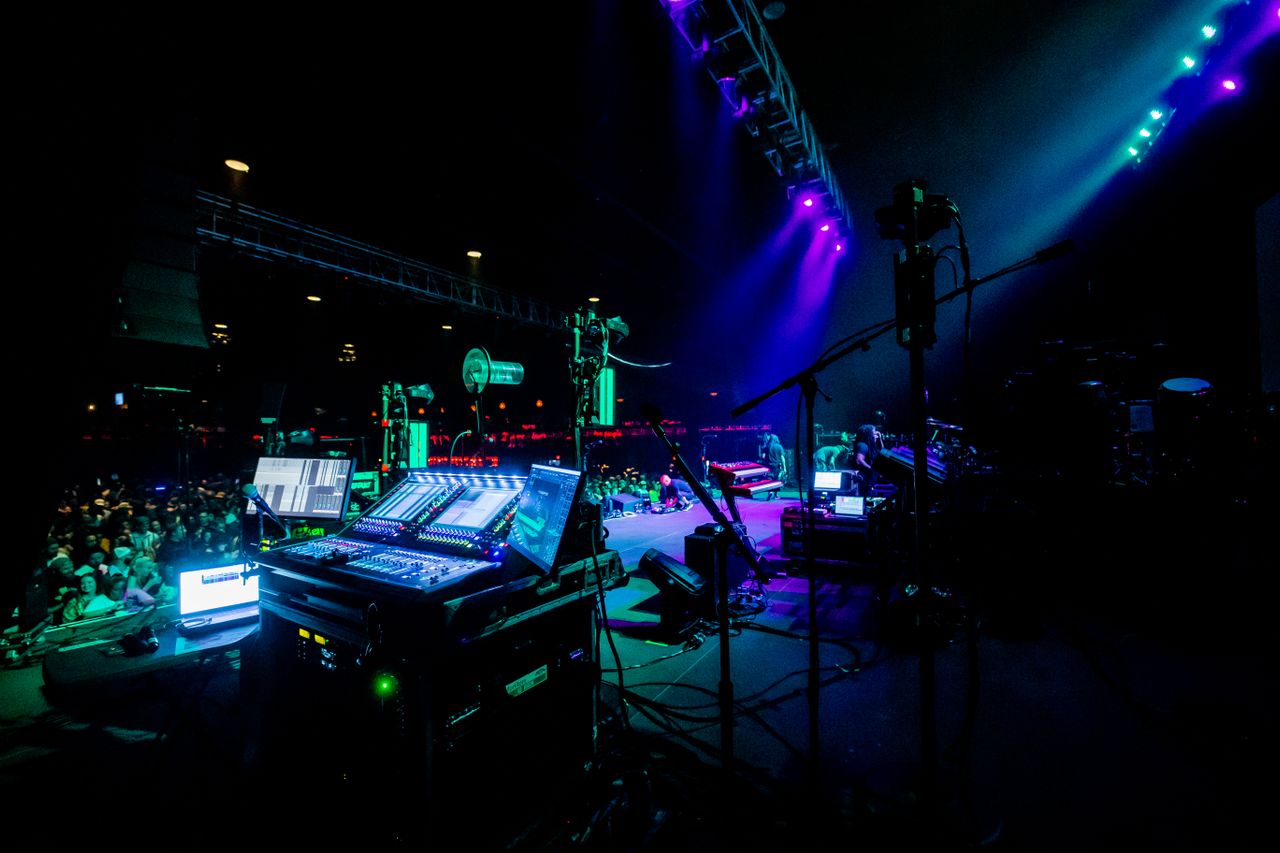
SEG approaches live events from that human point of view. Strong production matters. Good planning matters. Technology matters. Yet the people in the space decide if the event worked.
Brands can buy media. They can buy reach.
Real connection has to be earned.