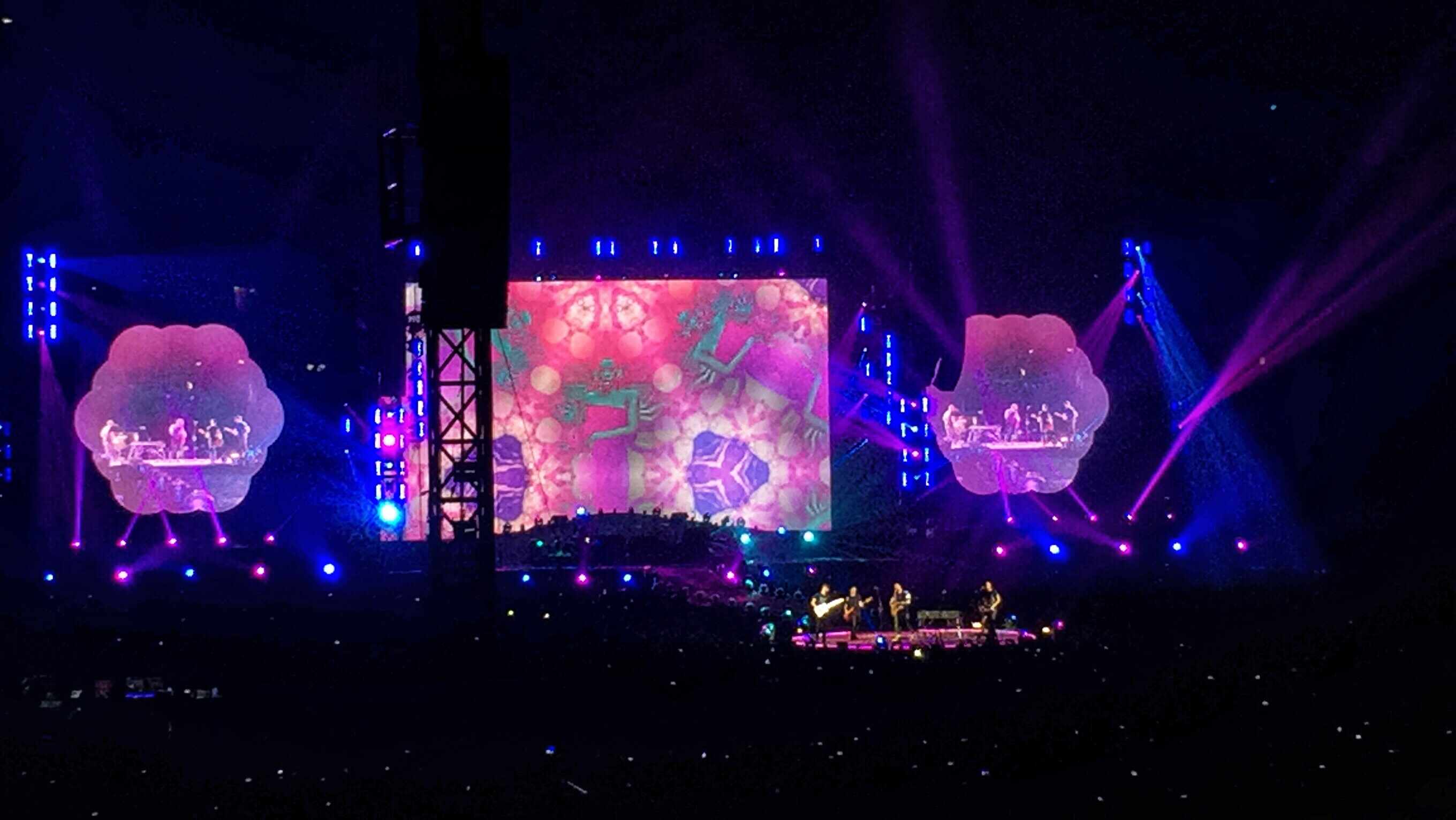
Why Dubai’s Event Sector Is Changing
Dubai’s event sector continues to expand as companies now use live events for product launches and executive programs, while private clients expect a high level of service from the first guest's arrival to the final departure. The work behind those events has become broader. Venue selection links directly to production.
Production affects guest access. Entertainment affects timing. Media crews need access to key moments.
Companies that hire separate suppliers for every discipline often spend a large share of their time managing handoffs. Single-partner delivery answers that pressure in a practical way. The client works with a single lead team that can manage several event disciplines within a single plan.
Decisions move faster because fewer parties need separate briefings. Budgets become easier to read because related costs stay closer together. Responsibility remains visible throughout the project.
What Single-Partner Event Delivery Means
Single-partner event delivery means a client selects an event company to manage venue selection and production, then coordinates access systems and entertainment within the same project plan. The model can also cover media production and ticketing when the event needs them.
Clients still work with specialists. Those specialists follow a single central schedule and a single decision path.
SEG already operates across several parts of this model in Dubai. Its corporate dossier lists venues and event production within the group’s current business system. Digital ticketing and media facilities sit within the same wider portfolio.
That setup gives clients a practical route between creative work and event operations.
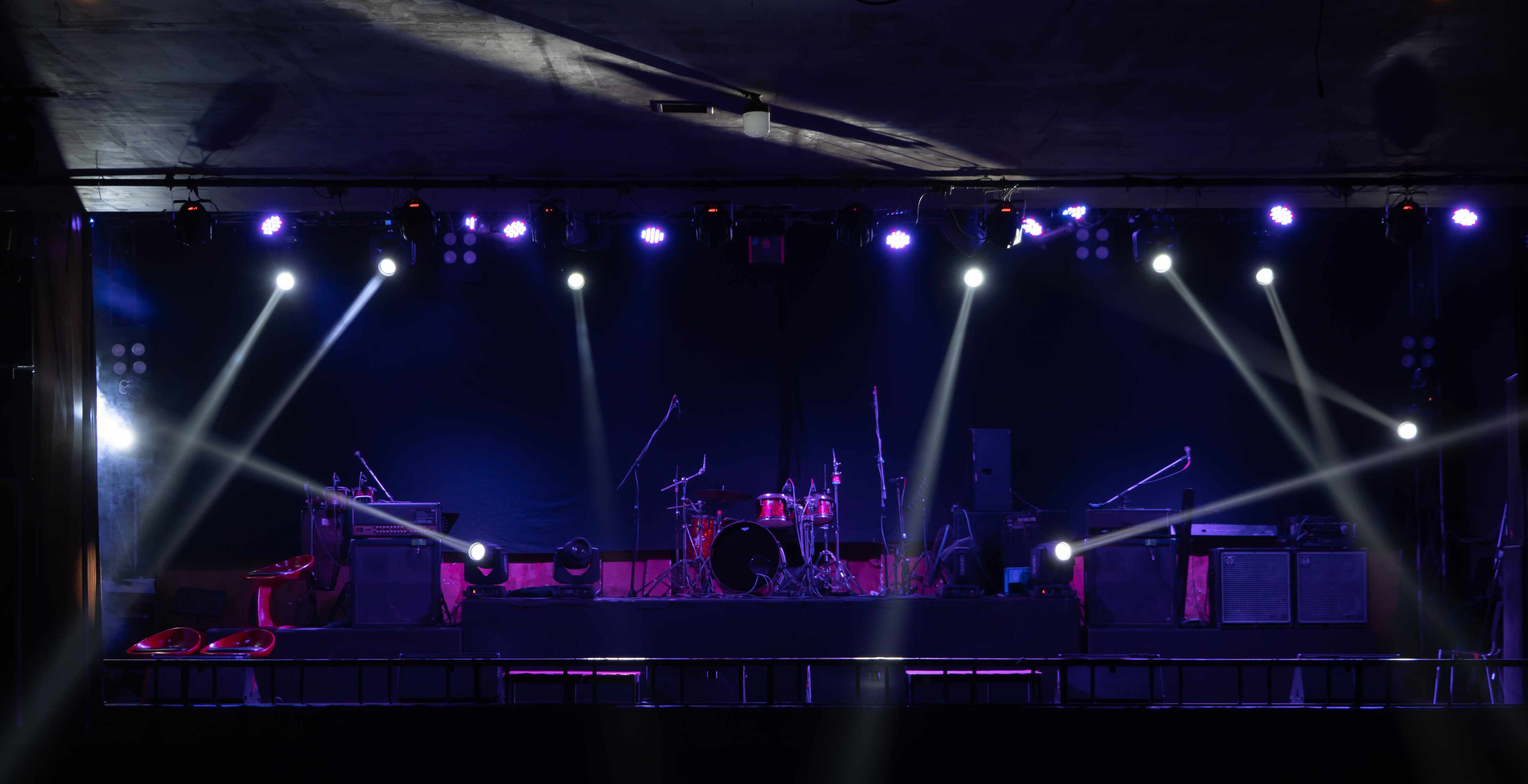
Why Dubai’s Events Industry Is Moving Toward Single-Partner Solutions
Dubai attracts corporate launches and cultural programs that often involve senior guests and media crews. Performers and technical suppliers add further pressure to the schedule.
One late venue decision can affect production costs. A delayed guest list can affect access setup. A new stage cue can affect the timing of entertainment.
Businesses want fewer gaps between those decisions. One lead team can see how a change in one area affects the rest of the plan. That visibility helps clients approve changes faster and gives suppliers a clearer path to decisions.
The appeal is easy to see. Fewer handoffs mean less friction.
The Problem with Managing Multiple Event Vendors
Multiple vendors can work well when one lead team owns the full schedule. Problems often begin when suppliers receive separate instructions from separate client contacts.
One crew may work from an older production file. Another may receive a new guest count. A venue may approve one setup while the technical crew plans another.
Time then moves toward correction. Client teams spend hours checking versions and repeating decisions. Suppliers spend extra time asking for confirmation. Late changes may increase costs because crews need added labor or new equipment.
A central event reduces that pressure. The client keeps one main communication line, while specialist teams receive the information they need through a shared production plan.
How a Single Event System Simplifies Event Planning
Planning becomes easier when venue requirements and production needs are brought into the conversation early. The same applies to entertainment and guest access.
A stage layout can influence seating. Seating can influence ticket categories. Ticket categories can influence entry routes.
Good event planning treats those links as part of one operating view. Teams can schedule rehearsals around setup windows. Access staff can work from the latest guest list. Media crews can plan around the actual stage program.
The client spends less time translating information between suppliers. More time is devoted to guests and business goals.
Venue and Production Should Share One Plan
Venue choice affects almost every technical decision. Ceiling height changes rigging options. Access doors affect load-in. Noise rules affect entertainment. Power capacity affects lighting and audio.
Production crews need those facts early. Entertainment teams need the final technical plan. Venue managers need accurate schedules.
When all parties work from the same plan, event operations become easier to manage.
SEG’s dossier describes Someone’s Event as the production bureau for concerts and corporate launches. Someone’s Stage and Someone’s House cover different venue formats. Someone’s Ticket handles QR access, while Someone’s Studio handles media production.
Clients gain value from the links between those capabilities.

Why Corporate Events Benefit From One Event Partner
Corporate events face business pressure because the audience can include clients and senior leaders. Press teams or investors may join the guest list as well.
Timing matters. Guest treatment matters.
One event partner gives internal teams a clearer reporting line. Marketing can discuss brand requirements with the event lead. Finance can track budget changes through the same team.
Senior management can receive concise updates while supplier calls stay with the event team.
Fast changes become easier to manage, too. A speaker may need a new arrival time. A product demo may need added technical support. One lead team can update the relevant departments and keep the day on course.
Technology’s Role in Dubai’s Modern Event Industry
Digital access and ticketing now sit close to event operations in Dubai. QR entry can reduce check-in time. Digital guest lists can help staff separate media access and VIP entry.
Event teams can also track capacity and update credentials when guest plans change.
Technology works best when it supports the event plan. Access to data can help front-of-house teams. Ticket data can help venue staff. Media crews can use event schedules to plan key recordings.
SEG’s Ticket division provides QR-based entry and digital admission tools across group activities, according to the company dossier.
Why Brand Activations Need Creative and Technical Teams Together
Brand activations often ask guests to interact with a product or content. The creative idea may depend on the use of screens and lighting. The production crew needs to know the brand’s visual rules.
Media crews also need access to key moments.
One planning lead keeps those teams on the same brief. Creative ideas stay realistic because production input arrives early. Technical choices support the brand message. Media teams know which moments merit priority.
The result feels deliberate because the event’s parts support one another.
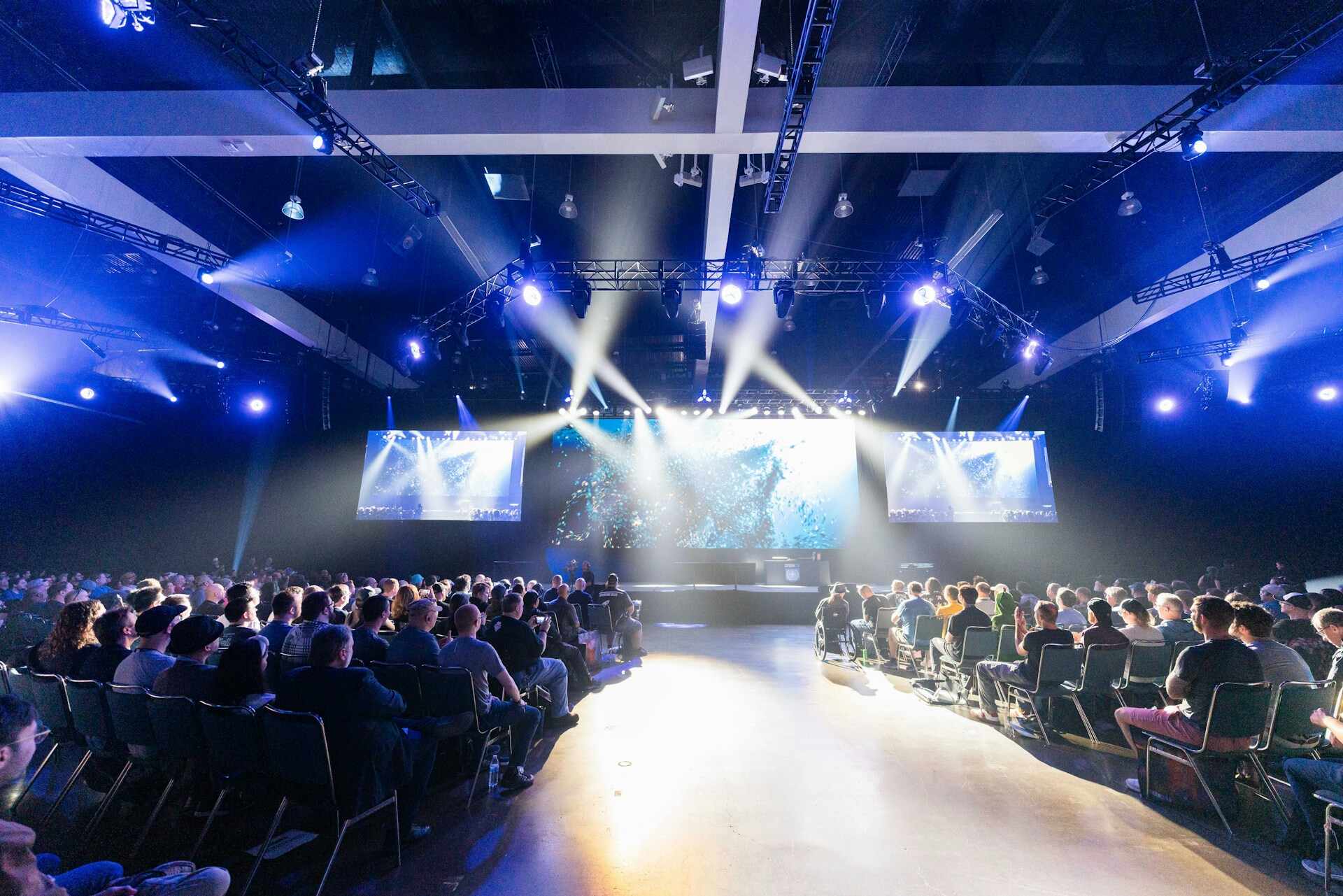
Dubai’s Growing Demand for Full-Scope Event Delivery
Dubai clients increasingly ask event partners to manage a larger share of the project because business teams want accountability, and private clients want less administrative work.
The demand covers venue search and event production. Guest access and entertainment often sit within the same brief.
Full-scope delivery gives clients one commercial relationship for a larger share of the event. That can reduce duplicated work and simplify approvals. It also gives the event company a wider view of the schedule.
For larger programs, that visibility can protect timing and budget.
What to Look for in an Event Solutions Partner
Strong event partners should know venues and production well. They should also know guest access and supplier coordination.
Clients should ask who owns the master schedule and who approves changes. They should ask how the company handles technical revisions and event-day decisions.
Past work matters because operational skill comes from repetition. Clear budgets matter for the same reason. Clients benefit when they can see who owns each task and when decisions are due.
SEG’s current model places venues and production within a single group framework. Ticketing and media add further support.
For Dubai clients, the practical value is clear: fewer handoffs and clearer responsibility.